
Best Custom Cap Factory in Bangladesh: a practical development and supplier selection guide from Jalal Hats & Apparels Ltd. for brands, importers, uniform programmes and promotional headwear buyers.
Published 30 October 2026. A useful factory decision starts with the cap you want to make. This guide connects construction, materials, logo development, sample approvals and bulk order planning so a buyer can compare proposals on a clear basis. It does not present an independent factory ranking or guarantee a particular commercial outcome.
For an overview of general sourcing, read our cap factory sourcing guide. This article focuses specifically on custom development: how to turn a design idea into an approved, documented product and evaluate the factory response at each stage.
Best custom cap factory in Bangladesh: what should you verify?
Use this comparison table to organise a real enquiry. These are evidence questions, not measured scores or verified ratings of particular factories.
| Decision | Useful factory response | Evidence to retain | Avoid this shortcut |
|---|---|---|---|
| Development scope | Describe whether the cap starts from an existing style or new construction | Written scope linked to the brief | Assuming every use of custom means a new pattern |
| Fit | Explain measurements and the proposed sample review | Measurement method and approved reference | Relying only on an adult or one-size label |
| Materials | Identify shell, reinforcement and important components | Swatch and finished sample | Approving an unnamed premium fabric |
| Branding | Review actual artwork on the intended cap | Approved file and decorated sample | Treating a screen mockup as production proof |
| Quantity | Clarify minimum scope and permitted grouping | Confirmed assortment sheet | Combining all colours without confirmation |
| Commercial terms | State inclusions, exclusions and open assumptions | Dated quote and revision reference | Comparing different products by unit price alone |
| Quality | Agree what will be checked and against which standard | Specification and inspection requirements | Inventing a universal quality percentage |
| Claims | Provide evidence relevant to a requirement | Documents with understandable scope | Inferring certification from a photograph |
| Packing | Show how the approved product is protected | Packing reference and unpacking review | Assuming all caps can be compressed equally |
| Reorders | Identify substitutions before they are incorporated | Current change list and approval record | Assuming a repeat name guarantees identical materials |
1. Define best around your custom cap project
The best custom cap factory in Bangladesh for a particular buyer is the one that can meet a clearly defined product brief on confirmed terms. A factory that suits a simple promotional cap may not be the right fit for a collection requiring a new silhouette, several materials and detailed branding. Begin with the project rather than a universal ranking.
Write a short statement describing the wearer, purpose, desired appearance and essential features. Explain which decisions are fixed and which can be discussed. This gives a sample team useful direction and helps purchasing colleagues evaluate alternatives consistently. A photograph can support the brief, but it should not be expected to communicate measurements, internal construction or every component.
This guide is published by Jalal Hats & Apparels Ltd. It is a company resource, not an independent league table or a verified claim that one business outranks every competitor. Use the checks below to assess a proposed custom development. Current capabilities, commercial conditions and production feasibility should be confirmed for the actual order before the buyer proceeds.
2. Distinguish original development from a standard style
Custom can mean different things in a supplier conversation. Adding embroidery to an existing cap is different from developing a pattern around a new shape. A project may fall between those routes by adapting selected details of an established construction. Describe the intended scope so the quotation and sample plan address the right work.
If the silhouette is essential to your brand, supply the reference views and explain which proportions matter. If an existing fit is acceptable, say so and identify the changes you require. Ask the manufacturer to describe its proposed starting point. This makes it easier to recognise whether the offer provides the control you need or only a convenient approximation.
Keep the agreed development scope in writing. A supplier should not have to infer whether a closure in a reference image is mandatory or incidental. Similarly, a buyer should not assume a new pattern is included when the proposal describes decoration of a standard style. Clear scope prevents an early price discussion from creating expectations that the actual development route does not support.
3. Prepare a design brief that a sample team can use
A practical custom cap brief combines pictures with written instructions. Include front, side, back and internal views where available, along with a description of the intended fit, materials, colours and branding. Mark anything unresolved rather than filling the document with guesses. The sample team can then ask relevant questions before beginning work.
Identify the essential details directly on a drawing. These may include crown height, panel arrangement, visor shape, closure and logo position. Use a style code and revision date, and keep artwork references consistent across documents. If several people contribute comments, consolidate them into one current version before sending instructions that could conflict.
Our custom cap tech pack guide explains how to organise the supporting record. The purpose is clarity, not a complicated document for its own sake. A brief that identifies the product and open decisions is more useful than a polished presentation that omits practical specifications. Keep approved changes traceable so later sampling and inspection refer to the same intended cap.
4. Choose the product family before refining details
Select the type of cap that fits the intended programme. Baseball caps, trucker hats, dad hats, snapbacks and other headwear families provide starting points, but each still needs its own construction and fit decisions. Do not treat category names as complete technical specifications or assume all products in one category share identical proportions.
Explore our baseball cap, trucker hat and snapback cap pages for relevant enquiries. Share the specific features you want and ask for current feasibility. A product page or photograph does not establish ready stock, a fixed price or a current manufacturing slot.
For a new collection, separate core styles from later concepts. Several unrelated silhouettes can make a first development harder to review and quote. A focused starting range may simplify the discussion, but any effect on minimum quantities needs confirmation. Choose deliberately and retain separate style records, so approval of one family does not accidentally become approval of a different pattern or material combination.
5. Specify panel arrangement and crown support separately
Panel count describes pieces forming the crown, while structure concerns additional support and the intended crown behaviour. These are separate decisions. A five panel request does not automatically define reinforcement, and an unstructured request does not establish crown depth. Ask for a labelled drawing and internal photographs where the reference does not make the construction clear.
Our five panel versus six panel guide and structured versus unstructured guide explain the distinction. Use them to prepare questions rather than assume a universal superior construction. The relevant choice depends on your desired silhouette, artwork and wearing requirements.
During sampling, change variables deliberately. If a revised cap feels different after both fabric and reinforcement have changed, it may be difficult to identify the cause. Record each revision and compare the physical versions. That discipline helps a manufacturer understand the buyer’s feedback and gives purchasing colleagues a clearer explanation of why a particular construction was finally approved for bulk production.
6. Develop fit using measurements and wearing feedback
An adjustable circumference is not a complete fit specification. Crown depth, front height, opening shape and internal components also influence how a cap sits. Define the intended wearer and request a measurement method that can be repeated. A size label such as adult does not answer every question about the product’s proportions.
Measure the sample at an agreed reference setting and document the points used. Review the cap on relevant wearers where practical. Collect specific feedback about pressure, movement, looseness or coverage instead of a general statement that one sample is better. A small wearing review supports the project; it should not become a universal comfort claim.
Our cap size and fit guide offers a practical framework. Keep the approved fit reference throughout development and reconsider the approval when meaningful materials or components change. Two caps with similar dimensions on paper may behave differently when assembled. The best custom development process connects measurements with a representative sample and clear observations about the intended wearing experience.
7. Approve fabric based on the finished cap
The shell fabric contributes to shape, feel and decoration appearance. A broad fibre description does not explain every relevant characteristic, and two materials with similar colour can still behave differently. Ask what fabric is proposed and retain a reference that identifies the actual material being approved for the project.
Where a physical swatch is used, connect it to the finished sample and review the combination with reinforcement, visor and decoration. If a substitute is suggested, ask what changes and why. Do not accept an alternative solely because it makes procurement easier. Its appearance and suitability still need to match the brief or be approved as a deliberate revision.
Our cap fabric selection guide helps organise this discussion. Avoid publishing performance or sustainability claims from a general material name alone. If a specific finish, composition or certification matters, request supporting evidence relevant to the actual material and its scope. The commercial proposal should remain linked to that approved specification rather than an unnamed fabric described only as premium.
8. Control colours across shell and components
A custom cap can contain several visible colour decisions: shell panels, visor top, underside, button, eyelets, closure, thread and decoration. State which parts should match and which should contrast. A brief that says navy and white may leave several possible combinations, especially when the reference image is photographed under different lighting.
Use an agreed colour reference and approve physical materials where appropriate. If an available shade is proposed instead of a specially developed match, identify it as an alternative. Decide whether it is acceptable for the brand and record that decision. Similar screen appearance is not proof that different materials will coordinate as intended in the finished product.
For multiple colourways, use a labelled colour map and separate identifiers. Keep the construction revision distinct from the colourway code so a colour change does not reopen an approved pattern unintentionally. Ask the manufacturer to flag proposed substitutions before incorporating them. Clear records make later inspection more useful because the reviewer knows the actual approved target rather than a general colour name remembered from an early conversation.
9. Make artwork placement a production decision
Artwork that looks balanced in a digital mockup may appear differently on a curved crown. Seams, reinforcement, fabric and the distance from the visor influence practical placement. Send the intended finished dimensions and ask for a proposed application area on the actual cap. Avoid copying a maximum logo size from an unrelated product.
Review the decorated sample from a square front view and while worn or supported naturally. Check whether the logo aligns with the visor and crown centre, and whether the surrounding fabric behaves as intended. For detailed designs, inspect small text and outlines rather than judge only the overall impression. Ask for recommended adjustments before changing the identity of the artwork.
Keep the approved file and placement reference with the cap revision. If the construction or material changes later, confirm whether the application needs another trial. Clear artwork control helps distinguish a design decision from a production deviation. It also prevents a factory from reproducing an obsolete logo simply because that file remained attached to an earlier quotation or sample request.
10. Compare embroidery, patches and print through samples
Decoration methods should be selected for the intended result and actual construction. Embroidery, patches, prints and transfers create different effects and may involve different development requirements. Neither a structured front nor a particular fabric automatically guarantees every method will work. Ask for a representative application trial rather than rely on a generic compatibility statement.
For embroidery, inspect lettering, outlines and the material around the stitching. For patches, check dimensions, edges, attachment and how the crown sits around the application. For print or transfers, discuss the proposed finish and suitable care guidance. Any performance requirement should be communicated before costing and supported with appropriate project-specific evidence.
Our embroidered caps guide provides related questions. Compare the complete decorated product, not just an application price. A cheaper method may produce a different visual effect or require a material change. Approve that difference deliberately and retain the reference sample. Specific feedback on legibility, alignment or fabric distortion is more actionable than a request to make everything look more expensive.
11. Review closures and internal finishing
A custom cap is more than its front photograph. The closure, sweatband, seam tapes and labels contribute to the complete product and can affect how it feels or fits. Specify the intended closure type, colour and relevant adjustment requirements. Ask for internal views and inspect the sample where components meet around the back opening.
Check operation and visible finishing as part of the sample review. Record rough edges, awkward placement or other concerns precisely. Do not turn a short handling check into an unsupported durability claim. If the programme requires a formal test or specialist evaluation, share that requirement before the product is quoted and developed.
Approve components with the complete cap rather than in isolation. A replacement sweatband or closure may affect fit even when the silhouette appears unchanged. Keep the final component references in the specification and ask the supplier to identify substitutions before production. This makes a reorder easier to review and prevents a familiar style name from hiding a different internal construction or wearing experience.
12. Clarify custom MOQ and assortment splits
Minimum order conditions need a defined scope. A supplier may discuss quantities per style, colour, logo or another grouping. The total across an assortment does not automatically satisfy each condition. Prepare a quantity matrix showing every relevant variation and ask which rows can be considered together under the proposed offer.
Include size and artwork versions where they differ. If the first range is heavily fragmented, ask which specific changes could make the proposal more practical. Fewer colourways or an available component may be worth discussing, but an exception should never be assumed. Any alternative must still meet the product brief and receive the necessary approval.
Our custom cap MOQ guide develops these questions further. This article does not state a fixed Jalal minimum, universal discount or guaranteed small-order arrangement. Request current terms for the actual specification. Keep that answer beside the quantity sheet so a later assortment revision can be checked against the commercial basis rather than rely on a general number recalled from an earlier discussion.
13. Use a staged sample approval process
Sampling should resolve defined questions in a sensible sequence. Start with shape and fit if those are uncertain, then assess the intended materials and decoration together. Identify any placeholder parts and explain what the sample cannot confirm. A development version using available components should not be treated as evidence that all final custom parts are already approved or obtainable.
Label each sample by style, colourway and revision. Record whether it is approved, rejected or approved with specified changes. Attach comments to relevant photographs and identify the next action. Avoid combining a fit approval from one version with branding from another without documenting the intended final combination.
Our sample approval guide supports this record. Keep a final physical reference where practical and ensure commercial documents point to the same revision. Sampling does not replace inspection, but it gives inspection a clearer standard. A well-managed sequence also allows a new colleague to understand the decisions without reconstructing several conflicting messages and unlabelled pictures from the development conversation.
14. Ask for quotations on the same product basis
A useful custom factory comparison holds important assumptions constant. Request the same construction, fabric, decoration, quantity breakdown, components and packing wherever practical. If a supplier proposes an alternative, show the difference explicitly. A lower price may reflect a simpler product or an excluded service rather than a better offer for an equivalent cap.
Ask which development or artwork charges are separate and which details remain subject to approval. Retain the quote date, brief revision and sample reference. If the specification changes, ask whether the proposal needs to be revised. Do not treat an early estimate based on incomplete information as a final commitment to a more elaborate later design.
Compare complete proposals in a small working sheet. Identify unresolved points before choosing a supplier and seek clarification where delivery scope differs. This article does not publish factory prices, landed costs or guaranteed savings. Current project terms must come from the actual offer. Clear comparisons help a buyer explain why an option was selected without relying solely on the smallest number in a quotation.
15. Check evidence behind factory claims
Company information and a relevant portfolio can support initial research, but they do not prove every production claim. Ask focused questions about the proposed development and manufacturing arrangement. Identify who is responsible for the work and request evidence relevant to requirements that materially affect the order. Avoid inferring capacity or certification from a photograph alone.
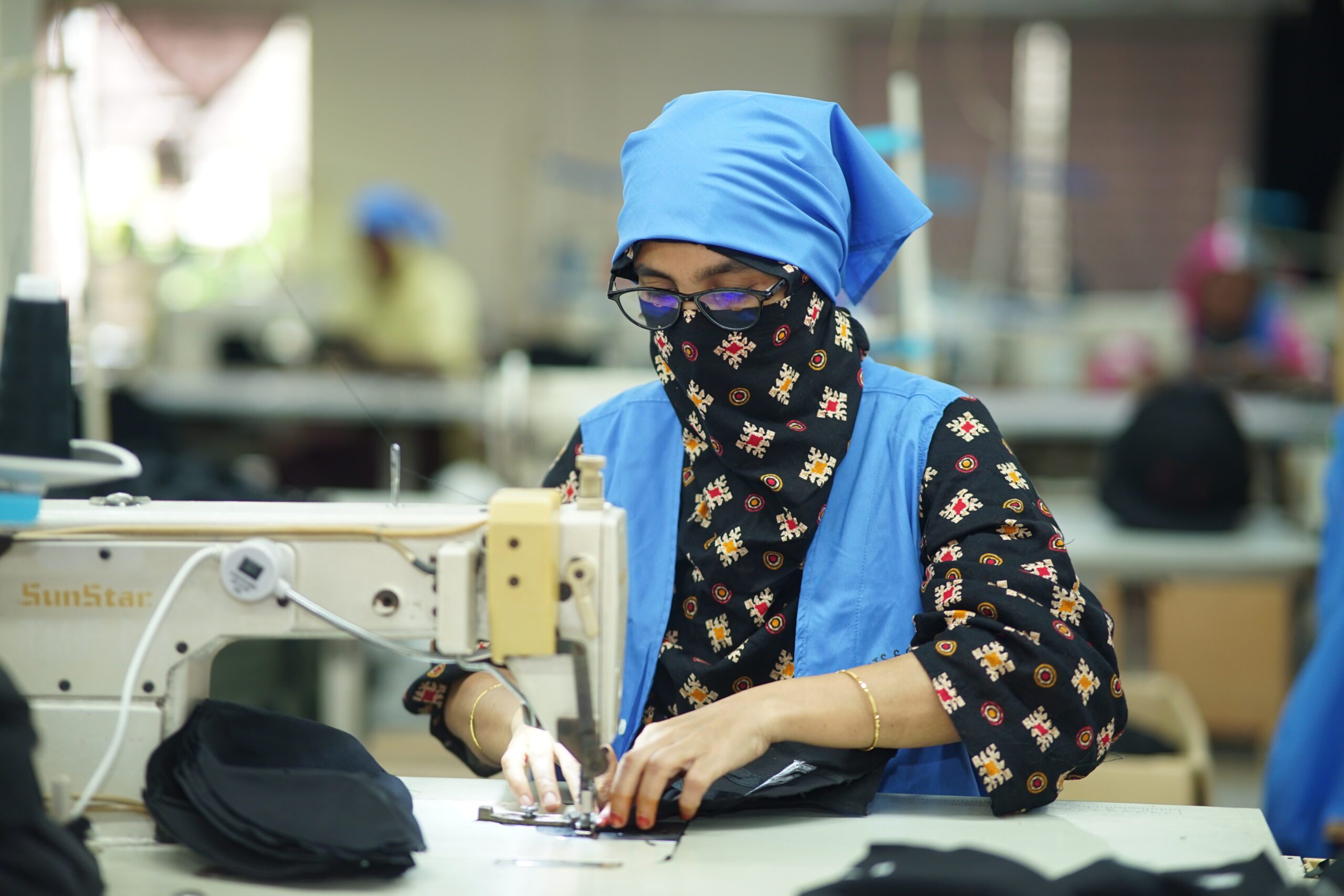
For Jalal background, review the company information page and discuss the specific project with the team. The real company images included below provide context; they are not independent verification of a current production slot, a measured defect rate or a particular certification. Keep each claim within the scope of the evidence available.
If a certificate or special material claim is essential, request the current document and clarify which organisation, facility, process or product it covers. Do not assume a logo establishes coverage of the entire order. A transparent evidence record helps the buyer distinguish confirmed requirements from open questions and prevents marketing language from becoming an unsupported technical specification.
16. Plan quality checks before bulk production
Agree quality expectations before production begins. The approved construction, measurements, materials, colours, decoration and components should form a usable reference. Define the inspection approach your organisation needs and share it with the supplier. A broad request for export quality is less helpful than a clear description of the product and how it will be reviewed.
If a formal sampling plan or defect classification is required, communicate it explicitly. Avoid inventing a universal acceptable defect percentage for every cap programme. The relevant approach depends on the product requirements and purchase agreement. Identify what evidence will be retained and how unresolved findings will be discussed before the delivery decision is made.
Our cap quality control checklist provides practical review points. Inspect internal finishing as well as the visible front, and separate construction issues from decoration or packing issues. Clear photographs and references to the specification make corrective discussions more focused. The objective is evidence that supports a decision, not an impressive checklist that never connects to the actual approved cap.
17. Protect the approved product with suitable packing
A cap can meet its appearance requirements at approval and still need careful packing to preserve that presentation. Discuss the crown, visor and decoration together when reviewing how items will be nested or protected. A soft crown does not mean every decorated cap can be tightly compressed without affecting another component.
Request a representative packing reference where practical and inspect the product after unpacking. Look for unwanted changes to shape or decoration and record any specific instructions that matter. This practical review is not a guarantee of performance under every transport condition. It is a way to identify avoidable issues and establish the intended arrangement.
Our cap packaging guide explains related decisions. Include style and colourway identifiers so receiving staff can locate the correct items without unnecessary handling. If a change is proposed later to simplify packing, assess it against the product and commercial agreement. Keep the approved arrangement with the specification so production, dispatch and receiving teams refer to the same instructions.
18. Confirm delivery assumptions and reorder control
The quotation should make its delivery scope understandable. State the intended destination and any required delivery groups during the enquiry, and ask what is included in the offer. Do not assume a unit price covers every transport or receiving requirement. Current logistics details need project-specific confirmation and appropriate specialist support where necessary.
For reorders, provide the original style reference and a clear change list. Ask whether materials and components remain available and whether proposed substitutions require another sample. A repeat order is not automatically identical merely because the panel count, logo or colour name has remained unchanged. Keep the current specification and quotation aligned.
Our custom cap order checklist helps connect these stages. This guide does not establish guaranteed lead times, freight rates or destination charges. Ask for current feasibility before promising dates to your own customers. Clear records make the handover from development to purchasing more dependable and allow later questions to be resolved against the actual approval rather than an informal memory of the first order.
Illustrative example: developing a branded retail cap
Consider a hypothetical buyer planning a retail cap with a defined front silhouette, an embroidered logo and two colourways. This is a process example, not a Jalal client case, quotation or report of actual production. The buyer begins with references and an initial quantity sheet, then asks which construction and materials the manufacturer proposes.
The first sample review reveals that the crown sits deeper than intended. The buyer identifies the fit issue with measurements and wearing photographs rather than requesting a completely different style without explanation. The next version is reviewed against the same method. Once the shape is acceptable, the intended fabric, reinforcement and logo are evaluated together.
Suppose the logo’s smallest lettering is difficult to read. The buyer and sample team discuss an artwork adjustment and approve a new file with a distinct revision. The final cap record links that file to the selected construction and both colourways. Packing instructions and inspection expectations are confirmed before the product is treated as ready for bulk release.
The lesson is that factory selection and product development are connected. A useful response resolves the buyer’s actual questions and keeps decisions traceable. The example does not imply that every project needs the same number of samples or that a particular result is guaranteed. The appropriate sequence depends on the product and the agreed development scope.
| Stage | Buyer decision | Record |
|---|---|---|
| Initial enquiry | What is fixed and what remains flexible? | Brief and quantity matrix |
| Construction review | Does the fit and shape meet the intended use? | Measurement sheet and sample revision |
| Branding review | Is the actual decoration acceptable? | Artwork file and decorated reference |
| Bulk preparation | Are terms, inspection and packing understood? | Current quotation and approval record |
Manufacturer references and the limits of this guide
The Flexfit wholesale services page and its 2024 programme catalogue provide external examples of distinct blank and custom service routes. They help illustrate why the scope of a proposal matters. They do not establish current Jalal terms, common ownership, brand affiliation or shared manufacturing.
The practical checks here are general buying guidance rather than a controlled study or a survey of all Bangladesh factories. No production capacity, defect rate, universal discount or independent award is claimed. For a requirement that affects your product approval, ask for current evidence with a clear scope and retain it with the project record.
Real Factory Images and Related Products

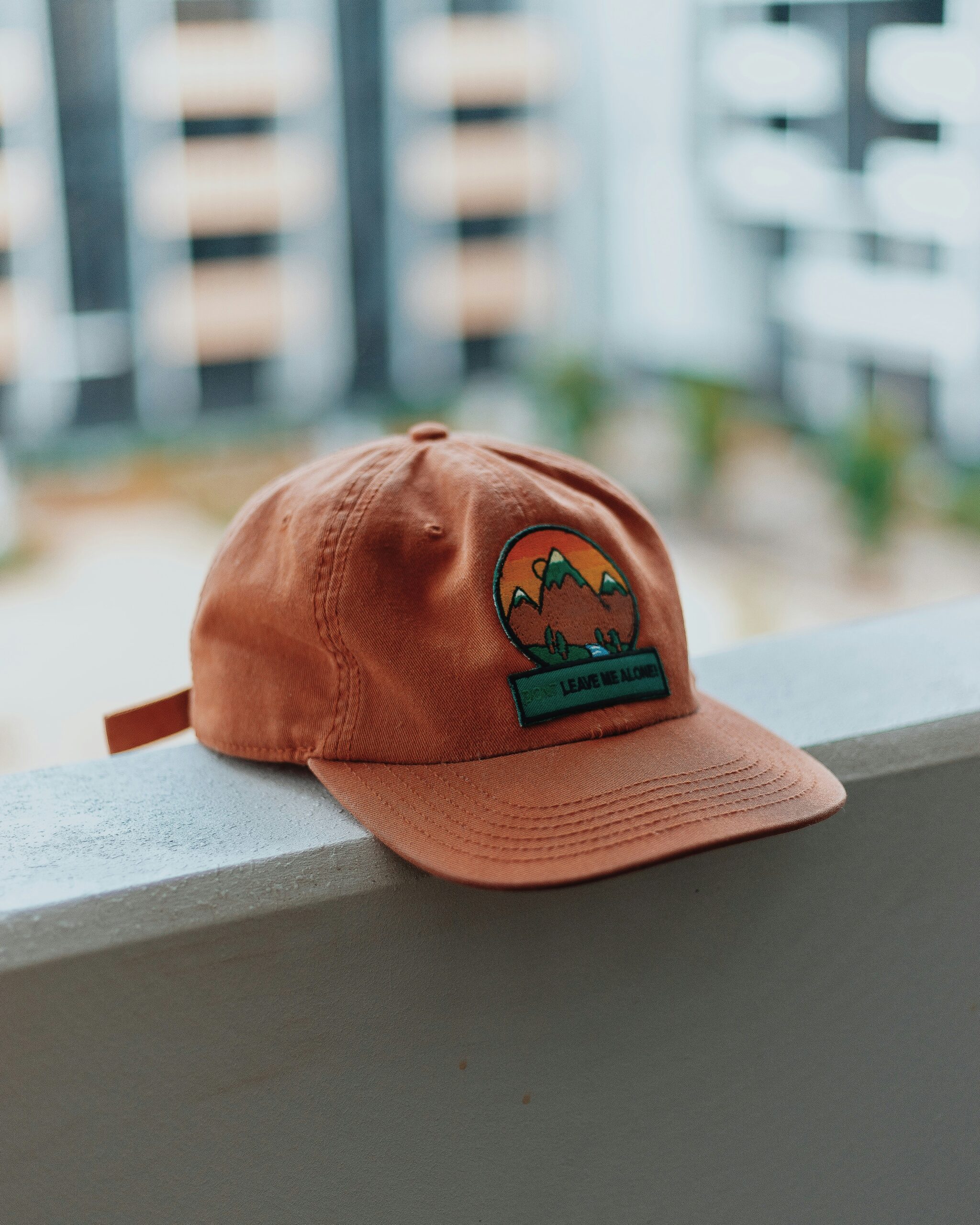
Dad Hats
Discuss your required silhouette, materials and custom branding with our team.
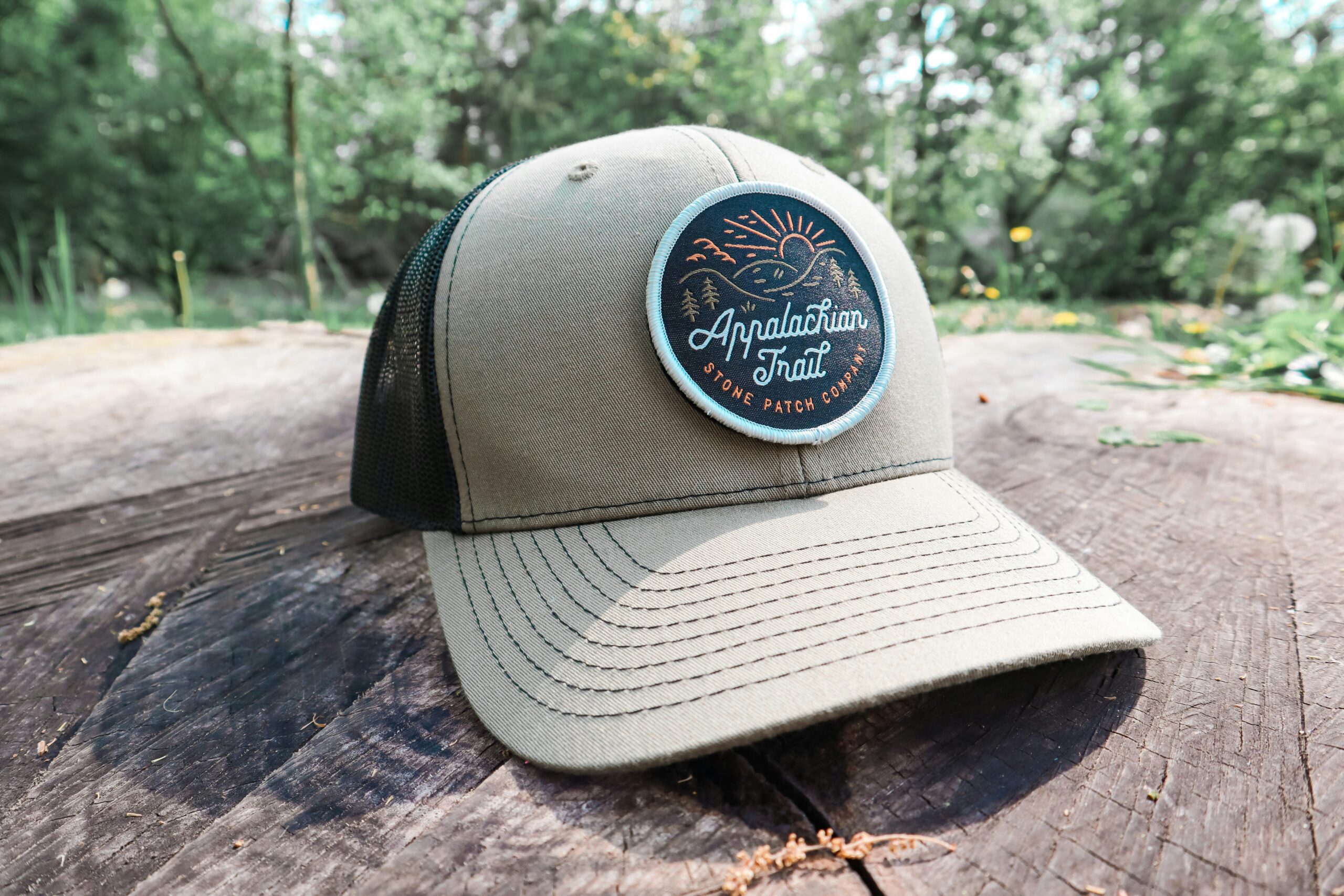
Trucker Hats
Discuss your required silhouette, materials and custom branding with our team.
Also explore baseball caps, snapback caps, bucket hats and visor caps.
Frequently asked questions about the best custom cap factory in Bangladesh
How do I find the best custom cap factory in Bangladesh?
Start with a defined product brief, then compare the factory’s response, representative samples, commercial terms and evidence relevant to your requirements. The right choice depends on construction, fit, decoration and order needs. This company-published guide is not an independent ranking and does not establish a universal best factory for every buyer.
Can Jalal Hats develop caps with my own logo?
Share the actual artwork, intended size, placement and cap specification with the team and request confirmation of feasibility. Discuss the proposed decoration method and approve a representative sample before production. A general product image does not confirm every logo application, current commercial condition or the suitability of a particular artwork and material combination.
What is the difference between custom caps and decorated blanks?
Decorated blanks use an existing cap as the starting product, while custom development may involve changing construction, materials, fit or other specifications. Some projects adapt only selected details. Ask the supplier to describe the actual route and what is included, so a quotation for a standard style is not mistaken for complete original development.
What information should a custom cap brief include?
Include reference views, panel arrangement, crown support, fit measurements, fabric, colours, visor, closure, internal components, artwork, quantities and packing expectations. Mark uncertain decisions clearly. Use style codes and revision dates so sample comments, approved files and commercial documents all refer to the same intended product instead of several conflicting versions.
What is Jalal Hats’ minimum order quantity?
This article does not publish a fixed minimum. Send the specification and quantity breakdown and ask for current project terms. Confirm whether any condition applies per style, colour, size, logo or another grouping. A total across an assortment does not automatically satisfy every requirement, and an illustrative quantity is not a company commitment.
Which cap construction is best for embroidery?
There is no universal answer based only on panel count or crown structure. Artwork, seams, fabric, reinforcement and the decoration process all matter. Request a trial on the intended cap and inspect the visible result and surrounding material. Keep the approved artwork and sample reference linked to the final construction revision.
How much does custom cap production cost?
Request a current written quotation for your actual specification and quantities. Compare equivalent construction, materials, decoration, components, packing and delivery scope. Identify separate development charges and unresolved assumptions. This guide does not provide factory prices or guaranteed savings because an isolated unit price cannot describe every possible custom product or commercial arrangement.
How long does a custom cap order take?
Ask the supplier for current feasibility after sharing the complete brief and intended schedule. Sampling revisions, approvals, material availability and the agreed scope can affect planning. This article does not promise fixed production or delivery times. Reconfirm timing when meaningful specifications or requirements change before making commitments to your own customers.
Do company photographs prove certification or capacity?
No. The images provide company and headwear context from the website media collection. They are not independent evidence of a current production slot, measured performance or certification coverage. Request relevant supporting documents and clarify their scope wherever a claim affects your decision. Keep that evidence with the approved product and purchasing record.
How should I approve a cap before bulk production?
Review the complete proposed product against a written specification and record the sample revision, artwork, materials, fit and required changes. Identify placeholder components and unresolved questions. Retain a physical reference where practical and agree the inspection approach. A simple message saying approved is less useful if it does not identify which version and combination were accepted.
Discuss your custom cap brief with Jalal Hats
Contact Jalal Hats & Apparels Ltd. with the design references, construction preferences, artwork and quantities. Ask the team to confirm current feasibility, applicable minimums, sample scope and quotation assumptions. Identify your essential requirements so any alternative can be evaluated deliberately.
Explore our dad hats, bucket hats and visor caps for related enquiries. Category pages provide starting points; the final decision should use the actual agreed specification and representative sample. Keep those approvals connected to the order so development, production review and reorders share a clear product reference.