
Custom Cap MOQ Explained: a practical planning guide from Jalal Hats & Apparels Ltd. for brands, importers, uniform buyers and promotional headwear programmes.
Published 25 October 2026. Learn how to ask useful quantity questions, organise colourways and compare quotations. This guide does not publish a fixed Jalal minimum or price. Confirm current project-specific terms directly with the company before making a purchasing commitment.
Custom cap MOQ: what to confirm in a quotation
This is a buyer decision table, not a list of factory minimums. Use it to check the scope and assumptions of an actual proposal.
| Quantity question | Ask the supplier | Prepare this information | Common misunderstanding |
|---|---|---|---|
| Total order | Whether one overall purchase quantity is acceptable | Complete assortment sheet | Assuming total pieces satisfy every other minimum |
| Per style | Which constructions can be grouped | Separate style codes and references | Combining different patterns without confirmation |
| Per colour | Whether each colour has its own condition | Colourway quantities and references | Using the total instead of the colour split |
| Per logo | How artwork versions and placements are treated | Actual artwork and quantities | Leaving logo splits until after quotation |
| Per size | How fitted sizes or fit ranges affect terms | Size breakdown and fit requirements | Assuming all sizes share identical conditions |
| Material | Whether available or newly sourced fabric is proposed | Fabric reference and required finish | Treating similar colours as identical materials |
| Components | Whether special labels or closures add conditions | Component specification and artwork | Ignoring separate sourcing needs |
| Sample | What development is included | Sample purpose and approval sequence | Confusing a sample with a bulk commitment |
| Reorder | Whether current repeat terms differ | Original style reference and change list | Assuming a previous minimum still applies |
| Packing | Whether variations or special presentation add conditions | Packing brief and delivery groups | Comparing quotes with different inclusions |
1. Understand what a custom cap MOQ actually means
MOQ means minimum order quantity: the smallest quantity a supplier agrees to accept under a particular offer. For custom caps, that definition needs a scope. A minimum may apply to an entire order, one construction, one fabric colour, one logo or one size. An isolated number is therefore not a complete purchasing condition. Ask what the number covers before deciding whether your enquiry qualifies.
Write the answer into the quotation record. If a minimum applies per style and per colour, a total spread across many colours may not satisfy it. If decoration has its own condition, the cap quantity alone may not settle the issue. A clear explanation allows the buyer to compare realistic options rather than assume all suppliers use the same meaning.
This guide does not announce a fixed Jalal Hats minimum. Current project terms must be confirmed directly with the company. Use the questions below to prepare a complete enquiry and understand the proposed basis. A well-defined minimum helps both parties discuss the same product, quantities and commercial assumptions from the beginning.
2. Separate custom manufacturing from decorating blanks
A cap made to a new specification and an existing blank cap receiving a logo are different buying routes. An available blank may already have its pattern, materials, colours and components established. A custom manufacturing enquiry may require those decisions to be developed specifically for the buyer. Comparing their minimums without describing the route can produce misleading expectations.
State whether you need an existing style decorated or a cap developed around your own construction. If you are open to either approach, ask for separate proposals and identify the differences. Do not assume a blank range is available from a particular manufacturer without confirmation. Likewise, do not treat a supplier’s overseas manufacturing conditions as the terms for every service it offers.
Review the amount of control you actually need. A launch may depend on a distinctive fit, while a short promotional programme may prioritise a simpler specification. The right route is the one that meets the brief on acceptable terms. Record what can be changed and what remains fixed, then compare the complete product rather than choosing solely from the lowest advertised quantity.
3. Define style, colourway and SKU clearly
Buyers and suppliers may use style and SKU differently, so describe your assortment in a small quantity sheet. A style can identify a shared construction, while a colourway identifies its colour combination. An SKU may distinguish a particular sellable variation, including size where relevant. Your supplier’s quotation may group these differently, which is why the actual conditions need clarification.
Use a separate row for each requested variation. Include a style code, shell colour, logo version, size or adjustment type and quantity. If two rows share the same construction but use different materials, make that visible. The factory can then explain which rows can be considered together and which require separate treatment.
Avoid combining quantities verbally and assuming they count toward one minimum. Ask for written confirmation of any permitted grouping. A clear assortment sheet also helps later sampling, labelling and receiving. It reduces the risk that a purchasing decision approved for one variation is incorrectly applied to another. Keep the quantity sheet revision aligned with the artwork and specification so the quote describes the assortment you actually intend to buy.
4. Distinguish order minimums from colour minimums
A supplier may discuss a total order quantity and a separate condition for each colour. These are different restrictions, and satisfying one does not automatically satisfy the other. The reason may relate to material procurement or how the proposed product is organised. Ask the supplier to explain the relevant condition for your actual specification rather than guessing from a general industry rule.
For example, an assortment with a reasonable total may still be heavily fragmented across colours. The useful question is whether those individual colour quantities are acceptable under the offered programme. If they are not, ask what alternatives exist: fewer colours, a different available material or a revised assortment. Any alternative needs confirmation rather than an assumed exception.
Record colour references precisely. A standard available colour and a specially developed shade may involve different sourcing requirements. Do not reduce the conversation to a colour name such as blue when the brief requires a particular match. The buyer should understand both the desired appearance and the procurement assumptions before approving quantities or promising a collection launch to customers.
5. Ask how fabric sourcing affects the proposal
The shell fabric is one possible source of quantity constraints. A supplier may be able to use an available material for one enquiry while another requires new procurement or a specific finish. That does not establish a universal minimum for every cap. It means the quoted condition should be connected to the proposed material and confirmed for the current project.
Request identification of the fabric offered and whether it is an approved available option or a material requiring separate development. If an alternative is suggested to make the order more practical, compare its appearance and suitability rather than accepting it only because the quantity is easier. Similar colour in a photograph is not a complete material match.
Our cap fabric selection guide can help prepare the material discussion. Keep the fabric approval with the cap revision. If the material changes after quotation, ask whether price, minimums or sampling assumptions also change. This keeps the commercial discussion tied to a real specification instead of an attractive number that no longer describes the product being developed.
6. Review custom colours and material substitutions
A special colour request should identify the intended matching reference and the approval process. Ask whether the manufacturer proposes a stock shade, a new material order or another route. Different options may create different commercial conditions. A general request for a low minimum does not explain how close a colour match must be or which alternatives the brand will accept.
If a supplier offers a nearby available shade, evaluate a physical reference where practical. Decide whether the difference is acceptable for the collection and record the decision. Do not label an approximation as an exact match. If several components must coordinate, include the visor, closure, eyelets, button and internal elements that matter to the design.
Colour simplification can be a useful discussion point, but it should preserve the purpose of the product. A uniform programme may need an agreed identity colour, while a retail experiment may allow more flexibility. Explain those priorities openly. The supplier can then propose relevant alternatives, and the buyer can make a deliberate trade-off rather than discovering an unwanted substitution after the order is confirmed.
7. Identify component minimums separately
Labels, buckles, closures, patches and other special components may introduce conditions that differ from the finished cap minimum. A supplier’s willingness to make a small number of caps does not automatically mean every custom accessory can be sourced in the same quantity. Ask which components are available options and which need separate procurement.
Include component requirements in the first enquiry. An omitted custom label discovered after costing can reopen the commercial proposal. State artwork, dimensions, material preferences and placement where known. If details are unresolved, mark them as unresolved rather than allowing the quotation to appear final. The goal is a transparent estimate with clear assumptions.
Discuss what happens if a component order exceeds immediate cap requirements. Do not assume unused items will be stored, owned by the buyer or available indefinitely. Any arrangement concerning remaining materials should be agreed explicitly. A practical component alternative may simplify an initial order, but approve its appearance and function first. Keep that choice in the specification so a later reorder does not unintentionally restore a more complex component.
8. Clarify how logos and decoration divide quantities
One cap colour with several different logos may be a different production proposition from one logo repeated across the whole quantity. Decoration placement, artwork size, application method and colour changes can affect the quote. Ask whether the minimum is counted per logo, per application or under another stated condition. Do not assume every cap in the order contributes equally to every decoration requirement.
Send the actual artwork or a clear draft when requesting guidance. A description such as simple embroidery is too vague to establish all production assumptions. Identify front, side and back applications separately. If different departments need different marks, show the quantities for each version instead of leaving the split until after approval.
For related planning, read our embroidered cap sourcing guide. Ask for any setup or development charges to be explained separately where applicable. Confirm whether a proposed lower quantity changes the decoration method or specification. A useful alternative should meet the intended visual result, not merely make the order fit a smaller number on paper.
9. Understand sizes and adjustable constructions
An adjustable cap can reduce some assortment complexity, but it does not remove the need for an approved fit or a clear quantity breakdown. A fitted range may require quantities by size, and a supplier may have specific conditions for those splits. Ask how sizing affects the proposed minimum and whether the quoted assortment matches your intended customers.
Prepare a size or adjustment plan before requesting a final price. Use actual fit requirements rather than relying solely on a label such as adult. If several size ranges are needed, list them separately. A total order quantity is not enough information when different patterns or components may be required for different sizes.
Our cap size and fit guide explains how to organise measurement and wearing checks. Do not select an unsuitable adjustable construction solely to simplify quantities. If an alternative is proposed, approve it as a real product change. Keep the fit sample and measurement method with the order record so the assortment that satisfies commercial conditions also serves the intended wearer.
10. Separate sample quantities from production minimums
A development sample and a production order serve different purposes. Being able to obtain a sample does not establish the minimum for bulk manufacturing. Likewise, paying for development does not automatically commit a supplier to any later quantity. Confirm the sample scope, charges, expected approvals and the commercial basis of a possible production order separately.
Identify what the sample will represent. It may demonstrate fit, decoration or the complete proposed construction, depending on what has been agreed. If placeholder materials are used, record their limitations. A sample made with available components cannot prove that every custom material will be obtainable under the same terms. Ask what remains to be confirmed before bulk approval.
Use our sample approval guide to keep decisions traceable. Reference each version clearly and avoid interpreting an encouraging sample discussion as a final commercial commitment. Once the specification is stable, request confirmation of the actual production terms. This sequence helps the buyer evaluate the product without confusing development feasibility with an approved bulk purchase agreement.
11. Request quantity breaks without assuming automatic savings
A supplier may offer different pricing at different quantities, but a higher quantity does not guarantee a particular saving. Ask for a few realistic options based on your demand plan. Each option should use the same specification and delivery basis unless differences are explicitly shown. This allows a meaningful comparison of the commercial proposal.
Avoid asking only for the cheapest possible unit price. A low price at an unrealistic quantity may be less useful than a workable proposal that fits the programme. Consider the complete amount committed and the practical ability to use or sell the caps. These are buyer planning questions rather than a promise that any quantity level will produce a particular result.
Have the supplier identify what changes between options. If one option uses a different fabric, packing method or decoration, do not attribute the entire difference to volume. Keep the quotation date and assumptions visible. Current terms should be reconfirmed when the specification or timing changes. A clear comparison sheet makes it easier to discuss the alternatives with colleagues and decide what information still needs clarification.
12. Calculate assortment quantities with a simple example
A quantity matrix turns a broad launch idea into something that can be checked. Consider an illustrative collection with two cap constructions, each offered in three colours, with one hundred pieces requested for every style and colour combination. The total is six hundred pieces. This is arithmetic for planning only; it is not a Jalal minimum, quote or recommendation.
The important point is that the total and the quantity per variation answer different questions. If a supplier’s condition applies separately to each style and colour, the relevant figure for that check is one hundred, not six hundred. The supplier may use a different grouping, so ask for confirmation before treating the matrix as acceptable.
Add separate rows if logo versions or sizes create additional splits. Show totals clearly and verify that every row matches the artwork and material plan. This small exercise often reveals how a seemingly large order becomes fragmented. It also allows a constructive discussion about reducing variations or changing the launch sequence without losing track of which specific products the buyer intends to receive.
13. Plan a first collection without unnecessary fragmentation
A first collection can become difficult to quote when too many styles, colours, logo versions and components are introduced at once. Review which variations are essential to the launch and which can be developed later. A focused assortment may make the discussion simpler, but any effect on minimums must still be confirmed with the supplier.
Start with a clear product purpose and a realistic quantity plan. If demand is uncertain, identify that uncertainty rather than pretending to have a firm forecast. Ask what practical specification options are available and compare them against the brand’s priorities. Do not assume a manufacturer will accept any small trial simply because it may lead to future business.
Keep the first order coherent. A shared construction and a limited number of deliberate colourways may be easier to explain and approve than several unrelated concepts. However, simplification should not remove a feature that makes the product useful. Document the final assortment and any deferred ideas separately. This allows development to continue in a controlled way without accidentally adding unapproved variations to the current quotation.
14. Discuss pilot orders as a specific proposal
A pilot order should be described precisely: the product, quantity, purpose and decisions it is intended to support. Calling an order a trial does not automatically change a supplier’s manufacturing conditions. Ask whether a pilot is feasible for the proposed specification and request the terms in writing. Be prepared to review alternatives rather than expect a universal exception.
Explain what you need to learn from the pilot. It might support a fit review, a customer response exercise or an operational rollout. Avoid promising future quantities that have not been approved. A transparent discussion is more useful than using a speculative large reorder as leverage for terms the current project cannot support.
If a pilot uses a simplified specification, identify the differences from the intended later product. Results from that pilot should be interpreted in that context. A trial using a different fabric or decoration cannot resolve every question about the future version. Keep the approval record and commercial scope separate for each stage, so neither party assumes that an initial arrangement automatically applies to a later manufacturing programme.
15. Negotiate by changing clear variables
A constructive minimum order discussion identifies the constraint and asks which specific variables could be changed. Depending on the project, those variables might include the assortment, available materials, component choices or decoration versions. The supplier should confirm whether any proposed change actually makes a different quantity workable. Do not present a theoretical simplification as an agreed exception.
Explain what is fixed and what is flexible. A brand identity colour may be essential, while a packaging detail may be open to alternatives. This helps the supplier suggest relevant options. Compare each alternative against the product brief and record any effect on appearance, fit or commercial terms. An easier quantity is not useful if it produces an unsuitable cap.
Keep negotiation factual and courteous. Ask for the reasoning behind a condition without assuming that every restriction can be removed. If the proposed order cannot be accommodated, a clear answer is still valuable for planning. The buyer can then revise the project or consider another route with accurate information, rather than proceed on an ambiguous verbal understanding that later becomes a dispute.
16. Confirm reorder terms independently
A reorder may reuse an approved pattern and artwork, but it does not automatically inherit the same minimum or commercial conditions. Material availability, components and the proposed assortment may differ. Ask the supplier to confirm the basis for the repeat order and identify any changes from the previous specification. Do not assume the word repeat resolves procurement questions.
Provide the original style code and approval reference along with the new quantities. State whether colours, sizes, logos and packing remain unchanged. If some details differ, show them clearly in a revision list. A new colour or component can create a different sourcing requirement even when the overall cap silhouette is familiar.
Keep the master specification current. Our custom cap tech pack guide offers a way to organise that record. If the supplier proposes a substitute, review its effect on both the product and quotation. Confirm the final agreement before treating a reorder as ready for production. The aim is to preserve consistency while acknowledging that current availability and commercial terms require current confirmation.
17. Include packing and split deliveries in the enquiry
The final cap quantity is only part of the order description. Special packaging, separate carton identifiers and multiple delivery groups can introduce additional work or conditions. Include these requirements at the start rather than after the minimum has been discussed. Ask whether the proposal covers one consolidated order or a more complex packing and release arrangement.
Show quantities by delivery group if that matters to the project. Distinguish a single production order packed for different destinations from separate production requests. Do not assume these will be treated identically. Any storage, release or additional handling arrangement should be confirmed explicitly. The article does not establish freight rates, destination charges or a universal delivery arrangement.
Our cap packaging guide helps organise the product presentation questions. Review the packing proposal against the approved cap, particularly where shape and decoration need protection. Keep the commercial comparison on the same basis across suppliers. Otherwise an apparently favourable quantity or price may exclude practical requirements that your team still needs to arrange before the order can be received and used.
18. Prepare a quotation brief that can be answered
A strong enquiry contains enough information for a supplier to explain feasibility and minimums. Include the style reference, construction, fabric request, colours, fit, decoration, labels, quantities and packing. Mark uncertain details openly and ask which assumptions the supplier is using. This is more effective than asking for a minimum without describing the product.
Attach a quantity sheet and artwork references with clear file names. Identify the intended sample process and any essential requirements. If the schedule matters, explain the required decision dates and ask for current feasibility; do not infer production timing from a generic article. The supplier should be able to see what is requested and what needs clarification.
Our custom cap order checklist can support this preparation. Keep one current brief rather than several conflicting messages. When a supplier responds, compare the answer with the exact revision sent. Record the minimum scope, quoted inclusions and unresolved points. A complete response is more useful than a fast number that later changes because important specifications were missing from the initial enquiry.
19. Document the agreement before production
Once the product and quantities are agreed, preserve the written commercial conditions alongside the approved specification. The minimum should identify its scope, and the quantity sheet should match the final assortment. Include references to the approved sample and artwork. Avoid allowing an earlier estimate to remain the only record after several meaningful product changes.
Confirm how proposed changes will be handled. A different material, colour split or logo version may require a revised quotation or another sample. Ask for clarification before authorising the change. If quantities are adjusted, update the order record and verify that all relevant conditions are still satisfied. Clear version control helps both parties understand which agreement applies.
This article provides buying process guidance rather than legal or financial advice. Use the commercial documents and professional support appropriate to your organisation for the final transaction. For product review planning, our cap quality control checklist explains useful inspection questions. The practical aim is a coherent record linking what was ordered, what was approved and what should be checked before delivery.
20. Send Jalal Hats a project-specific MOQ enquiry
For a useful response from Jalal Hats & Apparels Ltd., share the proposed cap and quantity breakdown rather than ask only for the lowest possible minimum. Explain your product priorities and identify flexible details. Ask the team to confirm the applicable minimum, its scope, the sampling sequence and current quotation assumptions for that exact proposal.
Include related style references where helpful. A baseball cap, trucker hat or dad hat enquiry still needs actual material, decoration and fit details. A category name is a starting point, not a finished manufacturing instruction.
Use the contact page to discuss the project directly. No fixed company minimum, universal discount or guaranteed exception is stated here. The best next step is a complete brief and a clear written answer. That approach gives the buyer a workable basis for deciding whether to simplify the assortment, revise the specification or proceed with sample development under confirmed terms.
Illustrative quantity matrix: total versus variation
The following figures demonstrate arithmetic only. They are not Jalal’s minimums, a production offer or a recommended purchase quantity. The six rows share a hypothetical single logo; different sizes or artwork versions could require additional rows.
| Style | Colourway | Requested pieces |
|---|---|---|
| Illustrative style A | Navy | 100 |
| Illustrative style A | Black | 100 |
| Illustrative style A | Stone | 100 |
| Illustrative style B | Navy | 100 |
| Illustrative style B | Black | 100 |
| Illustrative style B | Stone | 100 |
| Illustrative total: 2 styles × 3 colours × 100 pieces | 600 | |
If a quoted condition applies per style and colour, each row must be checked against that condition. The combined total does not settle the question. If the supplier permits some rows to be grouped, record that permission explicitly with the final quantity sheet.
External reference: why the programme matters
The Flexfit 2024 catalogue programme pages describe separate domestic custom, overseas custom and blank routes with different quantity conditions. This is a concrete historical example of why the buying route and the scope of a minimum matter. It is not a statement of current Flexfit terms or Jalal’s offer.
The Flexfit wholesale services page provides additional manufacturer context on its service routes. These links are included for independent terminology and programme context, not to imply affiliation, shared manufacturing or identical commercial terms. Ask each supplier for a current proposal relevant to your own enquiry.
The guidance in this article is an enquiry framework rather than a statistical market survey. No average Bangladesh cap MOQ, guaranteed discount or company production capacity is claimed. Photos below show company and product context from the website media collection; they do not prove a minimum order, an available stock quantity or a current manufacturing slot.
Real Factory Images and Related Products



Dad Hats
Discuss your required silhouette, materials and custom branding with our team.
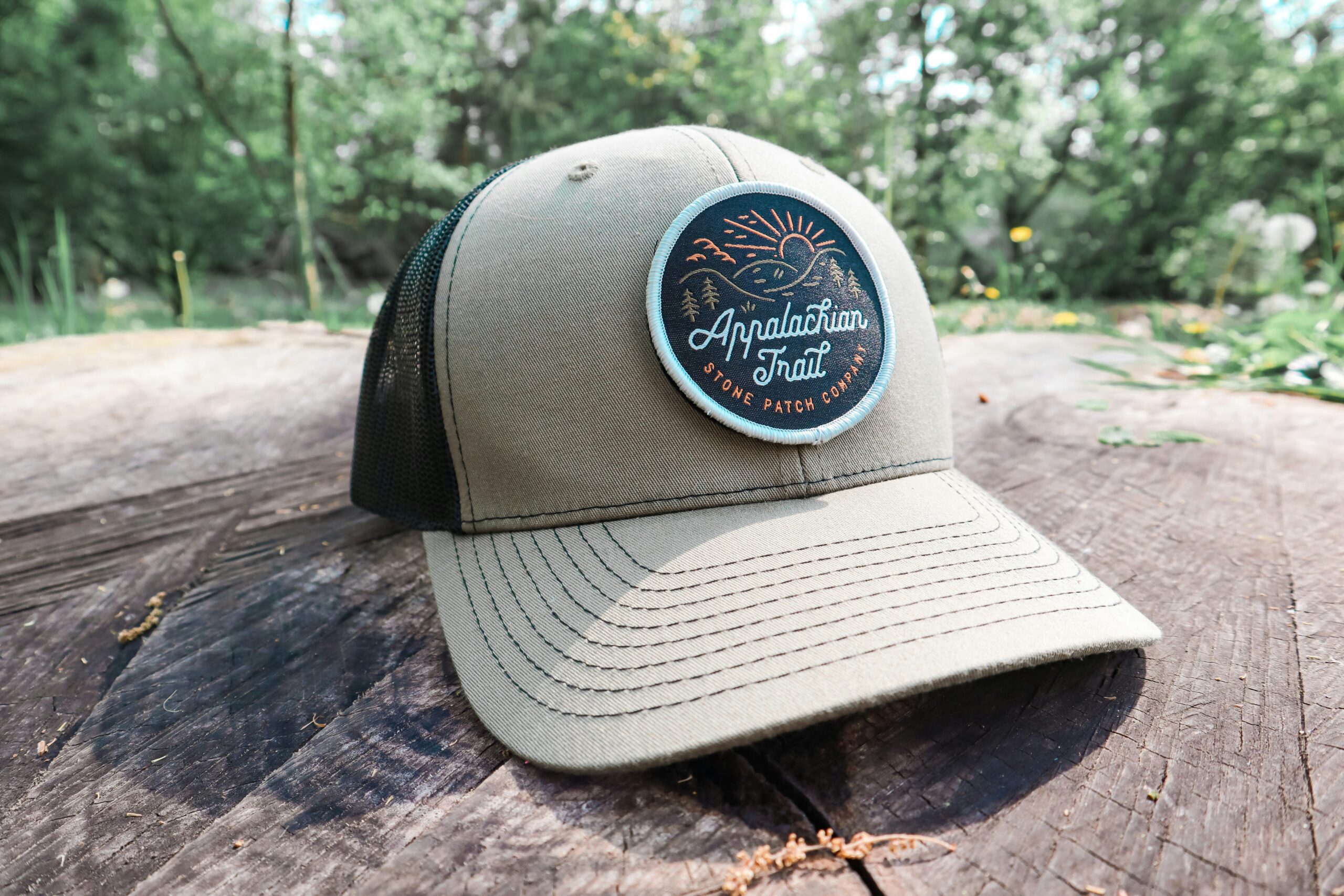
Trucker Hats
Discuss your required silhouette, materials and custom branding with our team.
Also explore baseball caps, snapback caps, bucket hats and visor caps.
Frequently asked questions about custom cap MOQ
What does custom cap MOQ mean?
MOQ means minimum order quantity under a particular supplier offer. Its scope must be stated: it may relate to an order, style, colour, logo or another defined variation. Ask for written clarification and compare it with your quantity sheet. A number without that scope is insufficient for deciding whether a proposed assortment meets the condition.
What is the MOQ at Jalal Hats & Apparels Ltd.?
This article does not state a fixed company minimum. Send the actual construction, fabric, colourways, decoration, sizes and quantities to the team and request current terms. The response should identify what the minimum applies to and which assumptions are included. Do not treat illustrative quantities in this guide as a company quotation or commitment.
Can I combine several colours to meet one minimum?
Only if the supplier confirms that grouping under the applicable programme. A total order condition may differ from a minimum per colour or style. List each colourway and quantity separately, then ask which rows can be counted together. Keep the confirmed arrangement in the quotation record so it remains clear when the order is approved.
Does one cap colour with different logos count as one order?
It may be one purchase order, but decoration conditions can still apply separately to different artwork versions or applications. Show the quantities for every logo and placement. Ask whether setup, minimums or pricing differ. Do not assume that a shared shell colour removes all differences between the decorated products being requested.
Is a sample order the same as the production MOQ?
No. A sample is a development item with its own agreed scope and terms. It may use placeholder components or demonstrate only part of the intended product. Confirm bulk feasibility and commercial conditions separately once the specification is stable. Paying for a sample does not automatically establish the quantity a supplier will accept for production.
Can a supplier reduce the minimum if I use available fabric?
It may be worth discussing, but no reduction should be assumed. Ask what materials are actually available and whether using them changes the proposal. Review the alternative’s suitability and approve the finished result. A material that makes procurement simpler still needs to meet the product brief and be reflected in the final specification.
Are reorder minimums always lower?
No universal rule applies. A repeat order may reuse approved development, but materials, components and assortment requirements still need current confirmation. Provide the original style reference and identify any changes. Ask for the applicable reorder terms in writing rather than assuming that the previous order or a different supplier’s policy establishes the current conditions.
How should I compare MOQ quotations?
Use the same specification, quantities by variation, decoration, packing and delivery basis. Record the scope of each minimum and identify exclusions or unresolved assumptions. If an option changes the product, show that difference separately. A lower headline quantity is only meaningful when the buyer understands what can actually be supplied under the quoted conditions.
Does a higher quantity guarantee a lower unit price?
No particular reduction is guaranteed. Request realistic quantity options and have the supplier explain their basis. Check whether the specification stays the same across options. Consider the total commitment and your actual product needs, rather than select an impractical quantity solely because one unit price appears attractive in an incomplete comparison.
What should I send with an MOQ enquiry?
Send reference images, construction details, material and colour requirements, fit or size information, artwork, component requests and a quantity matrix. Add packing needs and identify flexible or unresolved points. This gives the manufacturer a useful basis for discussing feasibility, sampling and current commercial conditions instead of guessing which features and variations are essential.
Get a clear answer for your cap project
Prepare one current brief with the product reference, quantity matrix and artwork. Explain which features are essential and where you can consider alternatives. Contact Jalal Hats & Apparels Ltd. to request confirmation of the applicable minimums, sample process and quotation assumptions.
For related construction decisions, explore our five panel versus six panel guide and structured versus unstructured caps guide. Agree the product first, then evaluate the quantity conditions against the actual assortment. Keep the final response with the approved specification for a clear handover to sampling and purchasing.