
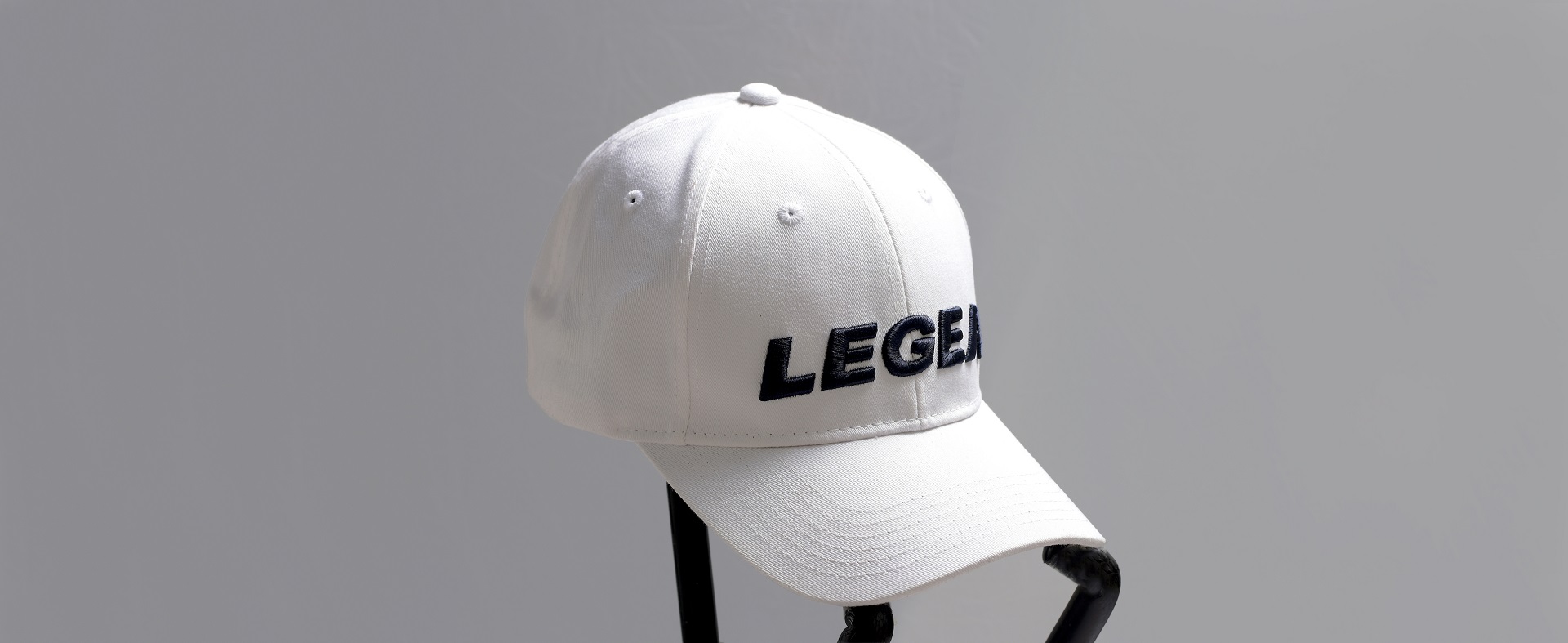
Custom Embroidered Caps Manufacturer in Bangladesh: a buyer guide from Jalal Hats & Apparels Ltd. covering artwork, samples and branded headwear development.
Published 14 October 2026. Read our company background and company profile for context. All commercial and technical arrangements require confirmation for your project.
1. Custom Embroidered Caps for Brand Collections
Custom embroidered caps give a brand a physical identity that customers can wear repeatedly. A logo is important, but the finished product also depends on crown shape, fit, fabric, visor construction and the feel of the internal finish. Buyers looking for a custom embroidered caps manufacturer in Bangladesh should evaluate the complete cap rather than separating decoration from manufacturing.
Jalal Hats & Apparels Ltd. publishes cap and hat categories, company information and factory photographs on its website. This article explains how a buyer can prepare an embroidery brief and assess a proposed product. It is a purchasing guide, not a claim that one decoration technique is suitable for every logo or every order. Specific capabilities, quantities, pricing and timing need confirmation with the team.
Start by describing the intended collection. A fashion label may need subtle tonal decoration, while promotional merchandise may require immediate logo visibility. A uniform programme may prioritise repeatable colours and practical care. Explain which outcome matters before discussing the artwork. An approved physical reference should connect these requirements to the cap that will be manufactured.
The strongest enquiry gives the team enough detail to identify limitations early. Clear decisions about construction and decoration reduce unnecessary revisions and help both sides understand what the quotation, sample approval and quality review must cover.
2. Choose the Cap Shape Before Finalising the Logo
The cap silhouette provides the surface on which embroidery must work. A structured baseball cap, a relaxed dad hat and a trucker style can present different panel shapes and material combinations. A front logo should be assessed on the actual proposed construction, not only on a flat artwork preview.
Record the panel arrangement, crown depth, visor curve and closure. Explain whether you want a firm profile or a softer feel. These choices influence how the artwork appears when the cap is worn and how the cap behaves during handling. A photograph can introduce the desired appearance, but measurements and a reference sample make that direction more precise.
If a collection includes several silhouettes, identify them with separate product codes. Do not assume that the decoration approved on one cap automatically works on another. Ask for the proposed approach for each construction and review any changes in logo placement or appearance.
A custom embroidered caps manufacturer in Bangladesh can assess your brief more effectively when the cap shape is settled. Use the linked baseball cap, dad hat and trucker hat pages to discuss categories, then request a sample for the exact design. Keep the approved silhouette attached to the embroidery record so later revisions remain connected to a specific product.
3. Send Artwork That Explains the Intended Result
Artwork needs to show more than the brand name. Provide a clear source file, the intended decoration dimensions and a colour reference. Include a placement drawing showing the logo on the relevant panel. Identify any fine lettering, outlines or small spaces that are important to the identity of the design.
Separate artwork used for visual communication from the embroidery production file. The conversion of a design into stitch instructions requires technical decisions; a picture file alone does not describe those decisions. Ask the team what formats they need and which parts of the design may require adjustment.
Send one current version rather than several files with similar names. Use a product code and revision date so that a sample request cannot be confused with an earlier proposal. If you update the artwork, explain what changed and whether dimensions, colours or placement are affected.
An enquiry to a custom embroidered caps manufacturer in Bangladesh should also identify your approval contact. One person should consolidate comments from the brand, marketing and purchasing teams. This helps avoid conflicting instructions. Keep the final approved artwork with the physical sample and quotation, creating a single reference that can be checked during production and used when the cap is reordered.
4. Understand Digitising as a Development Step
Embroidery digitising translates a visual design into instructions for stitching. The result is influenced by the design, the material and the intended appearance. Buyers do not need to specify every machine parameter, but they should understand that an attractive screen preview is not the same as a successful embroidered sample.
Ask whether the proposed file is being prepared for the actual cap construction. A design adapted for a different product may require further work. Review the physical result for shape, edge definition, spacing and the relationship between the embroidery and panel seams. Request explanations when the factory proposes simplifying details.
Treat significant changes as a new version. Record the revised artwork and why the adjustment was accepted. Avoid approving a decoration trial while separately sending another file that changes the same feature. The production team should have one identifiable approved reference.
When selecting a custom embroidered caps manufacturer in Bangladesh, evaluate the development conversation as well as the finished appearance. A practical team should explain the next review step and identify which issues remain unresolved. The buyer should provide clear feedback against the brief. That shared process helps turn a brand graphic into a cap decoration that can be evaluated consistently instead of relying on assumptions about the original drawing.
5. Review Small Lettering at Its Final Size
Small lettering deserves a separate review because readability changes when a design moves from a screen to stitched thread. Fine outlines, narrow gaps and detailed symbols may appear differently on the finished fabric. Do not approve these features solely by enlarging a digital preview.
Ask for a sample at the intended final dimensions. Examine it under ordinary viewing conditions and decide whether the brand remains legible at the distance relevant to its use. A subtle fashion logo and a promotional message have different visibility goals. Explain the goal so the team can assess alternatives appropriately.
Possible changes include adjusting the artwork, increasing dimensions or removing details that do not remain clear. Discuss each option rather than demanding an exact reproduction of every pixel. Thread selection can also be part of the technical discussion, but no universal thread or lettering limit should be assumed for all designs.
A custom embroidered caps manufacturer in Bangladesh needs an approval record that explains which version is acceptable. Include close photographs and comments that identify the actual problem. Avoid vague feedback such as make it better. A specific observation about letter spacing or an unclear element allows the next trial to address the issue without changing unrelated features that were already approved.
6. Compare Flat Embroidery and Raised Effects
Flat embroidery and raised embroidery produce different visual effects. A low-profile stitched design can support fine brand presentation, while a raised effect can give selected artwork a more pronounced appearance. The choice should follow the design and intended customer experience rather than the assumption that a more dimensional result is always better.
Ask for examples relevant to the shape and material of your cap. Raised effects may require artwork and production decisions different from those used for a flat design. Madeira’s dimensional embroidery guidance describes a file adapted for three-dimensional use. Treat that as a reason to review the specific method, not as confirmation that every graphic is suitable.
Compare edge finish, shape, consistency and comfort on the proposed sample. Consider how the decoration relates to the crown and visor. A visually dominant logo may suit one collection but overpower another. Record the intended effect and the approved reference.
Discuss the available approach with your custom embroidered caps manufacturer in Bangladesh before requesting a final price. If you are comparing techniques, ask for separate options so costs and development requirements remain clear. Do not combine a flat sample approval with a later request for raised embroidery without reassessing the artwork and product. The final quotation should describe the same effect approved for manufacturing.
7. Approve Thread Colours with the Fabric
Thread colour and fabric colour should be reviewed together. A colour that looks suitable on a screen may appear different against a particular cap fabric. Tonal embroidery, high contrast branding and multicolour artwork each need a reference appropriate to the intended appearance.
Provide a physical or identifiable colour reference and ask how proposed thread colours will be reviewed. Do not rely only on colour names such as navy or cream. Those words can describe many different shades. Where the relationship between several colours matters, approve the combination rather than each component in isolation.
Consider how changes to the fabric affect the decoration. A thread approved on a light sample may not provide the same contrast on a dark colourway. If several cap colours share one logo, review whether one thread arrangement works across the assortment or whether separate allocations are needed.
A custom embroidered caps manufacturer in Bangladesh should receive a clear colour allocation sheet for the order. Identify which thread references belong to each product code and colourway. Store the approved sample photographs alongside that sheet, while retaining physical references when colour accuracy is important. Reorders should confirm availability and proposed substitutions rather than assuming that an old colour name communicates the complete specification.
8. Match Fabric and Backing to the Decoration
Fabric and backing contribute to the stability and feel of the embroidered area. The appropriate combination depends on the material, construction and design. Buyers should ask for the proposed result rather than choosing a backing by name without considering the actual cap.
Madeira’s guidance distinguishes different backing families and describes options suitable for caps. This supports reviewing stabilisation as part of embroidery development. It does not mean that one backing is correct for every cap or that a component supplier endorses a specific factory’s product.
Inspect both sides of the embroidered sample. Look for an acceptable surface appearance and check the internal area that may come into contact with the wearer. Ask how excess material is finished and whether the approved arrangement changes the feel of the cap. A neat front appearance should be assessed alongside comfort.
When briefing a custom embroidered caps manufacturer in Bangladesh, explain whether a softer cap or a firm structured profile is required. Ask how the fabric and decoration will work together to achieve that result. If the material changes after approval, review whether the decoration must be sampled again. Keep backing and finishing decisions with the approved construction record so inspection can compare the same combination.
9. Define Front, Side and Back Placement
Decoration placement should be shown through measurements and a drawing. Front, side and back logos can have different relationships to seams, closures and panels. A lifestyle image is helpful inspiration, but it is not a complete instruction for the position of an embroidered design.
Identify a reference point that both teams can recognise. Explain whether measurements refer to the artwork edge, its centre or another feature. Show the intended orientation and dimensions. Where placement is sensitive to the cap shape, review the physical sample from several angles.
Additional decoration locations should be included in the quote and sample plan. Do not assume that a front-logo price includes a side emblem or a back message. If a colourway has different artwork, give it a separate reference so the allocation cannot be confused during production.
A custom embroidered caps manufacturer in Bangladesh can provide a more reliable proposal when these decisions are clear. Ask the team to identify any limitations related to the proposed location. Approve the final placement on the actual cap rather than only in a flat drawing. Maintain a diagram with the accepted measurements and attach photographs of the approved sample. This creates an inspection reference and simplifies future orders where the same brand identity needs to remain consistent.
10. Use Patches as a Separate Product Decision
An embroidered patch and embroidery applied directly to a cap are different product choices. A patch introduces its own material, edge finish and attachment method. Buyers should compare the complete result rather than assuming that a patch is simply another way to deliver the identical design.
Explain the desired patch shape, size and placement. Ask how it will be attached and review the appearance around its edges. Check whether the patch and attachment affect the flexibility of the panel. A neat patch shown separately does not establish how it looks or feels on the finished cap.
If you are comparing a patch with direct embroidery, request distinct samples or clearly identified options. Evaluate brand visibility, comfort and the intended style. Confirm whether the quotation includes the patch development and attachment. Changes to the patch dimensions should be reflected in the placement record.
Your custom embroidered caps manufacturer in Bangladesh should receive one approved approach for each product code. Do not leave the final choice unresolved after other construction details have been approved. Keep the artwork, patch material and attachment instructions together. This helps the factory reproduce the approved product and allows the buyer to compare a repeat order with the same reference rather than relying on a general description such as embroidered logo.
11. Build a Sample Approval Checklist
A sample approval checklist makes the development process easier to manage. Divide the review into cap construction, decoration, materials, fit, labels and packaging. Identify which features can be judged on the current sample and which remain provisional because a substitute component was used.
Review the embroidery for alignment, colour allocation, readability and finishing. Review the cap separately for shape, closure, visor and comfort. Then assess the combination as one product. A decoration that passes on its own may still sit awkwardly on the chosen silhouette.
Record approval with the product code and revision. Provide one consolidated feedback document rather than several unrelated messages. Explain corrections with photographs or measurements where helpful. If the sample is approved subject to changes, identify who must confirm those changes before manufacturing begins.
A custom embroidered caps manufacturer in Bangladesh should know which sample governs production. Keep a physical approved cap when fit or feel matters and share an identifiable record with the team. Ask whether another review is needed after a significant artwork, fabric or construction revision. A checklist does not eliminate judgement, but it ensures that the buyer’s judgement addresses the same features each time and remains connected to a documented production reference.
12. Request a Transparent Embroidered Cap Quote
A quotation for embroidered caps should describe the construction, materials, decoration locations, artwork version, assortment and packing. Include the destination and expected delivery arrangement. Without these details, two prices may describe different products even when both are labelled custom caps.
Ask which development and setup items are included and which are charged separately. Clarify samples, special labels, testing, courier arrangements and freight where applicable. Confirm currency, validity and payment stages. A published example should not be treated as a current offer for your own design.
If the artwork is still being developed, identify assumptions explicitly. Request separate options for different decoration methods or locations. This allows the purchasing team to understand a price difference and choose a solution without accidentally combining features from incompatible proposals.
The enquiry to a custom embroidered caps manufacturer in Bangladesh should include quantities by product and colour. Ask the team to explain how changes to the assortment affect the proposal. Once the sample is approved, verify that the quotation refers to the same construction and decoration. The lowest price against an incomplete brief can be difficult to evaluate. A transparent proposal links the commercial decision to the cap your brand intends to receive.
13. Plan MOQ and Colour Allocation
Minimum quantities depend on the proposed order rather than a single universal rule. Fabrics, components, thread arrangements, decoration positions and colour allocation can affect feasibility. Ask for the MOQ that applies to the exact specification and assortment you want to develop.
Explain whether the project is a trial collection, a promotional order or an ongoing retail programme. Provide a realistic allocation instead of only a total volume. A collection with many variations may require a different discussion from one design repeated in a single colour.
If the original request is difficult to accommodate, ask for practical alternatives. Using an available fabric or consolidating colourways may help, but any compromise should be reviewed against the customer need. Record accepted changes before comparing the revised price and sample plan.
A custom embroidered caps manufacturer in Bangladesh can assess your enquiry more effectively when future expectations are separated from the confirmed first order. Do not describe possible repeat demand as a guaranteed commitment. Start with the actual quantities and approval requirements. Ask which information remains necessary to confirm the arrangement. Clear allocation supports the quotation, production instructions and packing plan, helping both teams avoid assumptions about how the total order should be divided.
14. Inspect Embroidery during Production
Embroidery inspection should compare the output with an approved reference. Review logo orientation, placement, colour sequence, edge definition and the finish of the reverse side. Inspect the cap construction as well, because decoration and assembly must produce the agreed complete product.
Define the issues that matter to your order and agree how inspection decisions will be recorded. A vague instruction to ensure premium quality gives little guidance when a deviation appears. Explain acceptance expectations and the communication process for a problem that requires correction.
Ask how changes or substitutions will be approved during production. The team should not have to guess whether a different thread shade or decoration adjustment is acceptable. Record the effect on appearance, cost and timing before accepting a proposed change. Where testing is required, identify it separately from visual inspection.
A custom embroidered caps manufacturer in Bangladesh should be assessed through relevant evidence for the actual order. Machinery photographs and general quality claims do not establish the result of a future production run. Request an inspection arrangement that matches your brief and retain the record. That process gives your team a clearer basis for receiving the goods and investigating a discrepancy than relying on a marketing description alone.
15. Review Wear, Care and Product Claims
A cap’s intended care routine should be considered during development. The fabric, decoration, internal finish and components need to be assessed together. Ask what evidence is required for any performance statement your brand intends to publish. Do not infer a durability claim simply because embroidery appears neat on a new sample.
Agree relevant reviews or tests with your team and the appropriate specialist. Visual inspection, wearer feedback and laboratory testing answer different questions. If care instructions are supplied, check that they apply to the actual material combination rather than copying instructions from another product.
Claims about recycled, organic or certified components need supporting information. Ask for the scope and identifying details relevant to the proposed item. A certificate logo on a general webpage does not establish coverage of every fabric or cap. Keep the product claim and its evidence connected in the approval record.
When working with a custom embroidered caps manufacturer in Bangladesh, explain which statements are essential to your market positioning. Ask what can be confirmed and what remains outstanding. Clear product communication protects the relationship between the manufacturer, brand and customer. It also helps prevent a late change to a label or packaging claim after the physical product has already been approved.
16. Pack and Receive Branded Caps Carefully
Packing should protect the agreed cap shape and decoration while supporting receiving at the destination. Review how caps are stacked, separated and identified. A structured crown and a soft cap may require different handling decisions, and packaging should be assessed against the actual construction.
Confirm product codes, colour allocation and carton markings. If individual presentation matters, request a packing reference and review it with the finished cap. Labels and barcodes should match the instructions your warehouse or distributor needs. A packing arrangement that appears efficient can still be unsuitable if it obscures assortment information.
Clarify the handover with the company and your logistics partner. Record factory completion, dispatch and expected arrival separately. Ask your importer or forwarder which documents and descriptions are needed for the actual goods. Keep these details consistent with the quotation and packing list.
A custom embroidered caps manufacturer in Bangladesh should receive clear receiving requirements before final packing is prepared. Explain how discrepancies will be reported and who coordinates the response. Retain arrival photographs and inspection notes when your team receives the order. Good records help identify whether an issue relates to the approved product, packing or transport, rather than leaving all parties to interpret an informal complaint without supporting information.
17. Maintain Embroidery References for Reorders
Repeat orders need identifiable technical references. Keep the approved cap, artwork, production file information where available, thread references, measurements and packing instructions in a controlled record. An old invoice or a short message asking for the same again does not explain every detail.
Review buyer and customer feedback before the next order. Decide which comments justify a revision and which reflect individual preferences. If the artwork, fit or material changes, issue a new version and explain the effect on the decoration. A previous successful sample is a useful starting point, not automatic approval of an altered product.
Confirm the new assortment and component availability. Ask how unavailable fabrics or threads will be handled and which substitutions require approval. For several coordinated products, retain common colour references where consistency matters. Do not rely on a descriptive colour name alone.
A long-term relationship with a custom embroidered caps manufacturer in Bangladesh benefits from disciplined change control on both sides. The factory needs consolidated instructions and the buyer needs clear confirmation of the proposed production reference. This is especially useful when several colleagues manage purchasing over time. A well-organised record allows a new contact to understand the product without reconstructing the entire development history from scattered conversations.
18. Prepare a Project Brief for Jalal Hats and Apparels
Your next step is a short, complete enquiry. Describe the cap silhouette, customer use, fabric direction, embroidery effect, logo dimensions, placement, colours and quantity allocation. Attach reference images and authorised artwork. Identify packaging needs, destination and the required arrival window.
Use Jalal Hats & Apparels Ltd.’s company and product pages as introductions to the discussion. Ask the team which details they need to assess your proposal and prepare a sample plan. Confirm specific capabilities and commercial terms rather than treating a category description as a finished offer.
List the decisions that remain open. You may need advice on small lettering, colour contrast, backing feel or a raised effect. Ask for alternatives that preserve the key brand requirements and request an explanation of changes to cost or development. Keep each option clearly identified until one is approved.
Choosing a custom embroidered caps manufacturer in Bangladesh involves connecting brand intent with a producible cap and a clear purchasing record. A useful enquiry leads to a proposal, relevant samples and documented approvals. Contact Jalal through its published channels to discuss your brief, then retain the agreed artwork, cap reference and commercial terms before authorising bulk manufacturing. This guide supports that process without promising universal prices, minimum quantities or production deadlines.
Embroidery Specification Data Table
Use this buyer worksheet to record decisions. It is not a factory performance report or industry statistic.
| Feature | Information to provide | Approval evidence |
|---|---|---|
| Cap shape | Panel arrangement and fit | Physical sample |
| Artwork | Current authorised source file | Approved revision |
| Logo size | Final dimensions | Sample at actual size |
| Placement | Reference points and drawing | Photographs and measurements |
| Colours | Thread and fabric references | Approved colourway |
| Decoration effect | Flat or proposed raised effect | Relevant trial |
| Backing | Comfort and stability requirements | Inside sample review |
| Labels | Branding and market information | Label reference |
| Assortment | Quantity by code and colour | Written allocation |
| Packing | Presentation and carton instructions | Packing reference |
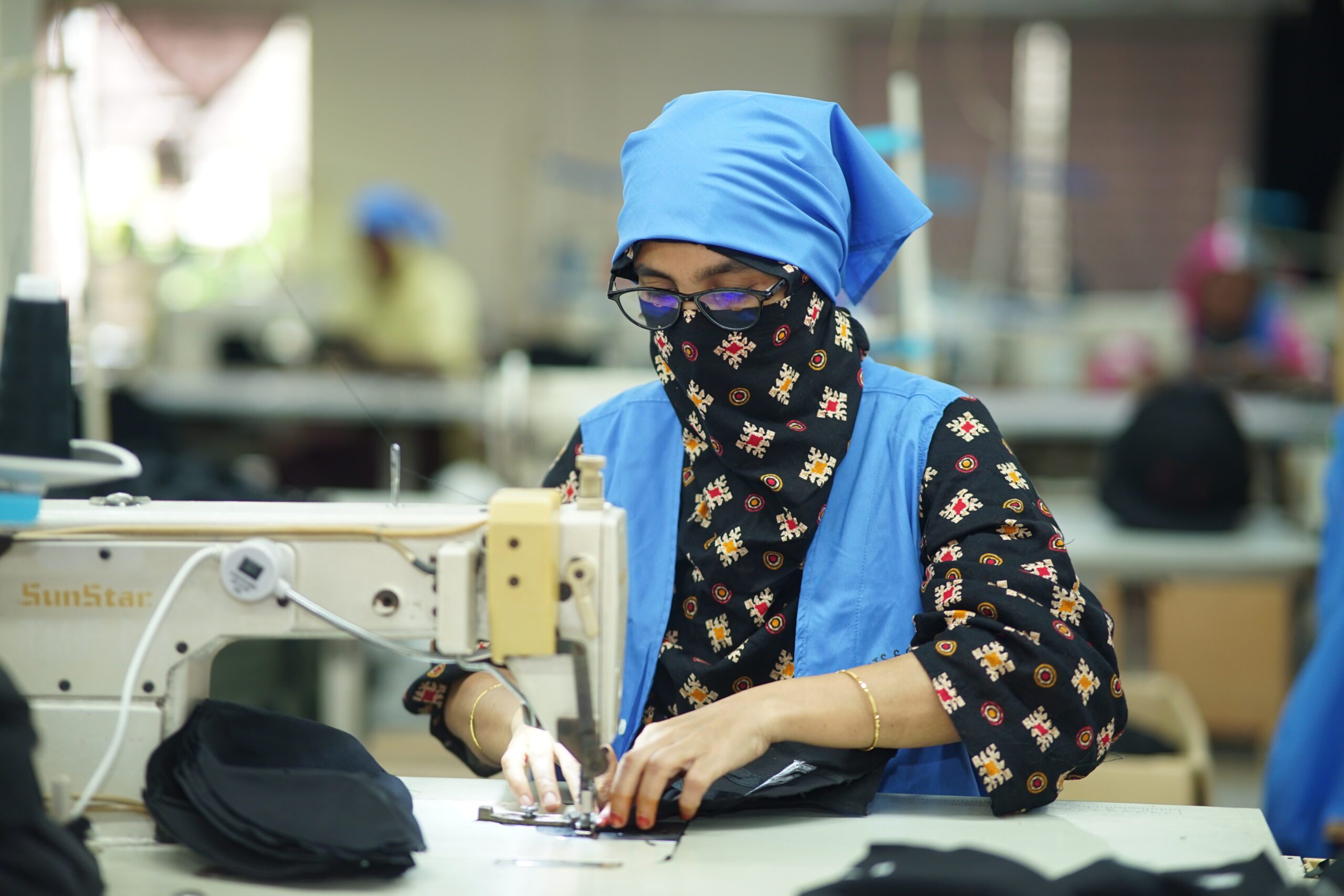
Real Factory Images and Related Products

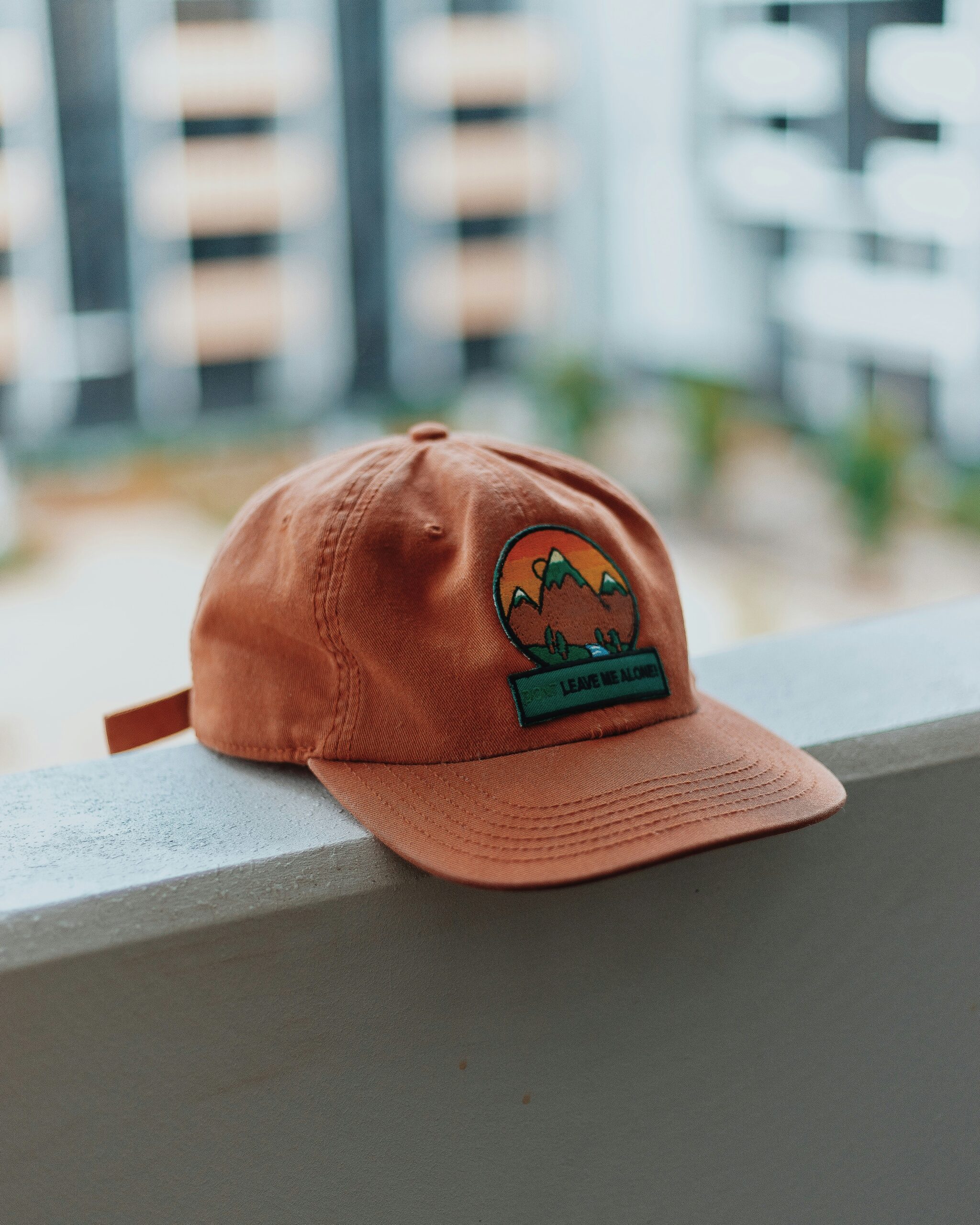
Dad Hats
Discuss your required silhouette, materials and custom branding with our team.
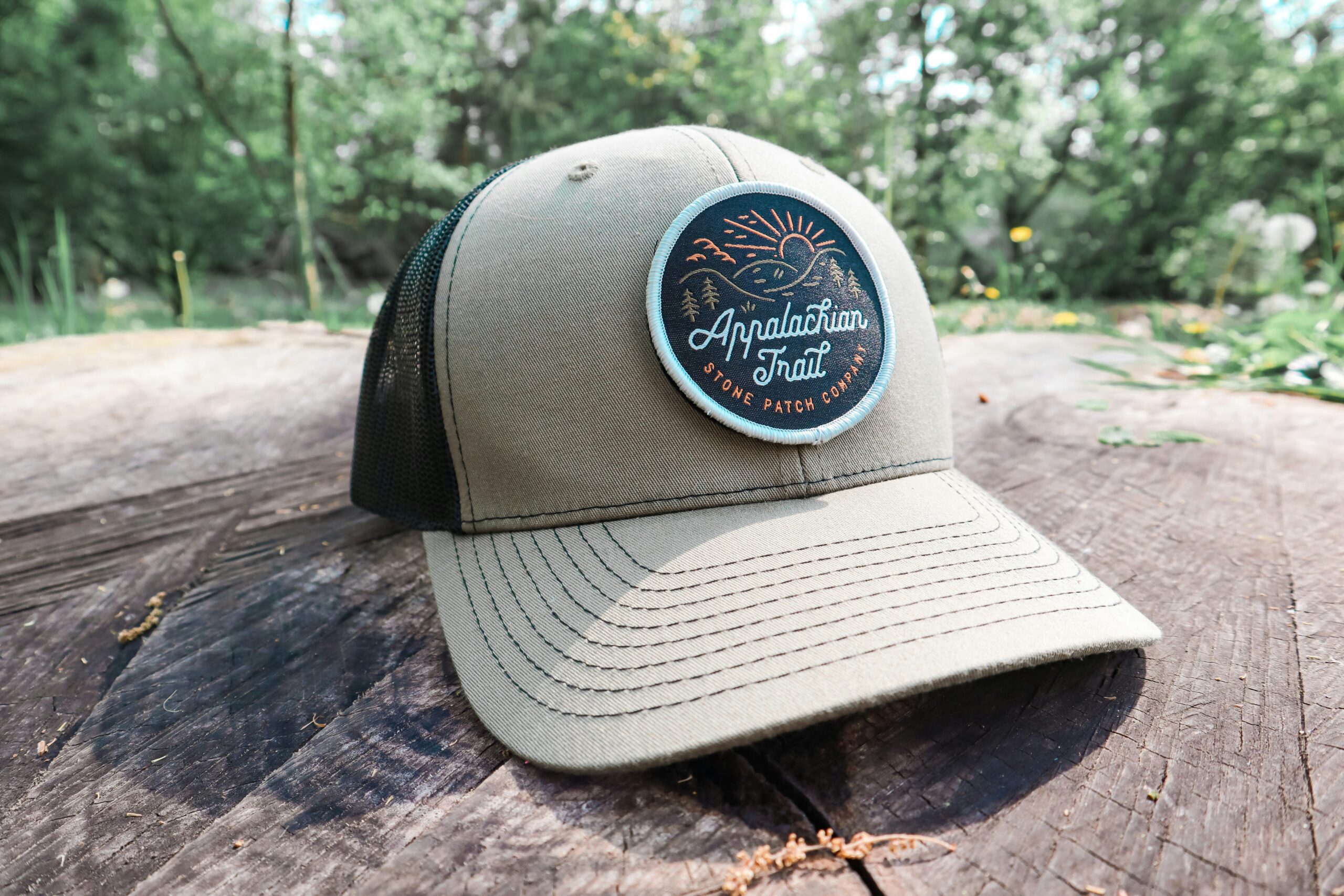
Trucker Hats
Discuss your required silhouette, materials and custom branding with our team.
Also explore baseball caps, snapback caps, bucket hats and visor caps.
Custom Embroidered Caps: Frequently Asked Questions
What should I send for a custom embroidered cap quotation?
Send the cap style, fabric direction, measurements, artwork, logo dimensions, placement drawing, thread colour references and quantity allocation. Add packaging, destination and your arrival window. Identify fixed requirements and open decisions. A complete brief allows the quotation to describe the same product you will review at sampling, rather than a general embroidered cap.
Can a screen logo be embroidered exactly as it appears?
A screen preview does not establish the final stitched result. Fine lines, lettering and spaces may require adjustment for the cap and decoration method. Request a sample at final size and record approved changes. Evaluate readability and appearance on the actual cap rather than approving only an enlarged artwork image.
What is embroidery digitising?
Digitising prepares stitch instructions from a visual design. It is part of development and should reflect the intended cap construction and effect. Ask what files the team needs and approve the physical result. A design used on another product should not automatically be assumed suitable for the proposed cap without review.
Should I choose flat embroidery or raised embroidery?
Choose according to the artwork and intended collection. Review relevant examples and request separate options where needed. Raised effects can involve different development decisions from flat embroidery. Assess the finished edges, appearance and comfort on the actual cap. Confirm the available method with the company before approving a sample or final price.
How can I approve thread colours?
Use an identifiable colour reference and review proposed threads against each cap fabric. Do not rely only on a screen or a broad colour name. Record which thread arrangement applies to each colourway. Retain physical references when colour accuracy matters and confirm substitutions before production or a later reorder.
Can I add front, side and back logos?
Discuss each requested location with the team and supply a drawing showing dimensions and reference points. Available decoration areas depend on the cap construction. Confirm the proposed locations through sampling and include them in the quotation. A price for one decoration position should not be assumed to cover additional locations.
Does every embroidered cap use the same backing?
Backing should be considered with the fabric, construction and artwork. Ask for the proposed combination and inspect the inside of the sample as well as the front. Review surface appearance and wearer comfort. Do not select a component solely by a generic name or assume one arrangement is suitable for every cap.
What is the minimum quantity for custom caps?
Request a project-specific MOQ. Material, components, colourways and decoration can affect feasibility. Provide your actual allocation and discuss alternatives if needed. Confirm quantities, commercial terms and sampling arrangements in writing. This article does not state a universal company minimum or guarantee the same arrangement for different product constructions.
What quality checks should I request?
Compare placement, colours, lettering, alignment and reverse finishing with the approved embroidery reference. Review shape, visor, closure, sweatband and labels as part of the complete cap. Agree inspection requirements and relevant testing separately. Retain a record of approved features and the communication process for any issue requiring correction.
How do I start with Jalal Hats and Apparels?
Use the contact page to send a concise project brief and authorised artwork. Ask for the information required to assess feasibility, quotation and sample development. Record which decisions remain open, approve the relevant physical references and confirm the final commercial terms before authorising bulk manufacturing or assuming a delivery deadline.
Technical References and Related Reading
For embroidery component guidance, consult Madeira’s backing guide, Madeira’s dimensional embroidery guidance and Gunold’s cap hooping resources. These are general technical references and do not establish Jalal’s use of a particular component brand.
Read our cap factory selection guide, headwear sourcing guide, credential information and responsible manufacturing information. Contact Jalal Hats & Apparels Ltd. for a quotation and sample plan.