
Bangladesh Hat Manufacturer: a practical custom headwear sourcing guide from Jalal Hats & Apparels Ltd.
Published 10 October 2026 by Jalal Hats & Apparels Ltd. Company background is based on our About page and company profile. This guide provides purchasing guidance; project terms require written confirmation.
Choosing a Bangladesh Hat Manufacturer for Your Brand
Bangladesh Hat Manufacturer is a search phrase buyers use when they need a dependable source for custom headwear. The useful question behind that search is more specific: which manufacturer can develop your product, document the agreed requirements and organise an order that suits your market? A meaningful comparison starts with the hat itself, the customer who will wear it and the evidence you require before committing to production.
This guide explains how to move from supplier research to a clear purchasing brief. It covers hat styles, materials, branding, sample approvals, quality checks and shipment preparation. It is written for retail brands, promotional distributors, sourcing teams and businesses developing private label collections. The aim is to help you ask better questions and understand the decisions that affect your order.
Jalal Hats & Apparels Ltd. presents its company and product information on this website. Use that information as an introduction, then discuss the exact style and order requirements with the team. A website photograph, product category or attractive quotation should lead to a documented review rather than replace one.
Start with the Intended Customer and Use
Before contacting a Bangladesh hat manufacturer, define what the finished hat must do for its wearer. A promotional event hat, a fashion accessory and an everyday outdoor style may look similar in a photograph while requiring different fabrics, fit and finishing. Describe the setting, likely climate, expected frequency of wear and the way the customer will receive the product.
For a retail collection, identify the intended price position and the features that justify it. Those might include a comfortable sweatband, a particular crown profile, distinctive embroidery or packaging that protects the shape. For an event programme, concentrate on consistent branding, practical distribution and the required delivery date. Avoid combining every desirable feature without checking how the combination affects cost and development.
Prepare a short product purpose statement before writing the technical specification. For example, explain that the hat is intended for repeated everyday wear and must retain a comfortable shape after the approved care routine. This gives the supplier context when suggesting alternatives. It also helps your own team decide which compromises are acceptable and which features must remain unchanged.
Review the Company Behind the Product
Jalal Hats & Apparels Ltd. states that it was established in 2017 and offers caps, hats and related apparel products. Buyers can review the company background, profile and published contact information through the linked pages in this guide. Those pages provide a starting point for a commercial discussion; an individual order still needs its own specification and written agreement.
Confirm who will manage your enquiry, who will coordinate sampling and who can approve a production change. Clear responsibilities reduce the risk of receiving different answers from different contacts. Ask where reference samples should be sent and which address applies to meetings, manufacturing discussions and shipment collection. An office address and a production location serve different purposes.
Request relevant examples rather than a general claim of expertise. If your design depends on a particular brim shape or embroidery placement, ask to see that construction. Discuss how the team would approach your design and what information is missing. A practical explanation of limitations, alternatives and approval steps is more useful than a promise that every design can be produced immediately.
Explore our company story and company profile.
Compare Hat Styles Before Requesting Prices
Hat terminology can conceal important differences. A bucket hat has a surrounding brim, while a baseball cap usually combines a crown with a front visor. A trucker style typically introduces mesh panels, and a dad hat generally describes a softer, relaxed cap silhouette. These labels are useful for browsing but do not fully specify the product.
Choose a reference shape and record the features that matter. Consider crown depth, panel arrangement, brim width, visor curve and closure. Explain whether the construction should hold a firm shape or feel soft and flexible. Ask the manufacturer to confirm how these characteristics will be achieved with the proposed materials.
Use separate specification sheets when requesting more than one style. A single enquiry for several unrelated hats can lead to quotations based on different assumptions. Compare styles by intended use and approved features rather than by name alone. If you are still choosing a direction, ask for development options and identify them clearly as proposals. The final order should refer to one agreed version for each product code.
Compare our bucket hats, baseball caps, snapback caps and ivy caps.
Select Fabrics by Performance and Appearance
Fabric selection influences the feel, appearance and construction of a hat. Cotton twill, polyester fabrics, blends, mesh and other materials can provide different results. The fibre description alone is insufficient: fabric weight, weave, finishing and backing also matter. Share the desired hand feel and appearance alongside the fibre composition.
Ask for swatches or material references that can be retained in your approval file. Evaluate them under consistent lighting and compare them with the intended product. A fabric that looks suitable when flat may behave differently around curved panels or along a stitched brim. Sample development helps reveal those differences before you approve the bulk material.
Record whether a proposed substitute is acceptable and which properties must remain comparable. Do not approve a replacement merely because its colour resembles the original. Ask how the change affects weight, stability, care and decoration. When a material claim such as recycled or organic content is important to your marketing, request evidence for the specific material and order. A general environmental description should not become a product claim without supporting documentation.
Define Fit with Measurements and a Reference Sample
A good hat specification describes fit through measurable features and a physical reference. Record the intended size range, measurement method and any agreed tolerances. For an adjustable cap, explain how the closure is positioned during measurement. For a fitted style, identify the size allocation and how each size will be labelled.
Measure the features that affect comfort and shape rather than collecting dimensions without a purpose. Crown depth, internal circumference, brim dimensions and closure range may be relevant depending on the style. Use diagrams to show exactly where a measurement begins and ends. A different measurement method can produce a different result even when both parties examine the same sample.
Review fit with people who represent the intended customer group where practical. Record observations about pressure points, movement and comfort. Distinguish a preference from a defect: one wearer may prefer a deeper crown while another prefers a shallow profile. Consolidate feedback into an agreed decision. The manufacturer needs a clear reference to reproduce, rather than several conflicting comments from separate reviewers.
Plan Logo Placement and Decoration
Decoration should be developed as part of the hat construction. Embroidery, printing and patches can respond differently to curved panels, seams and textured fabrics. Send usable artwork and identify the intended dimensions, position and colours. Include a simple placement diagram so that the supplier does not have to infer the location from a lifestyle photograph.
Small lettering and fine lines may require adjustment for the chosen method. Ask for a decoration sample or a close review of the proposed result. Assess readability, alignment, edge definition and the appearance of the reverse side where relevant. A logo that looks clear on a computer screen may lose detail at its final physical size.
Confirm whether approvals cover only the artwork or also the thread, backing, patch material and attachment method. Record any agreed simplification. If your artwork includes a third party brand, obtain the appropriate permission before commissioning production. Use authorised designs and keep the relevant approval in your own records. The quotation should state how many decoration locations and methods are included for each product.
Develop a Useful Private Label Specification
Private label headwear needs more than a front logo. Internal labels, product identifiers, packaging and brand presentation influence the customer’s experience and the retailer’s receiving process. Decide which labels are required, what they should contain and where they should be positioned before approving the final sample.
Provide final label artwork and explain which details vary by size, colour or destination. Check that the proposed label material is comfortable for the intended location. A label that meets a visual requirement may still create irritation when placed against the skin. Review attachment, folding and finishing on the physical sample rather than approving the design file alone.
Keep the branding specification separate from claims that require verification. Fibre content, country of origin, care information and other market requirements should be reviewed for the actual product and destination. Ask your importer or relevant specialist which information is required. The manufacturer can help implement agreed instructions, but the buyer should not assume that an attractive label automatically satisfies every market’s rules. Retain approved files with clear version numbers.
Prepare a Complete Request for Quotation
A request for quotation should allow a Bangladesh hat manufacturer to understand what is being priced. Include the product style, material direction, reference images, measurements, decoration and quantity allocation. Describe the packaging and destination. State which features are fixed and which remain open to the manufacturer’s proposal.
Separate quantities by product code, size and colour. A total quantity can hide a complicated assortment that changes material and component requirements. If you are comparing alternative constructions, ask for separate quotation lines. This makes it easier to understand what creates a price difference and prevents an optional feature from being mistaken for the base specification.
Ask the team to identify assumptions and exclusions. Development, testing, courier charges, special packaging and freight may be handled separately depending on the agreement. Confirm currency, quotation validity, delivery basis and payment stages before issuing an order. Keep the quotation attached to the same specification version used for approval. A clear price against a clear product is more useful than the lowest number against an incomplete description.
Understand MOQ Without Assuming One Universal Number
Minimum order quantity depends on the product and sourcing arrangement. Style complexity, colour assortment, fabric availability, custom trims and decoration can all influence what is practical. Ask Jalal Hats & Apparels Ltd. to review your intended quantity and explain the feasible options for that particular brief.
A smaller total order can become more difficult when divided into many colour and size combinations. Clarify whether a quoted minimum applies to the entire order, each style, each colour or a specific component. Ask whether using an available material or standard closure changes the proposal. Record any alternative as a distinct option so that you understand what has changed.
Do not treat an illustrative quantity from an article as a confirmed company policy. Use your actual sales plan to decide whether an offered quantity is commercially sensible. Excess inventory can outweigh a lower unit price, while an insufficient allocation can interrupt a successful launch. Review the relationship between order size, assortment and expected demand before making a commitment. Ask for a written project specific minimum in the quotation.
Separate Sampling Stages and Approval Decisions
Sampling is a sequence of decisions rather than a single parcel. Your project may require a material review, decoration trial, fit sample and final production reference. Agree which stages are necessary for the design and what each stage should demonstrate. This helps your team review the right features at the right time.
When a sample arrives, identify its version and compare it with the specification. Record what is approved, what needs correction and what cannot yet be judged because a substitute component was used. Avoid writing a general approval when important materials or labels are still provisional. The supplier should know exactly which changes are required before the next step.
Consolidate feedback into one response from an authorised buyer contact. Contradictory instructions can produce unnecessary revisions and make the final reference unclear. Retain photographs and measurements, but keep a physical approved sample where fit, texture and shape are important. Ask how production will be checked against that reference. Document whether another sample is required after a significant change to material, construction or decoration.
Build a Realistic Production Schedule
A schedule should distinguish development, buyer review, material preparation, production, inspection and dispatch. Ask what must be approved before each stage starts. Confirm which dates depend on your team’s response and which depend on supplier availability. A production estimate given before the brief is complete should remain an estimate.
Plan backward from the date the goods must be available for use or sale. Transport, destination clearance and local distribution take place after factory dispatch. An event buyer and a retailer launching a seasonal collection should explain their actual deadline rather than asking only for a general lead time. Discuss what happens if an approval arrives later than planned.
Build a simple milestone record with a responsible contact for each action. Update it when the specification changes and record the effect on subsequent stages. Avoid using a progress percentage as evidence that a date is guaranteed. The reliable question is which documented task has been completed and which dependency remains unresolved. A realistic schedule makes those dependencies visible before they become urgent.
Inspect Construction Inside and Outside
Quality review should examine the complete hat. Look at the crown profile, seam alignment, brim attachment and decoration, then inspect the inside. Sweatband finishing, seam covering, thread ends and closure attachment can affect comfort and durability even when the front view looks attractive. Use the approved reference to guide the review.
Create a defect checklist relevant to the style. Explain which variations are acceptable and which require correction. For example, a twisted brim, loose closure or visibly misplaced logo can affect the customer’s experience in different ways. Agree terminology so that inspectors and production staff understand the same issue. Photographs can help illustrate the standard but should not be the only explanation.
Discuss where checks occur during production and how findings are recorded. Reviewing an early production sample can reveal a repeated issue before the full order is completed. Final inspection still matters because earlier checks do not establish the condition of every packed carton. Ask who will authorise rework and how corrected goods will be reviewed. The inspection approach should be agreed before shipment is scheduled.
Review Colour Consistency and Care Performance
Colour approval requires a consistent reference and viewing method. Screen displays, camera exposure and lighting can alter the apparent shade. Use physical swatches or another agreed reference for critical colours. Record whether approval applies to the fabric, decoration, closure and label separately or to the overall combination.
Consider how the product will be used and cared for. Discuss the checks relevant to the fabric and intended market, such as colour transfer, dimensional change or decoration durability. The test programme should reflect the product rather than copy an unrelated garment checklist. Ask a suitable testing provider to clarify methods when formal results are needed.
Do not add performance statements to your product description unless they are supported. Terms such as waterproof, colourfast or protective can imply more than a visual review establishes. Decide which claims are essential, what evidence they require and who will approve the wording. Keep reports connected to the tested sample and material version. A change in fabric or finishing may require a new review before the same claim is used again.
Use Certification Evidence Carefully
The website’s credential portfolio can help buyers start a discussion about documentation. Request records relevant to the facility, material and product being considered. Check the name, scope, dates and identifying information. Do not assume that every product is covered because a recognised logo appears on a company page.
OEKO-TEX describes STANDARD 100 as a label for textiles tested for harmful substances. That description concerns a defined testing and certification programme; it is not a general guarantee of every environmental or labour claim. If the proposed product carries a particular claim, ask for the relevant certificate information and verify its applicability through the programme’s official resources.
Keep supplier assessment and product assessment distinct. A report about a workplace does not automatically establish the chemical properties of a fabric, and a material certificate does not replace a review of working conditions. Ask precise questions about the evidence your organisation requires. Record what has been provided and what remains outstanding. Refer to the linked primary sources for their current programme explanations rather than relying on a paraphrased marketing statement.
Read the official STANDARD 100 explanation and review our credential portfolio.
Make Responsible Sourcing Part of Purchasing
Responsible sourcing involves the way a buyer selects, communicates with and monitors suppliers. A questionnaire is useful only when it leads to an informed review and appropriate follow up. Ask how the company manages relevant workplace and environmental issues, then request the evidence needed for your organisation’s requirements.
The OECD provides due diligence guidance for responsible garment and footwear supply chains. Buyers can use that primary reference to understand an ongoing risk based approach. Applying due diligence means considering risks and responses throughout a business relationship rather than treating one logo or audit document as the end of the process.
Commercial decisions also influence production pressure. Incomplete specifications, repeated late changes and unrealistic deadlines can complicate planning. Communicate your requirements early and discuss limitations openly. If corrective actions or additional checks are required, assign responsibility and a review date. Avoid unsupported claims that a product is completely sustainable or ethically perfect. Use specific, documented statements about materials and practices, and explain their scope in product communications.
Consult the OECD responsible supply chain guidance and our CSR information.
Protect Hat Shape During Packing
Packaging should protect the product and support the buyer’s receiving process. Soft caps, structured crowns and wider brim hats may need different packing arrangements. Ask how the proposed method prevents crushing, unwanted creasing or decoration damage. Review a packing example if product presentation matters at delivery.
Decide whether hats will be packed individually, grouped by assortment or arranged for bulk distribution. Provide carton labels and quantity instructions in a separate packing specification. Include product codes, colour descriptions and any identifiers required by your warehouse. Consistency between the packing list and carton markings makes receiving and reconciliation easier.
Avoid requesting unnecessary packaging without considering its practical value. A simpler method may be suitable when it protects the hat and fits the distribution plan. Conversely, removing an essential protective component can create avoidable damage. Review material choices alongside protection and handling. Confirm carton dimensions and shipment totals before the forwarder plans collection. Retain the approved packing method so that repeat orders follow the same identifiable instructions.
Clarify Export and Delivery Responsibilities
An export order needs a clear handover arrangement. Confirm the agreed delivery basis, named location and responsibilities with the manufacturer and your logistics partner. Separate the factory completion date from the departure date and the expected arrival date. These are different milestones and should not be described as one delivery promise.
Ask your importer or forwarder which documents and product information they require. Review descriptions, quantities, values and packing details for consistency. The final classification and destination requirements should be checked by the relevant parties for the actual goods. Do not copy a code from a similar product without reviewing whether it applies.
Keep the communication trail organised when transport plans change. Record revised collection arrangements, carton details and the contact responsible for the handover. Ask how the goods will be protected while awaiting collection and how shipment discrepancies will be handled. The best transport choice depends on your commercial priorities and the available route. Compare options against the required arrival window rather than assuming that the fastest quoted service guarantees timely delivery.
Calculate Total Purchasing Cost
The unit price is only one part of the purchasing decision. Development, samples, testing, packaging, freight and destination handling can affect the total project cost. Identify which costs are included in the supplier’s quotation and which will be invoiced by another party. Use a comparison worksheet with the same scope for each proposal.
Consider the cost of product variation and avoidable errors. A cheap hat that does not fit the approved brief can create returns, replacement work or a missed launch. Better documentation and a relevant sample review may reduce those risks. Compare the proposed construction and service responsibilities before deciding whether a higher or lower price represents better value.
Do not turn a hypothetical cost breakdown into a claim about the company’s pricing. Use actual quotations and current logistics information for your calculation. State the currency, quantity assumptions and validity period. Review the effect of changing the assortment or adding a decoration location. A transparent total cost discussion helps your team decide which features create customer value and which add complexity without supporting the product’s purpose.
Manage Remote Development with Clear Records
International buyers can coordinate development remotely when the approval process is organised. Use consistent product codes and file names. Share drawings, artwork and specifications through an agreed channel, then confirm decisions in a written record. Informal messages can be useful for quick questions, but the approved version should remain easy to identify.
Ask for sample photographs that show the required angles and details. Include inside views, decoration close ups and measurements where relevant. Photographs help you identify issues, but they do not replace physical review of texture, comfort and fit. Arrange sample delivery when those characteristics affect the purchasing decision.
Set reasonable response expectations across time zones. Identify one person who consolidates your team’s feedback and another who confirms the supplier’s interpretation. If a change is proposed during production, require a clear explanation of its effect on the product, cost and schedule. Record whether it is approved before implementation. A remote relationship becomes easier to manage when both teams work from the same current documents.
Plan Repeat Orders and Collection Consistency
Repeat orders should begin with an identifiable approved reference. Retain the specification, artwork, sample record, material information and packing instructions. Ask whether components remain available and whether the same construction can be reproduced. A previous order number is useful, but it does not explain every technical feature by itself.
Review customer and warehouse feedback before placing the next order. Identify recurring fit comments, decoration issues or packaging damage. Distinguish isolated observations from a pattern and decide whether a change is needed. If you revise the product, issue a new version so that the supplier does not confuse the revised brief with the earlier approved reference.
Confirm the new colour and size allocation explicitly. Sales demand may have changed since the first collection. Ask how an unavailable material would be handled and which substitutions require approval. For a coordinated product range, maintain common references where consistent colours or labels matter. Repeat purchasing works best when the relationship combines useful experience with fresh confirmation of the actual order requirements.
Avoid Common Supplier Selection Mistakes
One common mistake is comparing prices before defining the product. Another is approving a sample without recording which provisional components still need confirmation. Both can create disagreement later because the buyer and supplier remember different assumptions. A written brief and a structured approval record prevent many of these misunderstandings.
Do not use an impressive photograph as proof of current capacity, a certification logo as proof of every product claim or a general delivery estimate as a confirmed order deadline. Ask for evidence that addresses the specific question. Where information cannot yet be confirmed, mark it as outstanding and assign the next action.
Avoid excessive keyword based research that never reaches a technical conversation. Searching for the best Bangladesh hat manufacturer can help you discover suppliers, but the eventual decision should rely on product relevance and documented answers. Request a sample, compare the construction and evaluate communication. A supplier that explains a limitation honestly can be more useful than one that agrees to every request without reviewing the details.
A Practical Enquiry Example
Imagine a retailer developing an adjustable hat for everyday wear. The retailer has a reference shape and authorised logo artwork, but has not chosen the fabric weight or final colour allocation. A useful enquiry explains the intended customer, includes reference photographs and lists the undecided features. The supplier can then propose relevant materials instead of guessing the desired appearance.
The buyer requests a quotation for one agreed construction and asks for a separate option with a different decoration method. Each option identifies the quantity, packaging and delivery basis. After a sample review, the buyer consolidates feedback on fit and logo placement, approves the revised reference and confirms the material information before the production schedule is finalised.
This example is a planning illustration, not a description of a completed Jalal order or a guaranteed commercial offer. Its purpose is to show how decisions connect. The same sequence can be adapted for a promotional distributor or sourcing team. Clear questions produce a more useful proposal and make later reviews easier to organise.
Discuss Your Project with Jalal Hats & Apparels Ltd.
Use this guide to prepare a concise enquiry rather than sending only a keyword and asking for a price. Explain your style, intended use, reference dimensions, branding, quantity allocation and destination. Include your required arrival window and identify any materials or documents that are essential to the project.
Review the linked company profile, product pages and contact information before arranging a meeting or sending samples. Ask the team which information they need to assess feasibility and prepare the next development step. Keep the response connected to your specification so that a proposal can be reviewed by everyone involved in the purchasing decision.
Choosing a Bangladesh Hat Manufacturer is a practical process of checking product suitability, communication and evidence. The strongest result is an order supported by clear references and agreed responsibilities. Jalal Hats & Apparels Ltd. can be contacted through the published channels on this website to discuss your requirements. Request a project specific quotation and sample plan, then complete the approvals that your organisation needs before moving to bulk production.
Buyer specification data table
This is a planning worksheet, not a statement of factory output, prices or industry averages. Use it to record the evidence for your own order.
| Decision | Information to provide | Evidence to retain |
|---|---|---|
| Style and use | Reference shape, customer and intended setting | Approved construction reference |
| Fit | Size allocation, measurement method and tolerance | Recorded sample measurements |
| Materials | Composition, weight, finish and swatches | Approved material reference |
| Branding | Logo files, positions, colours and method | Decoration approval |
| Quantity | Allocation by style, size and colour | Confirmed quotation and order |
| Labels | Artwork, information and location | Approved label files |
| Packaging | Unit packing, carton marking and assortment | Packing specification |
| Schedule | Approvals, production, inspection and handover | Agreed milestone record |
| Documentation | Product claims and destination requirements | Relevant reviewed documents |
| Inspection | Criteria, sampling approach and rework process | Inspection agreement |
Company factory images
These photographs come from the company’s existing website media library. Ask for current project relevant information when reviewing manufacturing arrangements.


Related headwear products
Explore these product pages for design discussions. Images illustrate existing website styles; they do not establish stock availability or a fixed order specification.
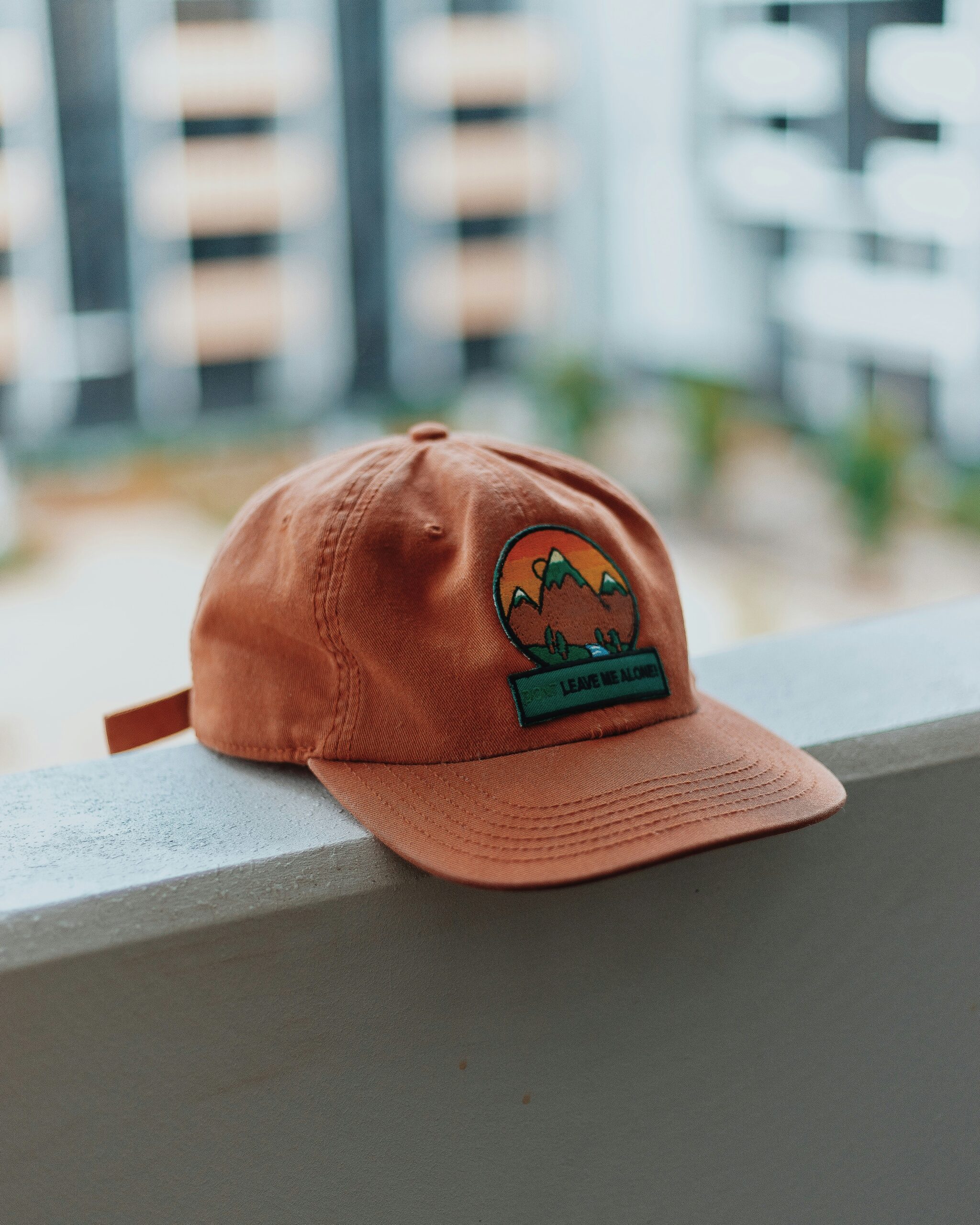
Dad hats
Discuss relaxed shapes, fit, closures and branding for an everyday collection.
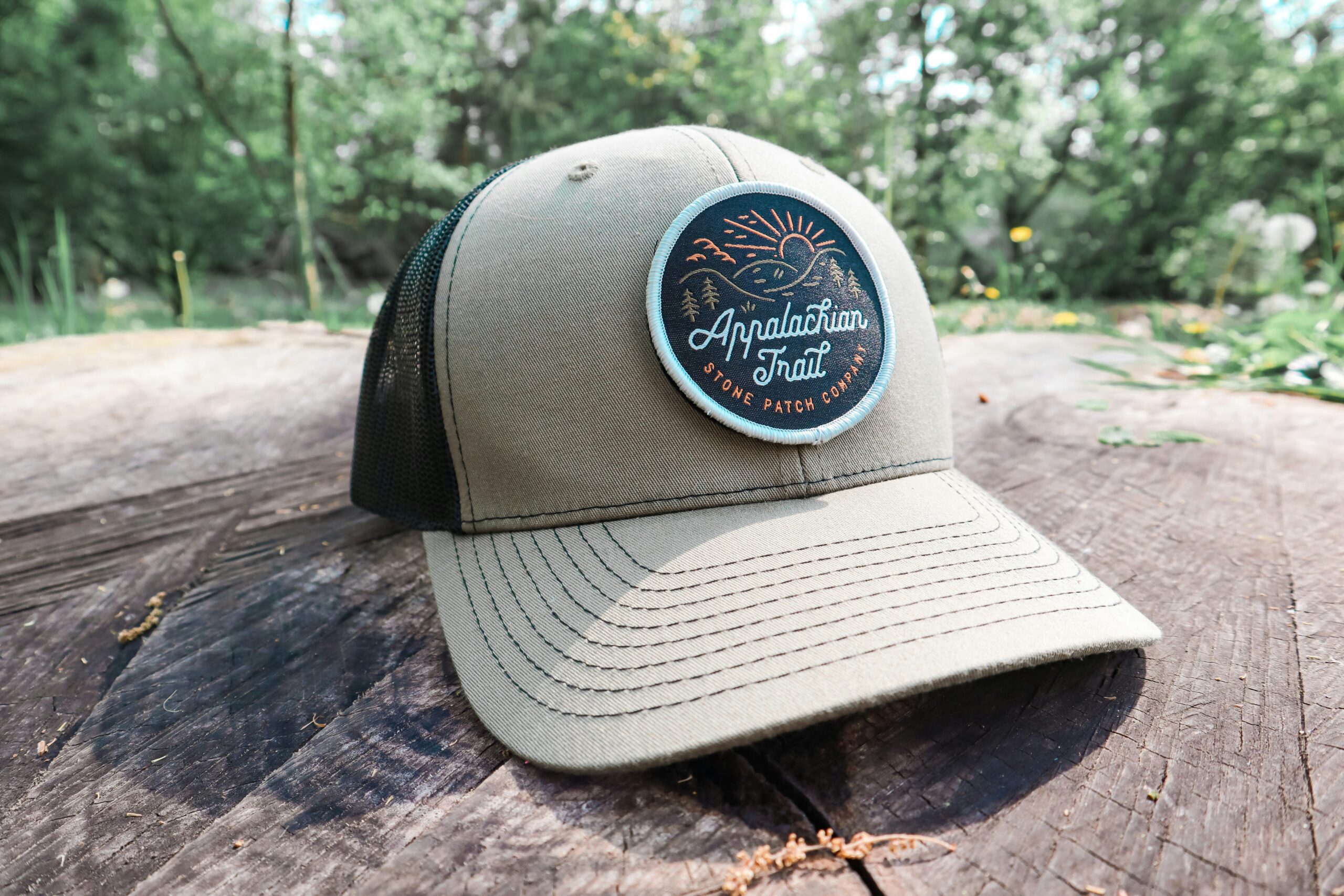
Trucker hats
Compare panel arrangements, mesh materials, crown structure and decoration.
Also browse visor caps, boater hats and the complete product range.
Frequently asked questions
What does a Bangladesh hat manufacturer need to quote an order?
Provide the style, reference images, measurements, fabric preferences, authorised artwork, quantity allocation, packaging and destination. Identify undecided features. Ask the team to explain assumptions and exclusions so that the quotation refers to one clear specification.
Does Jalal Hats & Apparels Ltd. offer custom headwear?
The company website presents custom caps, hats and promotional headwear. Contact the team with your design to confirm the feasible materials, construction, branding and order requirements for the specific project.
What is the minimum order quantity?
Request a project specific MOQ. It can depend on style, fabric, colours, trims and decoration. Confirm whether the minimum applies to the total order, each style or each colour before planning your assortment.
Can I add my brand logo and private labels?
Discuss authorised logo artwork, decoration method, size, placement and internal labels with the team. Approve the result on a relevant sample and retain final files. Feasibility and pricing need confirmation for the proposed construction.
How long does hat production take?
Request a current schedule after the brief has been reviewed. Separate sampling, buyer approval, material preparation, bulk production, inspection and transport. Confirm the dependencies and required arrival date rather than relying on a universal lead time.
How should I approve a hat sample?
Compare the identified sample version with the specification. Review shape, fit, fabric, colour, decoration, labels and packaging. Send one consolidated decision and identify provisional components. Retain the approved reference for production checks.
How can overseas buyers manage development?
Agree product codes, document versions and approval responsibilities. Use photographs for interim reviews and physical samples for fit and texture. Record changes and confirm their effect on cost and schedule before implementation.
How do I verify a product certification claim?
Request relevant documents and check the entity, dates, scope and product applicability. Use the programme’s official verification resources where available. A website logo alone does not establish that every proposed hat is covered.
Are the images in this guide company media?
The factory photographs and related product images are selected from the website’s existing media library. They illustrate the published company and product context. Photographs do not independently establish current capacity or a future order guarantee.
How do I contact the company about a project?
Use the Contact page or the published email and WhatsApp channels. Send your specification, artwork, quantities and delivery requirements. Ask for a project specific quotation, sample plan and list of information still needed.
References and next steps
The external references explain their own programmes and guidance. They do not certify or endorse Jalal Hats & Apparels Ltd. through this article.
For more sourcing guidance, read our Dhaka cap manufacturer guide and professional manufacturer selection guide. Contact our team with your brief to discuss the next step.