
Best Cap Factory in Bangladesh: a practical sourcing guide published by Jalal Hats & Apparels Ltd. on 13 October 2026.
Review our company background and company profile alongside this guide.
1. What Best Means for a Cap Buyer
The best cap factory in Bangladesh is the factory that can reliably make the cap your business actually needs. A premium retail collection, a promotional campaign and a uniform programme involve different priorities. One buyer may value a particular crown shape and detailed embroidery; another may need simple branding across a consistent assortment. Begin by defining the intended wearer, sales channel, climate and required arrival date. These decisions give meaning to the word best and create a useful basis for comparison.
Avoid choosing a partner solely because a search result uses a superlative. A factory website can introduce products and capabilities, but the purchasing decision needs evidence relevant to your project. Review samples, ask precise questions and document what has been confirmed. A supplier that identifies a design limitation early can save time compared with one that accepts every request without examining the specification.
This guide is published by Jalal Hats & Apparels Ltd. for buyers researching custom headwear manufacturing. It is a practical selection framework rather than an independent ranking of factories. The company publishes cap and hat product information, factory photographs and contact channels on its website. Use those materials to begin a technical conversation, then agree the commercial details in writing. Prices, minimum quantities, certification coverage and production dates depend on the actual order and should be confirmed before commitment.
2. Define Your Customer Before Your Construction
A cap starts with a customer need. Describe whether it will be sold as fashion merchandise, distributed at an event or worn repeatedly as part of a work outfit. Consider how long the user may wear it, the climate and the importance of brand visibility. A lightweight campaign cap and a structured retail cap can require different materials even when both have six panels.
Write a short purpose statement that your product, purchasing and marketing teams can share. Include the features that are essential and those that would simply be desirable. For example, a retailer might require a consistent curved visor and comfortable adjustable closure while remaining open to several sweatband options. That distinction helps the factory offer useful alternatives without changing the core product.
Send reference photographs showing the front, side, back and inside of a comparable shape. Explain which parts are references for appearance and which must be reproduced technically. Do not assume that an image communicates fabric weight, internal support or dimensions. A clear purpose statement followed by a specification is more effective than sending many unrelated pictures.
When assessing the best cap factory in Bangladesh for your brief, look for questions that clarify these requirements. Relevant questions about fit, decoration and intended use indicate that the enquiry is moving toward a defined product. Record the agreed direction before requesting a final quotation.
3. Match the Cap Style to the Project
Baseball caps, trucker hats, dad hats and snapback caps have recognisable silhouettes, but category names are not complete specifications. A baseball cap can have a soft or structured crown. A snapback closure does not determine the panel arrangement. Trucker hats can vary in mesh, front panel support and visor construction. Compare the actual features instead of relying on a name.
Select one reference shape for each product code. Specify crown depth, panel count, visor curve, closure type and overall feel. Explain whether the cap should hold a firm shape when placed on a shelf or remain flexible for a relaxed appearance. These choices affect materials, cutting, sewing and packaging.
If you are developing several styles, use separate sheets. Combining unrelated products into one broad request can produce quotes based on inconsistent assumptions. Ask the factory to identify differences in construction and development requirements. A style comparison should show what changes and why, rather than presenting a single average price.
The Jalal website includes dedicated pages for baseball caps, trucker hats, dad hats and snapback caps. They are useful starting points for discussing a range, not substitutes for approving a specific sample. The best cap factory in Bangladesh for a multi-style collection should be assessed against each style in the order. A successful sample in one silhouette does not automatically confirm every other construction.
4. Choose Fabrics with a Physical Reference
Fabric selection affects appearance, comfort and how a cap responds to wear. A photograph alone cannot communicate hand feel, thickness or flexibility. Ask for swatches and identify the proposed fibre composition and fabric construction. If a reference material matters to your brand, send an identifiable sample and explain which characteristics are essential.
Evaluate the fabric alongside the intended cap structure. A material that looks attractive as a flat swatch may behave differently over curved panels or under embroidery. Review whether the proposed fabric supports the desired crown profile and decoration method. Consider sweatband contact, ventilation and the expected care routine where relevant.
Colour should also be approved through a suitable physical reference. Different screens and lighting conditions can change perception. Agree the reference and the method used to review proposed colours. When the order includes several components, assess their appearance together rather than approving every item in isolation.
Ask how unavailable materials or proposed substitutions will be handled. Require approval before a change that affects appearance, feel or performance. Retain the approved swatch with the sample record so that later inspection has a clear reference. The best cap factory in Bangladesh for your brand is not necessarily the one offering the longest fabric list. It is the partner that can explain the proposed material and reproduce the agreed combination for the actual order.
5. Turn Fit into Measurable Requirements
Fit should be described with measurements and a physical sample. Record the relevant circumference, crown depth, visor dimensions and adjustment range. Show where each measurement begins and ends. For an adjustable cap, specify the closure position during measurement so that both teams follow the same method.
Agree tolerances that reflect the construction and your product requirements. Avoid copying a measurement table from an unrelated cap without checking whether it represents the intended silhouette. A single circumference measurement cannot fully describe the way the cap sits on the wearer. Crown shape and internal construction influence the experience as well.
Review fit with representative wearers where practical. Consolidate feedback about pressure, stability and comfort. Distinguish personal preference from a deviation against the brief. If several reviewers provide conflicting instructions, the factory needs one authorised decision rather than a collection of separate comments.
Maintain a versioned size sheet and note every approved change. Include size allocation and label requirements when the collection has more than one size. Retain an approved physical reference for comparison during production and reorder planning. Selecting the best cap factory in Bangladesh involves asking how the team checks these requirements, not simply whether it offers adjustable caps. Clear measurement methods make discussions about fit more objective and help reduce disagreements between the sample stage and the finished order.
6. Plan Embroidery, Printing and Patches Early
Branding should be developed together with cap construction. Embroidery, printing and patches respond differently to seams, curves and textured materials. Provide usable artwork and identify the decoration dimensions, colours and location. A placement diagram helps prevent the factory from guessing how a logo should sit on the finished cap.
Review fine lettering and narrow lines at the final physical size. Artwork that looks clear on a large screen may require adjustment when embroidered on a curved panel. Ask for a decoration trial when the design includes difficult details. Inspect readability, alignment and the appearance around seams before approving the result.
Confirm what the approval includes. Thread, backing, patch material, attachment method and decoration positions should be recorded where they matter. If a simplified artwork version is proposed, retain the approved file and its version number. Make sure the quotation covers the same number of decoration locations shown in the brief.
Use artwork that your business is authorised to commission. A third party logo in a reference photograph does not establish permission to reproduce it. Keep your own approval records. The best cap factory in Bangladesh for branded headwear should be evaluated through relevant decoration samples and clear communication. Discuss practical limits before bulk production so that the finished design reflects an approved solution instead of an assumption based on the original artwork.
7. Build the Private Label Details
Private label caps need a consistent identity beyond the front decoration. Internal labels, size information, packaging, product codes and carton markings influence both customer presentation and warehouse receiving. Decide which elements are required before the final sample is approved.
Supply final label artwork and explain the variations between colours, sizes or destinations. Consider comfort at the label position as well as its appearance. Review how the label is folded and attached on a physical cap. A visually attractive label can still create an uncomfortable edge if the construction is not considered.
Keep branding decisions separate from claims that need supporting evidence. Fibre composition, origin, care instructions and destination-specific information should be reviewed for the actual product. Ask your importer or relevant specialist what the market requires. The factory can implement agreed instructions, but a label design by itself is not proof that the product satisfies every applicable requirement.
Retain all approved files in a controlled folder with product codes and revision dates. Explain which instructions apply to individual caps, inner packs and export cartons. Ask for confirmation when the same artwork appears in several places. Your assessment of the best cap factory in Bangladesh should include how these details are handled. A clear private label brief connects the physical product, its packaging and the receiving process so that the collection arrives ready for the intended distribution channel.
8. Request Quotes That Can Be Compared
A useful quotation request includes the style, materials, measurements, decoration, quantity allocation, packaging and destination. Explain which features are fixed and which are open to alternatives. Attach the specification version that each factory should use. Comparable quotes require comparable assumptions.
Break quantities down by product code, size and colour. A total order quantity may hide a complex assortment with different material requirements. Ask for separate lines when evaluating alternative fabrics or decoration methods. This allows your team to understand a cost difference without confusing an optional feature with the base product.
Request a list of exclusions and assumptions. Samples, testing, courier charges, specialised packaging and freight may be priced separately. Confirm the currency, validity period, payment stages and delivery basis. Keep these terms connected to the product definition so that a lower figure is not mistaken for a better offer with the same scope.
The best cap factory in Bangladesh for your order should be considered through total value and clear responsibilities. Price remains important, but a low quote against an incomplete brief is difficult to evaluate. Ask the team to explain what would change if you adjusted quantities or simplified the branding. A transparent quote gives you practical choices and creates a record that can be reviewed before placing an order. Use current project information rather than published examples as the basis for your budget.
9. Confirm MOQ and Assortment Feasibility
Minimum order quantity is a project-specific discussion. It can depend on the chosen material, components, colours, decoration and production arrangement. Do not assume that one published quantity applies to every cap style or every combination of features. Ask for the minimum that applies to your precise request.
Explain whether you need a development sample, a trial production run or a commercial collection. These are different requests and may involve different arrangements. Provide a realistic quantity allocation rather than a broad statement that the order will be large. The team needs to understand how many pieces use the same construction and components.
Discuss alternatives if the initial assortment is difficult to accommodate. Reducing colour variations, using an available material or consolidating decoration can change feasibility. Ask which compromises affect the product and which affect only the purchasing arrangement. Record any accepted alternative in the specification before comparing a revised quotation.
Avoid treating an unconfirmed MOQ as a promise made by the company. The best cap factory in Bangladesh for a small brand may differ from the most suitable factory for a large repeat programme. Evaluate responsiveness to your actual volume and the clarity of the proposed arrangement. A practical discussion about assortment helps establish whether the project can move forward without forcing the buyer or factory to work from unrealistic assumptions.
10. Approve Samples in Clear Stages
Sampling is a sequence of decisions. A material swatch, decoration trial, fit sample and final production reference answer different questions. Agree which stages your design needs and what each stage should demonstrate. This keeps your team from approving features that have not yet been represented accurately.
Identify every sample by product code and revision. Compare it with the specification and record which elements are approved, which need correction and which remain provisional. If a substitute fabric or closure was used, make that limitation explicit. A general approval message should not obscure unfinished decisions.
Consolidate feedback into one response from the authorised buyer contact. Include measurements and photographs that explain a requested change. Keep a physical reference where texture, shape and comfort matter. After a significant revision, ask whether another sample is needed and how it affects the development schedule.
The best cap factory in Bangladesh for your product should demonstrate a workable approval process. Ask how the final reference will be communicated to production and inspection teams. Retain the approved artwork, materials and packaging details with the sample record. Clear stages help both sides understand when development is complete and which reference should govern bulk production. They also make it easier to investigate a later discrepancy because the history of changes and approvals remains identifiable.
11. Check Construction Inside and Outside
Quality review should cover the cap as a complete product. Inspect visible seams, panel alignment, crown shape, visor finish, decoration and closure. Turn the cap inside out to examine seam finishing, sweatband attachment, labels and any loose threads. The internal finish matters to comfort and durability even when it is absent from marketing photographs.
Use the approved sample and specification as your references. Record a defect definition rather than relying only on personal impressions. Explain which issues are critical to function or appearance and how the inspection decision will be made. Ask how the factory handles a problem found during production instead of waiting for the final shipment.
Where testing is relevant, agree the method and scope with the appropriate parties. Do not invent a performance claim from a visual inspection. Colourfastness, component durability and other properties require suitable evidence when they are part of your brief. Inspection and laboratory testing serve different purposes and should not be described as interchangeable.
Ask for a clear record of the checks appropriate to your order. The best cap factory in Bangladesh is not established by a photograph of machinery or an unsupported percentage. It is assessed through the agreed controls and the actual results for the product. Practical inspection records connect the approved reference to the finished assortment and help resolve issues before goods leave the production facility.
12. Review Credentials Without Overstating Them
Public credentials can help buyers identify a company and begin a documentation review. Jalal Hats & Apparels Ltd. has a BGMEA member listing, which buyers can consult through the official association website. Association membership is useful company context; it should not be presented as a guarantee of a particular order’s quality.
Ask for evidence that relates to the actual facility, material and product being considered. Review names, identifying numbers, scope and dates. A familiar logo on a webpage does not establish that every cap in a collection is covered by the same certificate. Where a claim matters to your purchasing policy, verify the relevant record through the issuing programme.
OEKO-TEX STANDARD 100 concerns textiles tested for harmful substances. It should not be expanded into a claim that every labour or environmental issue has been independently assessed. If your brief requires a certified component or finished article, ask how the proposed item fits the certificate scope and what information can be verified.
Choosing the best cap factory in Bangladesh requires careful interpretation of evidence. Company credentials, workplace information, material certificates and product test reports answer different questions. Keep a list of what has been supplied and what remains outstanding. Consult the linked official resources for programme details and ask your team to approve the evidence relevant to the market and product rather than treating all documents as one general quality badge.
13. Plan Production around Real Dependencies
A production plan should separate development, approvals, material preparation, manufacturing, inspection and dispatch. Ask which decisions must be complete before each stage begins. Confirm who is responsible for each action and which dates depend on a buyer response.
Work backward from when the caps must be available for use or sale. Factory completion is not the same as arrival at your warehouse. Allow for transport arrangements, destination handling and distribution. An event campaign should communicate its actual deadline, while a retail collection should explain its launch window and receiving requirements.
Keep a milestone record that changes when the specification changes. A new fabric, revised artwork or additional decoration can affect subsequent stages. Ask for an updated assessment rather than assuming that the original dates remain valid. Agree how delays or unavailable components will be communicated.
The best cap factory in Bangladesh for your programme should be evaluated through realistic scheduling and timely information. Avoid using a decorative progress bar as proof of production status. The meaningful question is which documented task has been completed and which dependency remains. A shared schedule creates opportunities to resolve problems early, while an unsupported delivery promise can leave both teams with different expectations. Request a written project schedule once the brief is sufficiently defined and revisit it when the order changes.
14. Protect Cap Shape during Packing and Delivery
Packaging needs to protect the approved shape and support receiving at the destination. A structured cap can be affected by inappropriate stacking or compression. Review how individual pieces, inner packs and cartons will be arranged. Consider labels and product codes that make the assortment easy to identify.
Ask for a packing reference when presentation or shape protection is important. Confirm carton markings, allocation and the documents your receiving team needs. The cap sample and packaging sample should be assessed together if packaging can alter the product. Do not optimise carton use without examining whether the result preserves the required condition.
Clarify delivery responsibilities with the factory and your logistics partner. ICC’s Incoterms rules describe tasks, costs and risks associated with delivery between seller and buyer. Select an appropriate agreed rule and named place rather than assuming that a phrase such as shipping included answers every question. Consult the official resources and your forwarder for the actual arrangement.
The best cap factory in Bangladesh for export orders should be assessed alongside a workable transport plan. Record dispatch, departure and expected arrival as separate milestones. Ask which documents and product descriptions your importer requires and check them for consistency. Packing and delivery are connected decisions that influence whether an approved cap reaches its intended customer in the expected condition.
15. Evaluate Communication and Repeat Order Control
A factory relationship becomes more useful when both teams work from consistent records. Identify the people responsible for commercial decisions, artwork approval and technical feedback. Use agreed product codes and file names. Informal messages can support quick questions, but the approved specification should remain easy to locate.
Ask for sample photographs that show the angles and details your review needs. Inside views, closure details and measurement photographs can reduce uncertainty during remote development. They do not replace physical review when fit, texture or comfort matters. Arrange a sample delivery before making decisions that depend on those characteristics.
For repeat orders, retain the approved construction, material information, artwork and packaging instructions. Ask whether components remain available and identify substitutions that require approval. Review customer feedback and issue a new revision when the product changes. A previous invoice alone is not a complete technical reference.
The best cap factory in Bangladesh for a long-term collection is assessed through consistency and the ability to manage changes responsibly. Clear communication does not mean agreeing to every request. It means explaining the proposed solution, its limitations and the next action. A useful partner helps your team make decisions from current information, while your team provides consolidated instructions and timely approvals. That shared discipline is especially important when several colours, sizes or product styles are reordered together.
16. Prepare Your Enquiry to Jalal Hats and Apparels
A productive enquiry explains the project instead of asking only for the best price. Include the cap style, intended use, reference images, measurements, branding, quantity allocation, packaging and destination. Identify your required arrival window and separate essential features from optional ideas.
Review the company profile and relevant product pages before contacting the team. Jalal Hats & Apparels Ltd. publishes headwear categories and factory images that can help structure an initial discussion. Ask which additional information is needed to assess feasibility, quotation and sample development. Use the contact page for the current published communication channels.
Keep a short list of questions about the unresolved parts of your project. You might need guidance on fabric alternatives, decoration detail, closure options or packaging. Ask for the proposal to identify assumptions so that your team can review it against the intended product. Request project-specific quantities and timing rather than relying on a general statement from a different order.
The best cap factory in Bangladesh should be selected through the product and purchasing evidence that matters to your organisation. This article offers a framework for that decision and introduces Jalal as a company you can discuss your brief with. It does not establish an independent first-place award or promise a universal commercial offer. Start with a clear enquiry, approve relevant samples and record the agreed responsibilities before authorising bulk manufacturing.
Factory Assessment Data Table
This is a suggested buyer worksheet, not factory statistics or a ranking. Record confirmed, pending or unsuitable against evidence supplied for your own order.
| Review area | Evidence to request | Decision to record |
|---|---|---|
| Construction | Sample and measurements | Shape and tolerances |
| Materials | Swatches and composition | Approved fabrics |
| Decoration | Artwork and physical trial | Approved placement |
| Private label | Labels and packaging | Branding instructions |
| Quantity | Assortment proposal | MOQ and allocation |
| Price | Quote with assumptions | Included costs |
| Schedule | Milestone plan | Dependencies |
| Quality | Inspection requirements | Acceptance process |
| Credentials | Records and scope | Verified evidence |
| Delivery | Logistics agreement | Responsibilities |
Real Factory Images and Related Products

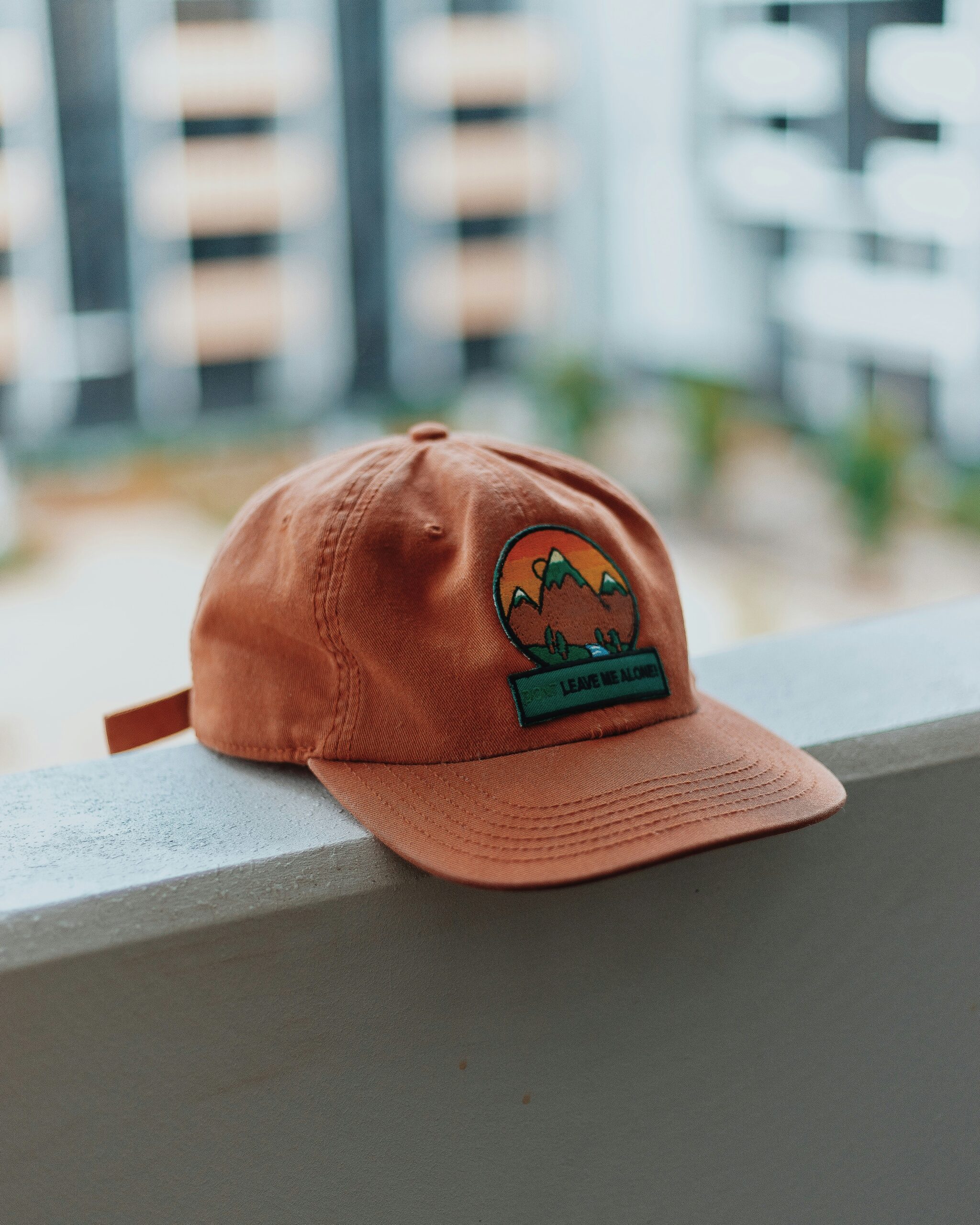
Dad Hats
Discuss your required silhouette, materials and custom branding with our team.
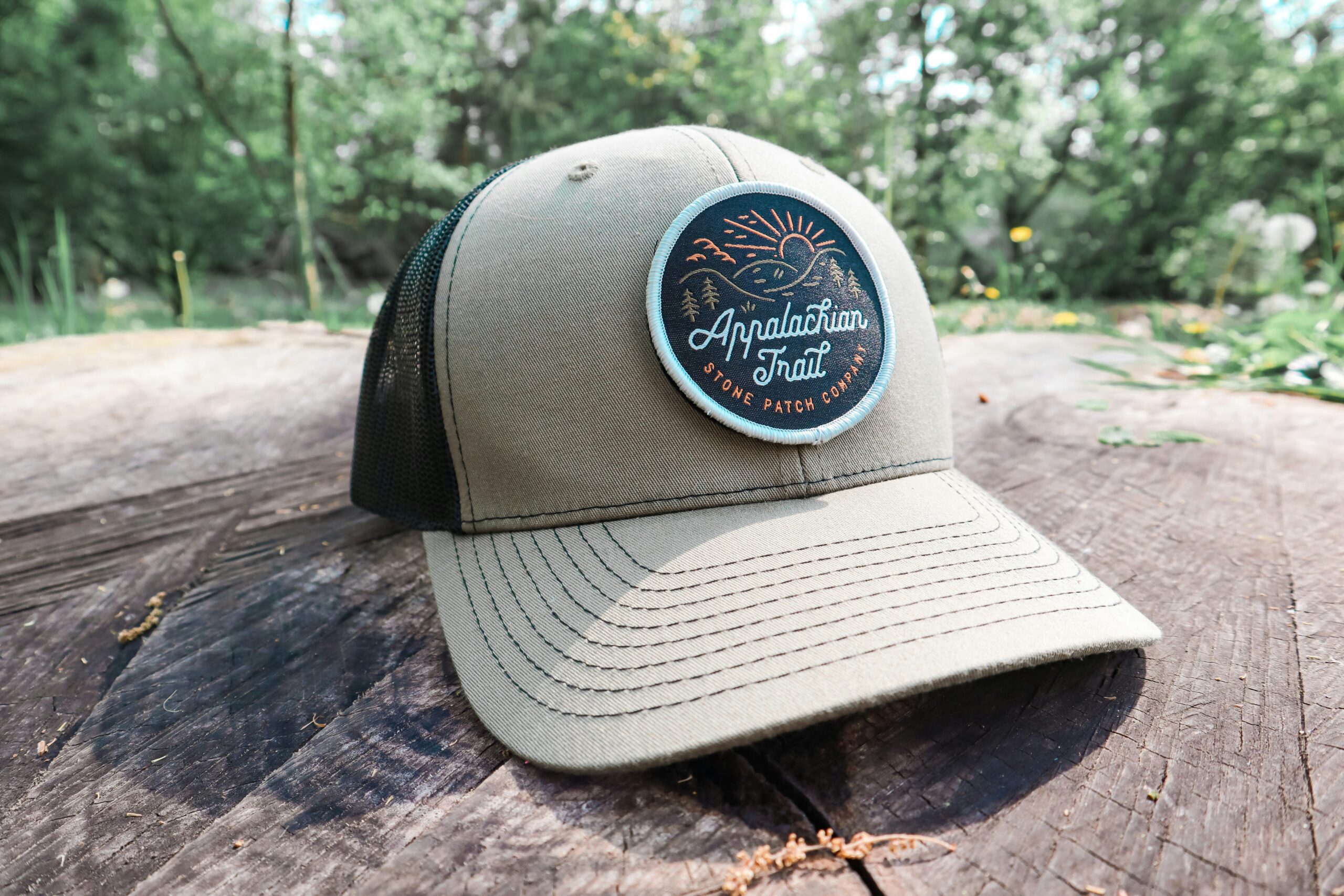
Trucker Hats
Discuss your required silhouette, materials and custom branding with our team.
Also explore baseball caps, snapback caps, bucket hats and visor caps.
Best Cap Factory in Bangladesh: FAQ
How do I choose the best cap factory in Bangladesh?
Start with a defined specification and compare relevant samples, materials, decoration quality and communication. Ask for project-specific MOQ, timing and quotation assumptions. The strongest match is a factory that demonstrates a practical solution for your order. A search position or marketing superlative alone should not determine the purchasing decision.
What should I send for a quotation?
Send the style, reference photographs, measurements, material direction, logo artwork, decoration positions, quantity breakdown, packaging and destination. Include your required arrival window. Explain which features are fixed and which are open to alternatives. A complete brief helps the factory price the same product your team intends to approve.
Can I order private label caps?
Discuss front decoration, internal labels, product codes and packaging with the team. Include these requirements before final sample approval. Confirm the available arrangement for your actual style and quantity. Supply authorised artwork and retain approved files so branding is reproduced from a clear technical reference rather than an informal illustration.
Is there one MOQ for every style?
Do not assume a universal minimum. Materials, components, colour allocation and decoration can affect the arrangement. Ask for the MOQ applicable to your specification. If the assortment is difficult, discuss available fabrics or simpler allocation and document any accepted changes. A general figure should not be treated as a promise for every order.
How should overseas buyers approve samples?
Request photographs and measurements, then arrange physical sample delivery when shape, fit or texture affects the decision. Identify the version and consolidate feedback into one authorised response. Record approved and provisional features separately. Remote images support review but cannot establish every physical property or replace a relevant inspection.
Does a logo prove certification coverage?
A logo does not confirm a certificate’s scope. Request the identifier, facility or product information, dates and scope, then verify applicability through the relevant programme. Membership, workplace assessment and material certificates answer different questions. Review evidence for your product and destination rather than treating every credential as a general quality guarantee.
How long does cap production take?
Request a schedule after the brief and sampling needs are understood. Timing depends on approvals, materials, quantity and the production arrangement. Separate development, completion, inspection, dispatch and arrival. A general estimate is not a guaranteed deadline for a different construction, assortment or transport route. Record responsibilities for each milestone.
What should I inspect on finished caps?
Review shape, alignment, seams, visor finish, decoration, closure, sweatband, labels and packing against the approved reference. Agree defect definitions in advance. When performance testing is required, request appropriate evidence separately. Visual inspection cannot establish every durability or material claim, and a sample photograph should not replace the agreed inspection plan.
Are these company images real?
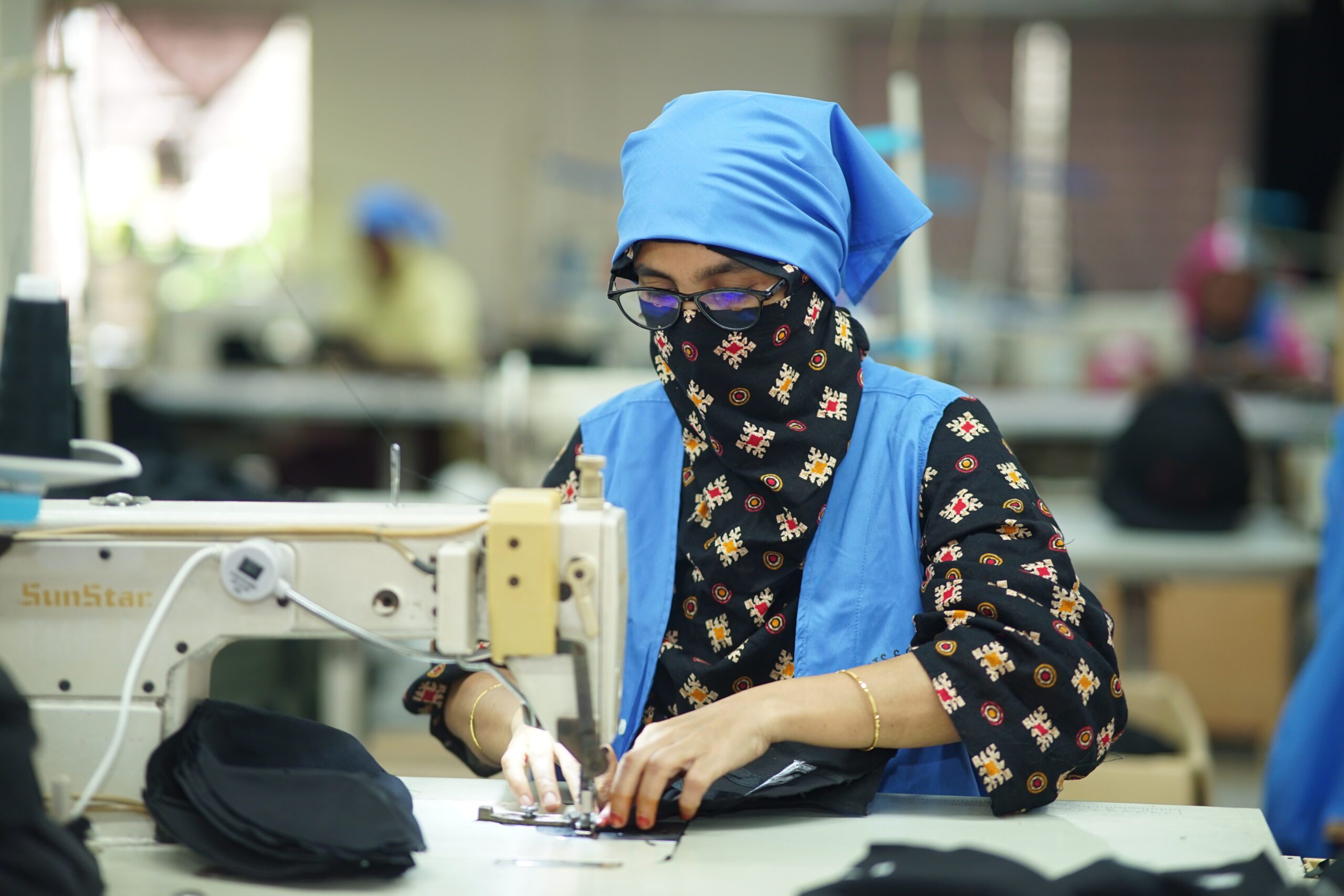
The images come from the Jalal website’s existing media library and illustrate its published company and product context. They help buyers understand the available information. Photographs do not independently establish current capacity, certificate coverage or the outcome of a future order. Request relevant project evidence through the company’s published contact channels.
How can I contact Jalal about custom caps?
Use the contact page and send your cap style, materials, branding, quantities and destination. Ask what else the team needs for a quotation and sample plan. Confirm technical references and commercial terms in writing before bulk production. Keep revisions connected to the same product code so the approved version remains clear.
Official Sources and Your Next Step
Consult the BGMEA company listing, OEKO-TEX STANDARD 100 explanation and ICC Incoterms resources. These sources explain their respective subjects and do not endorse a first-place factory ranking.
Continue with our headwear sourcing guide, credential page and responsible manufacturing information. For your project, contact Jalal Hats & Apparels Ltd. and request a quotation and sample plan against your specification.