
5 Panel vs 6 Panel Caps: a practical sourcing guide from Jalal Hats & Apparels Ltd. for brands, importers, uniform programmes and promotional headwear buyers.
Published 22 October 2026. This guide explains how to compare construction, logo placement, fit and quotations without assuming that one panel count is always better. Project specifications and approved samples should determine the final purchase.
5 panel vs 6 panel caps: buyer comparison table
This table is a decision framework, not a laboratory result or a guarantee about every design. Use it to request comparable information from a manufacturer.
| Decision | Five panel option | Six panel option | Evidence to request |
|---|---|---|---|
| Crown construction | Five crown pieces; arrangement varies by style | Six crown pieces; confirm the actual pattern | Labelled pattern or seam drawing |
| Front appearance | May offer a broad front in baseball or trucker variants | Often has a centre front seam in classic baseball variants | Front and internal sample photographs |
| Camp silhouette | A separate five panel family may be intended | Do not assume an equivalent camp shape | Side profile and reference image |
| Structure | Specify reinforcement independently | Specify reinforcement independently | Inside view and handling review |
| Decoration | Approve the actual artwork application | Review interaction with the front seam where present | Decorated sample and approved file |
| Fit | Depends on pattern, measurements and components | Depends on pattern, measurements and components | Measurement sheet and wearing check |
| Visor | Specify dimensions and delivery curvature | Specify dimensions and delivery curvature | Top, underside and side views |
| Cost | Request a project-specific quotation | Request an equivalent quotation | Same quantity, material and delivery basis |
| Quality | Panel count is not a quality grade | Panel count is not a quality grade | Approved specification and inspection plan |
| Reorders | Retain complete construction records | Retain complete construction records | Revision history and master sample |
1. Understand what the panel count describes
In a cap specification, a panel is a separate piece of material used to form the crown. The visor, sweatband, closure and internal tapes are additional components. Counting the crown pieces gives a useful starting point, but it does not explain the entire product. Two caps with the same panel count can have different silhouettes, different front constructions and very different wearing experiences. A buying brief should therefore describe the shape as well as the number.
When comparing 5 panel vs 6 panel caps, ask for front, side, back and inside photographs. Mark the seam paths on a simple drawing. This prevents a supplier from interpreting a five panel request as a different style family from the one you intended. A photograph of a cap worn on a head is helpful, but an internal view often explains the construction more clearly.
Write the agreed panel arrangement into the specification before discussing decoration. This turns a broad style preference into something that the sampling team can reproduce. Keep the reference image alongside the drawing, and identify which details are essential and which are only visual inspiration.
2. Separate five panel baseball styles from camp caps
Five panel is a construction description rather than one universal shape. A five panel baseball or trucker style may use a broad front section, while a camp style can distribute its five pieces around the crown in a different arrangement. Treating these products as interchangeable is a common source of disappointing first samples. The name alone cannot communicate the forehead shape, top profile or seam positions.
Describe the intended family in plain language. For example, request a five panel baseball silhouette with a continuous front decoration area, or request a five panel camp silhouette based on an attached side view. Add the desired crown height, visor shape and closure. These details allow the manufacturer to question an inconsistency before fabric is cut.
If your collection includes both styles, give them separate style codes. Do not reuse the same approval sheet simply because both contain five panels. Each needs its own fit check and artwork placement. The practical goal is an agreed product, rather than winning an argument about what a marketplace seller calls a particular silhouette.
3. Recognise the classic six panel front seam
Many conventional six panel baseball caps have two front crown pieces meeting at a centre seam. That arrangement creates a recognisable front appearance, but its effect on a logo depends on the material, reinforcement, seam bulk and decoration technique. A centre seam does not automatically prevent embroidery, and it does not automatically guarantee a better shaped crown.
Ask the sample team to show the centre seam from both sides. Look for balanced alignment relative to the visor centre and crown button where those features are part of the design. An off-centre seam can make a correctly positioned logo appear crooked. Photographs should be taken square to the cap, because camera angle can also create a false impression of imbalance.
Use the actual approved front construction when developing decoration. A flat fabric test cannot reproduce every interaction between a curved crown, a raised seam and the embroidery frame. Keep an undecorated sample if possible. Comparing it with the decorated version makes it easier to identify whether an issue comes from the underlying cap or the application process.
4. Choose a silhouette for the intended customer
Start with the person who will wear the cap and the setting in which it will be used. A fashion collection, a staff uniform and a promotional giveaway may need different visual proportions even when they share a logo. Neither panel count automatically communicates premium quality, sportiness or a particular age group. Those impressions come from the complete combination of shape, fabric, colour and finishing.
Prepare a short customer brief that describes the intended look. Include whether the crown should sit close to the head or appear more upright, and whether the visor should arrive flat or curved. Use reference photographs from consistent angles. A side profile is especially useful when a front photograph makes two designs appear similar.
Then compare physical samples against the brief. If a six panel cap meets your desired appearance better than a five panel option, choose it for that reason. Avoid selecting a construction simply because it is currently popular in a category. A repeatable fit and a clear brand presentation are more useful buying criteria than an unsupported trend claim.
5. Specify structure separately from panel count
Structured and unstructured caps should be treated as separate specification decisions. Reinforcement behind the front can help a crown retain a particular appearance, while a softer construction may collapse more naturally when unworn. Either approach may be suitable depending on the product brief. Panel count alone does not tell a buyer which reinforcement, if any, has been used.
Request the reinforcement material and the intended feel in the tech pack. Ask to inspect the inside of the sample and compare how the front behaves when gently handled. Photographs of an empty cap are useful, but they should be supplemented by a wearing check. A cap can look impressive on a display form and still feel unsuitable for its intended wearer.
For a fair comparison, keep reinforcement similar when evaluating five and six panel alternatives. Otherwise, you may attribute a stiff or soft result to panel count when the real cause is the front support. Record changes explicitly, because replacing reinforcement during development can affect decoration, folding, packing and the final silhouette at the same time.
6. Assess the front logo area on the actual pattern
A broad front section can be useful when a design needs an uninterrupted visual area. However, a continuous panel does not mean every part of that panel can accept decoration. The curve of the crown, the distance from the visor, nearby seams and the available equipment all limit practical placement. Avoid copying a maximum logo dimension from a different cap and assuming it will work.
Supply artwork at its intended finished size and ask the manufacturer to mark a proposed application area on the sample. Review the distance from the visor seam and from adjacent construction lines. A paper placement can support the discussion, but approve a decorated sample before releasing production. A design that looks balanced on a screen may appear too low or too wide when worn.
For small lettering or detailed artwork, prioritise legibility over filling the entire front. A simpler arrangement may give a more consistent result across a bulk order. Ask what adjustments are recommended and retain the approved version with a clear revision number. This protects the identity of the design while making production expectations understandable.
7. Test embroidery instead of assuming a winner
Both five and six panel caps can be considered for embroidery, depending on their specific construction. The useful question is whether your artwork can be reproduced cleanly on the selected cap. Fabric behaviour, thread coverage, backing, digitising and seam interactions all matter. A panel count is too broad to predict the outcome by itself.
Request an embroidery trial using the intended shell fabric and front reinforcement. If a centre seam crosses the design, inspect the stitch appearance over that area and compare it with the rest of the logo. Check small text, outline alignment, surface distortion and the reverse side. Review the cap while worn or supported in a realistic shape, rather than only pressed flat.
Do not ask for a universal stitch count or universal decoration size as a shortcut. Those values depend on the artwork and application. Instead, agree on the visible result and document the approved file. If the sample needs changes, describe them precisely: for example, improve the readability of a small word or adjust the position relative to the visor. Specific feedback is easier to implement than a request to make the embroidery better.
8. Evaluate print, transfers and patches independently
Printing, transfers and patches each introduce their own design considerations. A continuous front may simplify some layouts, but the suitability of an application also depends on surface texture, heat exposure, adhesion and crown shape. A patch can bridge a visual area, yet its edge position and attachment method still need approval. There is no single decoration method that automatically suits every five panel cap.
Provide the intended artwork, finish and application location when requesting a quotation. Ask for a sample that represents the proposed production process. Inspect edges, alignment and the appearance of the surrounding fabric. If a transfer is being considered, discuss appropriate care information with the supplier rather than assuming it will behave like embroidery.
Review the inside as well as the outside. Stitching used to attach a patch can interact with internal tapes or reinforcement. Keep one approved reference showing the complete construction. When comparing decoration options, ask for their cost and sampling implications separately so that a lower priced application is not mistaken for a lower priced cap construction. The final decision should balance appearance, practical use and repeatability.
9. Control crown depth and head circumference
A cap can have the correct adjustable circumference and still feel wrong because of crown depth or front height. This is why a panel comparison needs a fit specification. Describe where the cap should sit relative to the ears and forehead, how the opening should feel, and what adjustment range is required. Avoid relying only on a label such as adult or one size.
Measure the approved sample using a stated method. A tape placed at a different position can produce a different result, so the measurement instruction is as important as the number. Include the reference closure setting when recording circumference. For an adjustable cap, check more than one setting to see whether the intended range remains wearable.
Use several relevant wearers during development when feasible. Their feedback should identify pressure, looseness or unwanted movement rather than simply reporting that a cap feels good. For a fuller measurement workflow, consult our cap size and fit guide. Preserve the approved fit sample so later revisions can be compared against something physical.
10. Treat the visor as its own specification
The visor strongly influences the appearance of a cap and should not be left implicit in a five panel or six panel request. Shape, length, width, curvature, insert feel and visible stitching all contribute to the final result. A change in visor proportions can make two otherwise similar crowns look substantially different. Specify the intended presentation at delivery.
Ask for top and underside photographs and a side view showing the curve. If the collection needs a flat visor, say so explicitly. If it needs a curve, approve that curve on the sample. Consider how the visor meets the crown and whether its centre aligns with the front construction. Small alignment issues are often more obvious when the cap is worn.
Do not assume the customer will reshape every cap after purchase. Packaging and handling should support the approved appearance. When comparing five and six panel samples, hold visor dimensions and curvature consistent where possible. This makes the comparison more meaningful and avoids choosing a panel construction because one sample happened to have a more attractive brim.
11. Compare fabrics without changing the question
The same pattern can behave differently in cotton twill, a polyester blend, a lightweight woven fabric or a mesh combination. Material thickness, flexibility and surface texture influence shape and decoration. If one sample uses a heavy fabric and another uses a light fabric, you are comparing two variables at once. That may be useful for exploration, but it does not isolate panel construction.
Begin with a clear shell material request and ask the supplier to identify its proposed fabric. Keep colour references and material approvals linked to the style code. If an alternative is offered, record what changes and why. Do not let an unrecorded material substitution become part of the final sample simply because the colour looks similar.
For a controlled 5 panel vs 6 panel caps comparison, request the same or closely comparable fabric where practical. Then assess silhouette, seam appearance and fit. Once construction is selected, explore additional materials as separate developments. Our cap fabric selection guide explains how to organise fabric decisions without relying on unsupported quality claims or incomplete product labels.
12. Consider mesh and ventilation as separate features
A trucker cap may combine a front section with mesh side and back sections, but trucker styling does not identify one universal panel count. Five and six panel versions can both be found in commercial ranges. The amount, placement and properties of mesh should be specified directly. Do not use a panel count as a substitute for a ventilation requirement.
Ask to see how the mesh joins the front and how the internal edges are finished. Inspect the sample for shape, comfort and a consistent appearance around the seams. If ventilation is a key selling point, agree on evidence appropriate to the claim rather than inventing a performance percentage. A visual mesh construction is not the same as a measured comfort result.
Review the cap in the environment relevant to the customer where feasible. A uniform programme may prioritise a stable appearance, while a casual product may prioritise a softer feel. Include the chosen mesh and colour combination in the approval record. If you are exploring this style family, our trucker hat page provides a starting point for a product enquiry.
13. Select closures and internal comfort components
Snap closures, fabric straps, buckles and closed back constructions create different adjustment and styling possibilities. They are not determined by the number of crown panels. State the closure type, colour, placement and intended adjustment range in the brief. If a metal component is involved, ask for an appropriate specification and a sample rather than relying on a generic photograph.
The sweatband and internal seam tapes also deserve attention. They affect the contact area against the head and the neatness of the inside. Inspect where components meet, particularly around the back opening. A cap with an attractive front can still disappoint if the internal finishing feels rough or the closure sits awkwardly. Look at the whole product.
Check operation repeatedly during sample review and record any issue clearly. Do not turn a short handling check into an unverified durability claim. If your buyer has a formal test requirement, share it before costing. For ordinary development, a documented visual and functional review helps identify obvious concerns early. Approve the complete component combination together, since changing one item can alter fit, appearance or packing behaviour.
14. Use colour blocking to make panel placement intentional
Seam positions can support a design when contrasting colours are used deliberately. A six panel arrangement may create a different visual rhythm from a broad front five panel construction. That difference can be useful for a collection, but colour blocking also makes alignment and material matching more visible. The pattern and colour map need to be understood together.
Provide a labelled drawing that assigns a colour to each part. Include the visor top, underside, button, eyelets, closure, sweatband and tapes where relevant. A short phrase such as navy and white is insufficient when several combinations are possible. Use colour references and retain approved material swatches to support later review.
Examine the sample from the side and back as well as the front. Confirm that the design remains balanced when worn. If contrasting panels use different materials, review how those materials behave together and whether their appearance matches your intent. Keep the colourway identifier separate from the construction revision. This allows a factory and buyer to discuss a colour change without accidentally reopening a previously approved pattern or logo placement.
15. Build comparable quotations for both options
A useful quotation comparison holds important variables constant. Request the same quantity, fabric specification, decoration, closure, labels, packaging and delivery basis for the five and six panel alternatives. Without that control, the price difference may reflect something other than construction. Avoid declaring one panel count universally cheaper based on unrelated catalogue products.
Ask the supplier to identify what is included and what remains subject to sample approval. Separate sample charges, development work and bulk unit pricing where applicable. Specify whether artwork setup or extra decoration locations are included. An apparently low unit price may describe a simpler product than the one in your brief. Written assumptions make that difference visible before commitment.
Use our custom cap order checklist to organise the enquiry. If the quoted options differ, create a small comparison sheet and ask follow-up questions. The goal is a decision you can explain to a colleague: what you are buying, what has been approved and what could change the cost. Confirm commercial terms directly with the manufacturer rather than copying estimated prices from general online advice.
16. Develop samples through a clear approval sequence
Begin with a construction and fit sample when the shape is still uncertain. Then review the intended material and decoration combination. For a repeatable bulk order, the final approval should represent the whole product as closely as agreed, including labels and relevant packing details. A cap assembled from placeholder components cannot resolve every production question.
Identify each sample with a style code, colourway, date and revision. Mark whether it is approved, approved with stated changes or returned for revision. Keep the comments alongside photographs taken from consistent angles. Ambiguous feedback such as same as before is difficult to interpret when several versions exist. Reference the exact sample and document the next action.
When comparing five and six panel versions, review them side by side against the same brief. Do not approve a construction on one sample and decoration on another without explaining how they combine. Our custom cap sample approval guide offers a practical record keeping approach. Clear approvals reduce avoidable misunderstandings, although they do not replace appropriate production inspection or the agreed commercial terms.
17. Inspect production against the approved reference
Bulk inspection should refer to the approved cap and written specification, not to a general idea of what a five panel or six panel cap should look like. Check construction, seam alignment, front appearance, visor placement, closure operation and visible decoration. Review internal finishing and labels as well. A front photograph alone cannot show whether the product matches the complete agreement.
Define the inspection approach before production rather than after a disagreement. If your organisation uses a formal sampling plan or defect classification, share those requirements with the manufacturer. Avoid inventing a universal pass rate for every cap order. The appropriate approach depends on the purchase agreement, product risks and the buyer’s requirements.
Record findings with clear photographs and references to the relevant specification. Distinguish a material variation from a decoration issue or a construction issue. This makes corrective discussions more focused. Consult our cap quality control checklist when preparing a review sheet. The objective is consistent evidence, so both parties understand what was checked and which unresolved issues require a decision before shipment.
18. Protect the crown during packing and delivery
The approved shape needs suitable handling after production. A structured front, a softer crown and a particular visor curve can respond differently to stacking and compression. Panel count alone does not determine the ideal packing method. Ask the supplier to show how the finished caps will be nested, protected and placed in cartons, then assess the likely presentation on arrival.
Review a packed sample where practical. Unpack it and check whether the crown, decoration and visor recover to the agreed appearance. Pay attention to raised embroidery and attached patches, which may be affected by contact with adjacent items. This is a practical review, not evidence for a broad shipping performance guarantee. Record any specific packing instructions that matter to the order.
Confirm labels, quantities and carton identifiers so receiving staff can identify styles and colourways without unnecessary handling. Our custom cap packaging guide covers the associated buyer decisions. If a packing change is proposed later, evaluate it against the approved product rather than accepting it solely because it reduces carton volume. Product presentation and logistics need to be considered together.
19. Keep a reusable specification for reorders
A successful first order is easier to repeat when the construction record is complete. Save the approved pattern description, panel arrangement, measurements, fabric reference, reinforcement, artwork file, component details and packaging instructions. Include the final sample revision and photographs. The phrase repeat the same cap is not a dependable substitute for a controlled specification.
For a reorder, confirm which details remain the same and which need reconfirmation. Material availability, artwork versions and commercial conditions may change. Ask the manufacturer to identify proposed substitutions before they are incorporated. If a replacement fabric changes the shape or decoration result, review an updated sample. Do not assume an unchanged panel count means the product will be identical.
Our custom cap tech pack guide can help structure this information. Keep one approved master record rather than several conflicting documents. A clear revision history allows the buyer to trace why a component changed and which approval applies. That discipline is useful for both five and six panel caps, especially when several colours, logos or delivery batches are managed together.
20. Make the final choice with a buyer decision brief
Choose the construction that best meets the approved appearance, fit and decoration requirements at an acceptable commercial basis. A broad front five panel design may suit a particular graphic, while a classic six panel silhouette may suit another collection. Neither is automatically the premium option. The decision should emerge from equivalent samples and clear specifications rather than a generic ranking.
Summarise the decision in a short brief: selected style, intended wearer, crown shape, fabric, reinforcement, visor, closure, logo and approved sample reference. Add remaining questions before requesting production confirmation. This summary helps designers, purchasing colleagues and quality reviewers work from the same understanding. It also makes it easier to explain why an alternative was rejected.
For a project enquiry, share this brief with Jalal Hats & Apparels Ltd.. Ask for confirmation of construction feasibility, sampling steps and current commercial terms. The company images below provide business context; they are not a technical proof of a particular panel arrangement. Use an actual project sample to validate your final choice before committing to a bulk order.
Manufacturer references and how to use them
The Flexfit 6560 product specification is a concrete example of a five panel cap with a structured front and curved visor. It lists panel count, profile and closure separately. That is a useful way to organise a buying specification: avoid expecting one attribute to describe the entire cap.
The Flexfit catalogue, labelled 2024 in the document also includes five panel and six panel trucker products. These external manufacturer references illustrate product terminology only. They do not imply that Jalal manufactures those branded products, has an affiliation with those brands or uses their proprietary technology. Confirm current product information directly with the source.
The practical recommendations in this article are buyer guidance, not test results from a particular Jalal production order. Ask for project-specific evidence wherever a claim affects approval. This includes material composition, special finishes, performance requirements and any requested certification. A transparent enquiry distinguishes a design preference from a documented product requirement.
Real Factory Images and Related Products


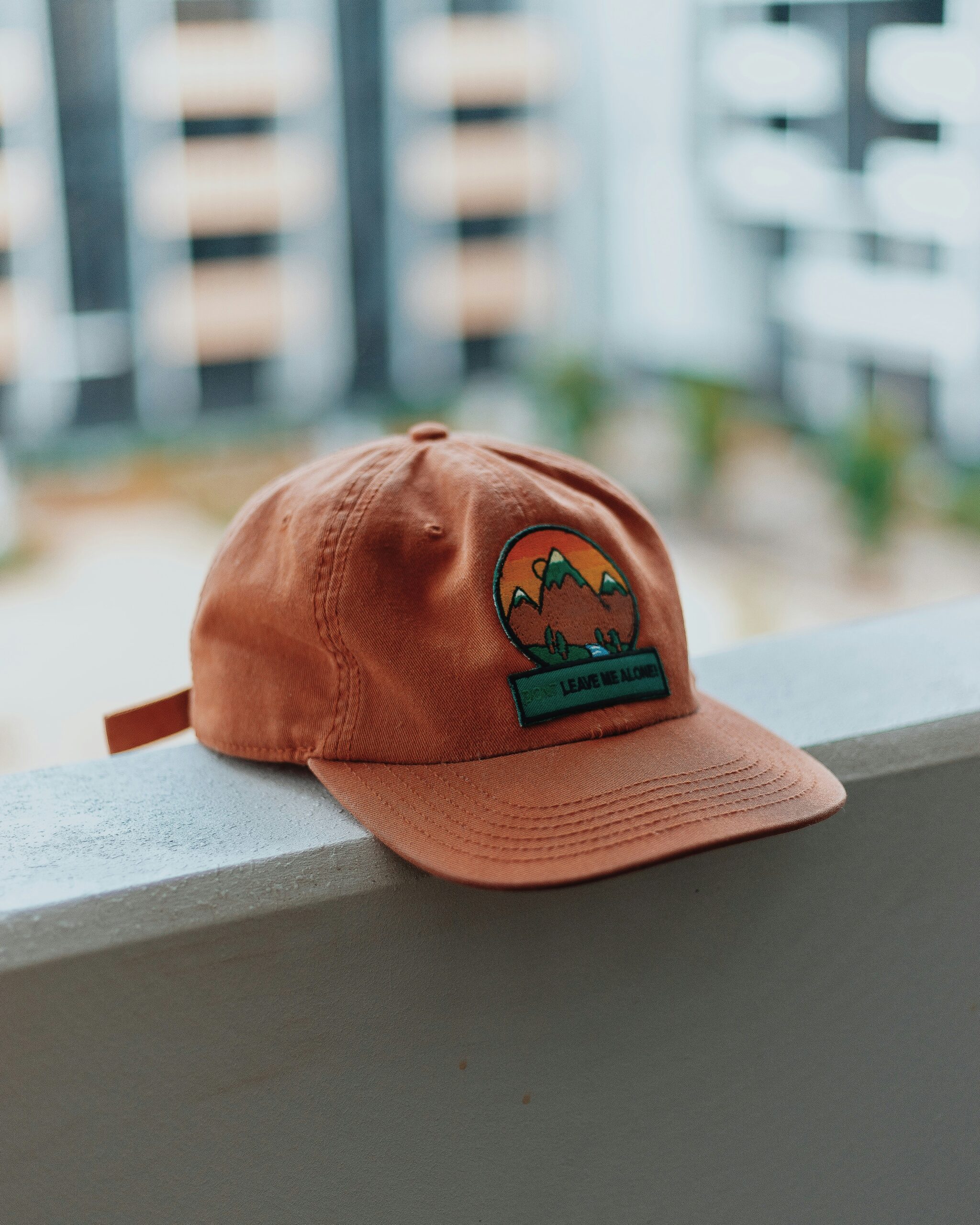
Dad Hats
Discuss your required silhouette, materials and custom branding with our team.
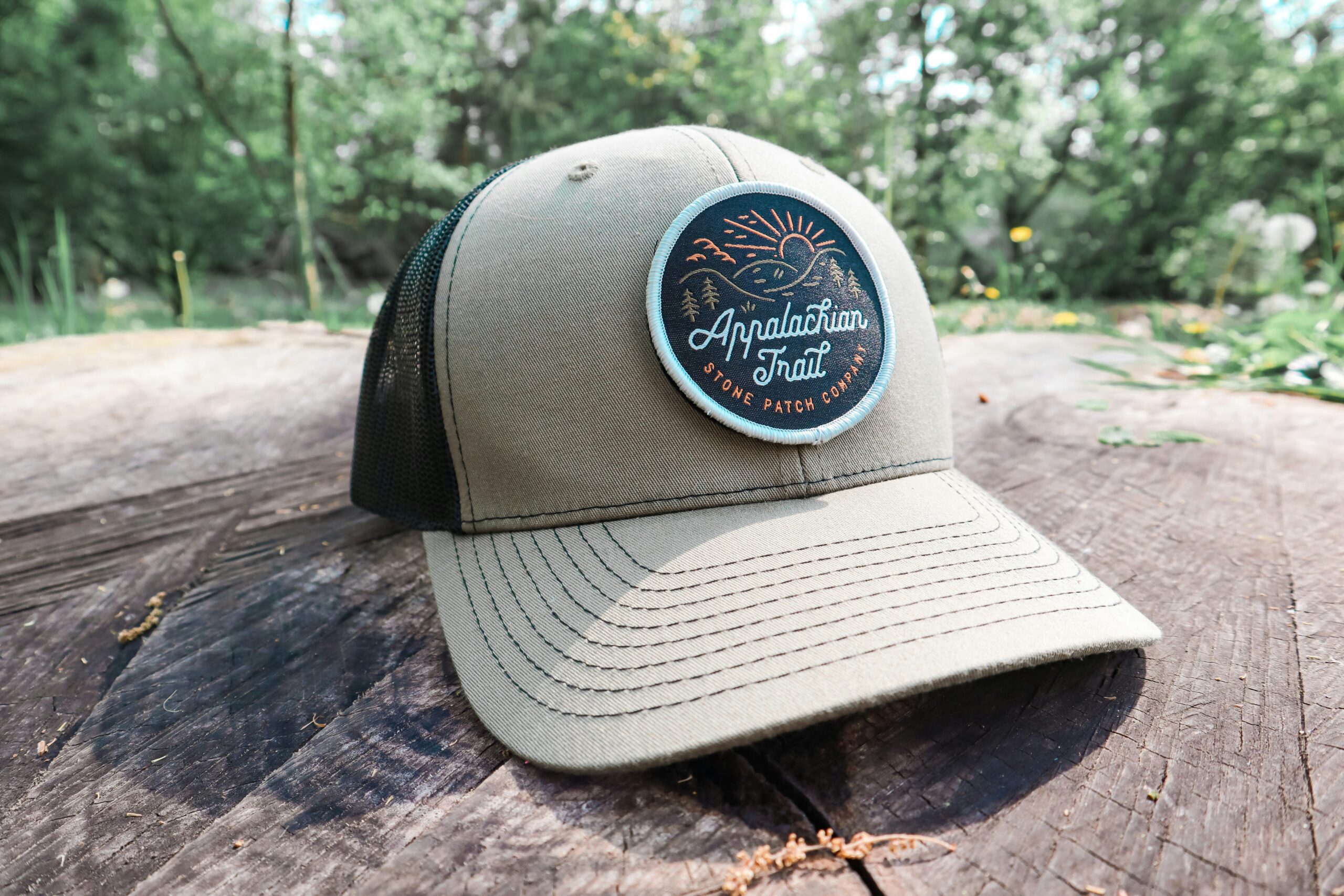
Trucker Hats
Discuss your required silhouette, materials and custom branding with our team.
Also explore baseball caps, snapback caps, bucket hats and visor caps.
Frequently asked questions about 5 panel vs 6 panel caps
What is the main difference between 5 panel and 6 panel caps?
The difference starts with the number and arrangement of crown pieces. Many five panel baseball styles have a broad front section, while many classic six panel caps have a centre front seam. However, five panel camp caps use a different arrangement. Confirm the actual pattern, shape and seam positions rather than choosing from the number alone.
Are five panel caps always better for printing?
No. A continuous front area can help some graphic layouts, but the usable area depends on crown shape, fabric, seams and application equipment. Flexfit describes its specific 6560 five panel model as suitable for screenprinting; that product example is not a guarantee for every five panel cap. Request a trial using your intended artwork and materials.
Can a logo be embroidered across a six panel centre seam?
It may be possible, depending on the artwork, seam construction, reinforcement and embroidery process. Ask for a decorated sample and inspect the result over the seam, including lettering and outlines. Approve the visible result on the actual cap. Do not assume a flat fabric trial will reproduce the same behaviour on a curved crown.
Is a six panel cap stronger than a five panel cap?
Panel count alone does not establish strength or service life. Fabric, seam construction, components, workmanship and intended use all matter. If durability is essential, define the requirement and discuss suitable evaluation with the supplier. A statement that one construction always lasts longer would need evidence specific to comparable products and their conditions of use.
Does five panel mean an unstructured cap?
No. Structure is a separate choice involving reinforcement and the intended crown behaviour. A five panel cap can have a structured front, and different six panel products can have different levels of support. Record the reinforcement and expected feel in the specification. Compare physical samples while keeping other variables similar wherever practical.
Which construction is best for a trucker hat?
Both five and six panel trucker constructions are possible. Choose based on the desired front appearance, fit, mesh arrangement and decoration rather than treating trucker as one fixed pattern. Request a clear drawing and internal photographs. Keep the mesh specification, closure and visor consistent if you want to compare the effect of panel arrangement.
Are five panel caps cheaper to manufacture?
There is no universal price rule. Quantities, fabric, reinforcement, decoration, components, sampling work and packing can all influence a quotation. Ask for equivalent five and six panel options using the same brief and commercial basis. Compare written inclusions and exclusions before attributing any price difference to the number of crown panels.
What should I send a Bangladesh cap manufacturer?
Send a reference image, panel arrangement, target fit, material request, colour references, closure choice, visor details and artwork at its intended size. Include quantities by colourway and packing expectations. Identify unresolved points openly. A manufacturer can then discuss feasibility and sampling without having to guess which features in a reference image are essential.
Do the photographs below prove a specific panel construction?
No. These are company and product context photographs from the website media collection. They are included to show relevant business and headwear context, not as verified technical examples of a five panel or six panel pattern. Request dedicated front, side, back and inside views of the actual proposed sample to verify its construction.
How do I choose between 5 panel vs 6 panel caps for a bulk order?
Compare equivalent physical samples against a shared brief for silhouette, fit, decoration, materials and cost. Record the approved version and resolve open questions before production. Keep the final specification and a reference sample for inspection and reorders. Contact Jalal Hats & Apparels Ltd. with your project details to discuss current sampling and quotation options.
Discuss your custom cap project
Share your reference images, artwork, target quantities and preferred construction with our team. Review our baseball caps and snapback caps for related product enquiries. Request current commercial terms and a sample approval plan before placing a bulk order.