
Cap Fabric Selection Guide: a practical material planning resource from Jalal Hats & Apparels Ltd. for custom headwear buyers.
Published 18 October 2026. Use this guide to prepare material questions, compare samples and organise approvals. Availability, testing, commercial terms and certification scope require confirmation for your actual project.
1. Start with the Wearer and Intended Use
A cap fabric selection guide should begin with the person who will wear the product. Before comparing swatches, describe the intended activity, season, sales channel and preferred appearance. A retail fashion cap, staff uniform and event giveaway may share a silhouette while requiring different material decisions.
Write down the priorities in plain language. You might want a relaxed surface, a clean front panel for embroidery, a lightweight feel or a firm crown. Rank these requirements so a supplier can explain the tradeoffs. Asking for the best fabric without describing the product leaves the most important decisions open to interpretation.
Consider the whole cap rather than its outer fabric alone. Sweatbands, internal supports, closures and visor components influence comfort and presentation. A promising swatch can produce an unsuitable cap when those components are chosen independently.
Use the brief as a reference throughout development. When a new material is proposed, compare it with the original purpose instead of choosing only by colour or unit price. This makes sample feedback more useful and gives your purchasing team a consistent basis for discussing alternatives with Jalal Hats & Apparels Ltd.
2. Separate Fibre Composition from Fabric Construction
Composition describes the fibres in a material; construction describes how the material is made. Cotton is a fibre, while twill describes a woven structure. Canvas and mesh refer to other material constructions or product descriptions. Treating these terms as interchangeable can create an unclear purchase specification.
Ask for the proposed composition and construction separately. A request for twill alone does not establish whether the material is cotton, polyester or a blend. Likewise, asking for cotton does not define thickness, texture, firmness or finish. Your approved reference should identify the specific material that produced the sample.
This distinction matters when comparing quotations. Two offers may both mention cotton caps but include different fabrics, supports and finishes. The description should be detailed enough for the buyer to understand what is being compared.
Keep a labelled swatch with the specification. Record the supplier reference, colour and revision so the team can reconnect the physical material with its description. Do not infer a precise composition from touch or a photograph. Where composition verification is required, agree suitable evidence with a qualified testing provider and identify the actual material being assessed.
3. Evaluate Cotton Twill as a Development Option
Cotton twill is a useful starting point for discussing many casual cap designs, but the name does not define one universal quality level. Review the actual swatch and finished sample. Different yarns, weights and finishes can create noticeably different results even when the composition and weave description sound similar.
Examine the surface next to your artwork. A visible texture can be part of the desired character, while a different surface may be preferred for fine decoration. Ask for an embroidery or printing trial on the proposed material rather than judging the artwork on an unrelated sample.
Consider the crown construction at the same time. A relaxed cap and a supported front panel can use materials that appear similar in a swatch book yet behave differently once assembled. Review the complete silhouette from several angles.
Record the approved reference and any finish in the order specification. If a material substitution becomes necessary, request a new comparison rather than assuming another cotton twill will be equivalent. The most helpful buying decision is approval of a defined material in a defined cap, supported by the appearance and handling you actually reviewed.
4. Review Polyester without Assuming Performance
Polyester fabrics can be considered for different headwear projects, but fibre identity alone does not prove a performance claim. A polyester cap is not automatically moisture managing, water resistant or suitable for every sporting activity. Construction, finishes and the complete product all affect its behaviour.
Ask which characteristics the proposed material is intended to provide. Separate visible qualities, such as surface appearance and colour, from properties that need testing. If a specific performance statement will appear on the product page, identify the evidence needed before approving the wording.
Compare the material in a finished sample. Review how it folds at seams, holds the intended shape and interacts with embroidery or a patch. A swatch may look smooth while the assembled crown reveals puckering or an unexpected sheen.
Use this cap fabric selection guide to prepare questions rather than a universal ranking of fibres. The right option is the one that meets the agreed brief. Record material references and trial results so later purchasing decisions are based on the same evidence. Confirm availability and commercial terms directly for the actual project instead of assuming all polyester options are interchangeable.
5. Use Blends to Answer a Specific Product Need
A blended fabric combines fibres, but the word blend does not explain its exact content or performance. Ask for the proposed percentages and material reference. Avoid accepting a generic description when the product specification or customer communication requires more detail.
Start by identifying why the blend is being considered. It may be proposed for appearance, handling, availability or another design requirement. Request a sample that demonstrates the intended benefit in the finished cap. This is more informative than treating a blended material as automatically superior to a single fibre option.
Review how the fabric coordinates with the cap components. The outer crown, visor covering and closure should produce the approved overall appearance. If these parts use different materials, identify each separately rather than applying one broad composition description to the entire product.
Compare quotations using the same approved reference. A change in blend can affect the sample and should be evaluated before production. Keep the decision with the artwork and construction record. This helps the team distinguish a deliberate material revision from an unapproved substitution and makes repeat orders easier to discuss when the original fabric is no longer available.
6. Assess Canvas for the Intended Silhouette
Canvas can offer a distinct visual character, but the product name covers a range of materials. Do not equate the term with a fixed weight, composition or durability level. Request the specific swatch and examine it alongside your desired cap shape.
Consider bulk at panel junctions and around the visor attachment. A material that feels appealing as a flat swatch may create a different assembled profile. The sample should show whether the design retains the proportions and comfort you intended.
Review decoration early. A textured surface may influence how small lettering or a fine printed detail appears. The appropriate response could involve changing artwork, adjusting the decoration method or selecting a different material. Make that decision through a trial instead of relying on a digital mockup.
Ask how the proposed canvas will be finished and whether the finish is represented in the sample. Record the approved colour and surface reference, particularly if a washed or casual appearance matters. Avoid using a rugged aesthetic as proof of tested strength. If a measurable property is important to the brief, define it separately and obtain appropriate supporting evidence for that actual material.
7. Match Mesh Panels with the Front Construction
Mesh is often considered when developing a trucker style, but it should be specified as carefully as the front fabric. Review its visual openness, feel, colour and relationship to the remaining panels. A front swatch and mesh sample should be approved together.
Inspect the joining areas in the finished cap. Seams and internal finishing can affect comfort, while differences in material behaviour can influence the silhouette. Confirm that the sample represents the proposed combination rather than a convenient substitute used only for presentation.
Think about the artwork location. A large front decoration and a small side logo may require different development decisions when the side panel is mesh. Ask which locations are practical for your design and review the actual result before authorising bulk work.
Describe the mesh by its identifiable reference and composition where available. Avoid assuming that every open construction provides the same comfort or measured ventilation. The buyer should approve the complete cap for its intended use. For related style options, review the company trucker hat page and send your panel arrangement, artwork and preferred closure with the enquiry.
8. Consider Nylon and Other Lightweight Options Carefully
A lightweight material can be appealing for a travel or active inspired collection, but low weight should not be the only selection criterion. Review opacity, surface feel, seam appearance and the way the crown moves when handled. A very light swatch may need a different construction to achieve the desired shape.
If nylon or another technical looking material is proposed, ask for its composition and reference. Technical appearance does not establish tested performance. Any claims about protection, drying or resistance should be supported by evidence appropriate to the actual product.
Check the decoration trial at an early stage. Material, finish and application method must work together. A logo that looks satisfactory on a heavier cotton sample may not produce the same result on a different lightweight fabric.
Include the visor and internal parts in your review. Weight saved in the crown alone does not describe the complete cap. Ask the manufacturer to explain the proposed combination, then assess a representative sample. Keep the approved reference available for inspection so purchasing and quality contacts are evaluating the same material and construction throughout the order.
9. Choose Texture with Artwork Readability in Mind
Texture is part of a cap’s identity. A smooth, brushed, ribbed or visibly woven surface can change how the same colour and logo appear. Decide whether the fabric should act as a quiet background or become a prominent design feature.
Review artwork at its actual production size. Small lettering and fine borders can become difficult to read when texture competes with the decoration. A larger logo, simplified detail or different application may suit the material better, but those changes need brand approval.
Ask for photographs that show both the full cap and the close detail. A closeup can reveal surface interaction, while the full view shows whether the logo communicates clearly at a normal viewing distance. Keep both with the approved sample record.
Do not choose texture only from an online image. Lighting and image processing can exaggerate or conceal the surface. Request physical references where the decision matters. This cap fabric selection guide encourages comparison in context: the fabric, artwork, colour, shape and finish should be reviewed as one product rather than approved in separate conversations that never meet.
10. Understand Fabric Weight as One Part of the Brief
Fabric weight can help identify a material, but it is not a complete quality score. Two fabrics with similar stated weight may differ in firmness, texture, construction and finish. A heavier fabric is not automatically the right choice for a premium cap.
Ask how the proposed weight relates to your intended silhouette. A relaxed dad hat, structured baseball cap and fashion bucket hat can involve different design priorities. Compare the finished result instead of transferring a material specification from one style to another without review.
Keep units and references consistent when discussing measurements. If a quotation includes a weight figure, confirm what it describes and whether it belongs to the sample material. Do not compare figures that refer to different conditions or product components.
Use handling and sample evaluation alongside the written specification. Record the preferred feel and appearance with a retained reference. If a measurable material requirement is essential, agree the method and tolerance with the appropriate parties. This produces a more useful specification than an isolated number and helps the manufacturer propose alternatives that preserve the qualities your buyer actually approved.
11. Coordinate Fabric with Structured or Relaxed Crowns
The outer fabric does not act alone when shaping a crown. Internal support, panel design, seams and finishing influence whether a cap appears firm or relaxed. Discuss these elements together before judging a swatch as suitable or unsuitable.
Show the manufacturer a clear silhouette reference. Identify the crown height, front appearance and preferred side profile. Explain which parts of the reference matter rather than assuming a photograph communicates every construction detail.
Review the sample after normal handling and in the agreed presentation condition. A cap packed flat can look different from one displayed on a form. Consistent conditions make comparison fairer and help separate temporary packing effects from construction differences.
When you approve a fabric, confirm the supporting components used in the sample. Otherwise the same outer material could be assembled into a noticeably different cap later. Record the combination as part of the specification. For a relaxed style, review the dad hat options; for a supported silhouette, discuss baseball or snapback construction directly with the team. Project specific sampling should establish the final choice before the bulk order proceeds.
12. Approve Colour across Fabric and Components
A colour name is rarely enough to define the entire cap. Crown fabric, visor covering, thread, mesh and closure may reflect light differently even when each is described as the same shade. Review the components together as an intended colourway.
Use identifiable references and consistent viewing conditions. A photograph is useful for communication, but screens and lighting can change the perceived result. Where close matching matters, ask for physical references and clarify the decision process before production.
Distinguish intentional contrast from an unwanted mismatch. A dark closure on a lighter crown may be a design decision; it should appear in the approved brief. The inspection team needs to know which combinations are accepted for each product code.
Retain the approved colourway with the material reference. If fabric availability changes, request a review of the complete combination rather than checking only the replacement crown swatch. A change that seems minor in isolation can affect the whole product. Clear approvals are especially helpful for repeat orders and coordinated collections, where buyers may compare new caps with earlier goods rather than with the current development sample.
13. Trial Embroidery on the Proposed Fabric
Embroidery should be developed on the actual proposed material whenever the fabric decision matters. The cap surface, support and panel shape can influence the finished appearance. A flat digital graphic cannot show every interaction between stitches and fabric.
Review placement, scale, lettering and the surrounding surface. Look for an approved balance between the logo and the crown rather than judging only whether the artwork file was followed. The trial may identify details that need simplification or a placement adjustment.
Ask whether the trial uses the same material and construction intended for production. If a substitute was used, record that limitation and arrange the relevant confirmation before bulk approval. An attractive trial on another fabric should not silently become the acceptance reference.
Keep artwork versions controlled. If a design changes during sampling, label the approved version and remove ambiguity from the order brief. Refer to the custom embroidered caps guide for additional development questions. The fabric approval and embroidery approval should connect to the same product code so the manufacturer and buyer understand exactly which combination has been accepted.
14. Review Printing and Patch Applications Separately
Printing and patches create different relationships with the fabric. A printed design interacts directly with the surface and finish, while a patch introduces another material and an attachment method. Do not approve both through a single generic logo instruction.
For printing, assess the actual trial for appearance, coverage, placement and handling. If wash or rubbing performance matters, agree suitable evaluation with the relevant specialist. Visual acceptance alone does not establish every durability property.
For a patch, review its edge, thickness, colour and position after attachment to the cap. The patch may look different on a curved panel from how it looked on a flat desk. Check the inside of the cap as well as the front presentation.
Record each application by product and location. If a collection combines an embroidered front with a printed side detail, both require identifiable references. Ask the team which methods are practical for the proposed fabric and quantity. Use the trial results to make the decision rather than assuming every decoration technique works equally well across all materials, finishes and panel constructions.
15. Verify Recycled or Organic Material Claims
Recycled and organic descriptions require more than a visual impression. A fabric can look natural or have a familiar texture without establishing a verified content claim. Ask what evidence supports the exact wording proposed for your product.
Textile Exchange publishes standards and claim guidance addressing certified materials and chain of custody. Buyers should consult the applicable current requirements and certification contacts when planning a standard related claim. A general supplier statement is not interchangeable with evidence covering the actual product and supply chain.
Keep the claim precise. Identify the material, content and relevant scope rather than describing an entire cap with a broad environmental adjective. Components such as closures, embroidery and internal supports may need separate consideration when writing a product description.
Do not place certification marks on artwork simply because they appear on a sample webpage or brochure. Confirm eligibility and approval through the appropriate process before using them. This article does not certify Jalal products or promise that a proposed material meets a particular standard. Discuss availability and supporting documents for your project, then align customer facing wording with the evidence actually provided.
16. Plan Care and Testing before Writing Product Claims
Care instructions should reflect the finished cap and its materials. Outer fabric, decoration, visor components and internal supports may respond differently to treatment. Avoid copying a care statement from another product merely because the fibre description appears similar.
Ask how the proposed instructions will be established. If the collection requires testing, identify the relevant product, method and acceptance requirements with a suitable laboratory or technical adviser. Keep test evidence linked to the material and construction that were assessed.
Separate a design intention from a verified claim. Wanting a cap for outdoor use does not itself establish sun protection, water resistance or colourfastness. Marketing language should follow the evidence and the destination requirements applicable to the actual product.
Review labels and ecommerce copy before production approval. This gives the team time to resolve unsupported statements and prevents packaging from being printed around assumptions. A clear record should show what was checked, what remains pending and who approves the final wording. The cap fabric selection guide is a development framework; project specific testing and claim review must address the goods you intend to sell.
17. Compare Quotations on an Equivalent Specification
Material comparisons become misleading when quotations describe different products. One offer may use a different crown fabric, support, decoration or packing arrangement. Ask for an itemised description that makes these differences visible before deciding which price represents better value.
Send the same brief to each prospective supplier. Include the style, material reference, colourways, artwork locations, quantities and packing requirements. Identify whether you are requesting a development estimate or a quote based on a fully approved sample.
When an alternative fabric is suggested, ask why. Availability, appearance and commercial considerations can each be relevant, but the substitution should be explained. Review how it affects the whole cap instead of considering only the stated saving.
Do not treat an illustrative online price as a current factory commitment. Confirm currency, quantity basis, sample arrangements and the scope of the actual offer directly. Keep approved revisions with the quotation so the purchasing team can see which material was priced. An equivalent comparison supports a more informed decision than selecting the lowest number from descriptions that never defined the same cap.
18. Prepare a Material Approval and Inspection Record
An approval record connects the swatch, sample and order specification. Give the material an identifiable reference and record the product codes using it. Include colour, composition information, construction description and the approved finish where relevant.
Retain enough evidence to resolve later questions. A labelled physical swatch and representative sample can be more useful than a long message thread containing several unlabelled photographs. Record whether the material was approved for appearance only or whether separate testing evidence was also reviewed.
Make changes visible. If a new fabric replaces the original, identify the revision and obtain the required approval before production uses it. Do not leave the inspector to infer which reference is current.
Use the company cap quality control checklist as a companion to this guide. Inspection should compare goods with the agreed product rather than introduce new design preferences at dispatch. Share the approval record with the people responsible for purchasing, sampling and quality decisions. A practical record is concise enough to use while still clear about the material, product and decision it represents.
19. Evaluate Packing and Repeat Order Consistency
Fabric choice also affects how a cap presents after packing and handling. Review the finished sample in the proposed packing arrangement. Check whether nesting, folding or compression changes the appearance in a way your customer would find unacceptable.
Discuss protective measures appropriate to the design. A firm crown and a relaxed cap may require different presentation choices. Packing should be approved with the product rather than added as an afterthought once the fabric and construction have already been fixed.
For repeat orders, keep the original material reference and identify any accepted variations. Ask about current availability before assuming the same fabric can be obtained indefinitely. A revised material should be reviewed even when the product name and colour description remain unchanged.
Use receiving feedback to improve the next brief. Record whether an observation relates to material, construction, packing or handling, and provide clear photographs and product codes. This helps the manufacturer investigate the actual concern. Consistency comes from maintaining agreed references and reviewing changes, rather than expecting a generic fabric name to preserve every characteristic across future purchases.
20. Build a Clear Fabric Enquiry for Jalal Hats
A useful enquiry makes the next discussion specific. Tell Jalal Hats & Apparels Ltd. which cap style you want, who will wear it and which characteristics matter most. Include quantities by colourway, artwork files, preferred decoration locations and destination information.
Attach reference images with short explanations. Identify whether each image illustrates fabric texture, crown shape, logo position or colour. A single photograph may combine features that cannot be assumed from appearance alone, so mark your priorities clearly.
Ask for proposed material options and a representative sample process. Confirm which elements require physical approval, what information the quotation includes and which requirements remain open. Product availability, minimum quantities, prices and schedules should be confirmed directly for the actual order.
Use this cap fabric selection guide as a discussion aid alongside the company product pages and inspection guidance. The aim is a coherent approved cap: material, shape, decoration, comfort, packing and product information working together. Contact the company through its published contact page to discuss your brief. Keep the resulting approvals in one current record so development decisions remain understandable when the project moves into production and future reorders.
Cap Fabric Selection Guide: Comparison Table
The table summarises development questions. It is not a measured ranking of fabrics or a promise of product performance. Compare actual samples against your intended cap brief before selecting a material.
| Material direction | Possible discussion context | Confirm before approval |
|---|---|---|
| Cotton twill | Casual cap development | Exact composition, finish and decoration trial |
| Polyester | Different fashion or active inspired briefs | Specific fabric properties and supporting evidence |
| Blended fabric | A defined appearance or handling requirement | Composition percentages and approved reference |
| Canvas | A textured visual direction | Bulk at seams and finished crown shape |
| Mesh | Trucker style panel combinations | Mesh identity, joining and artwork locations |
| Lightweight alternatives | Travel or lightweight design briefs | Opacity, construction and actual claim evidence |
Real Factory Images and Related Products


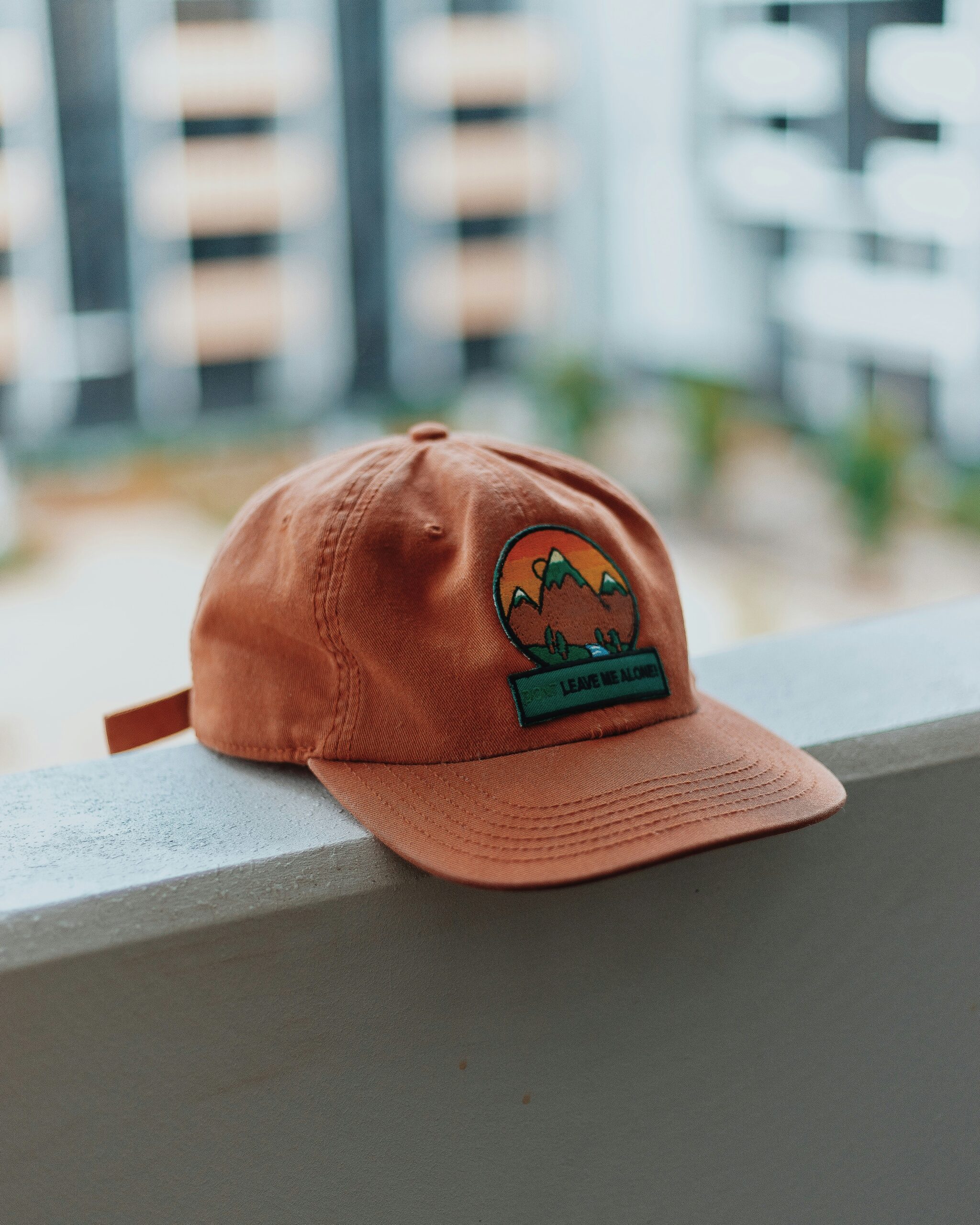
Dad Hats
Discuss your required silhouette, materials and custom branding with our team.
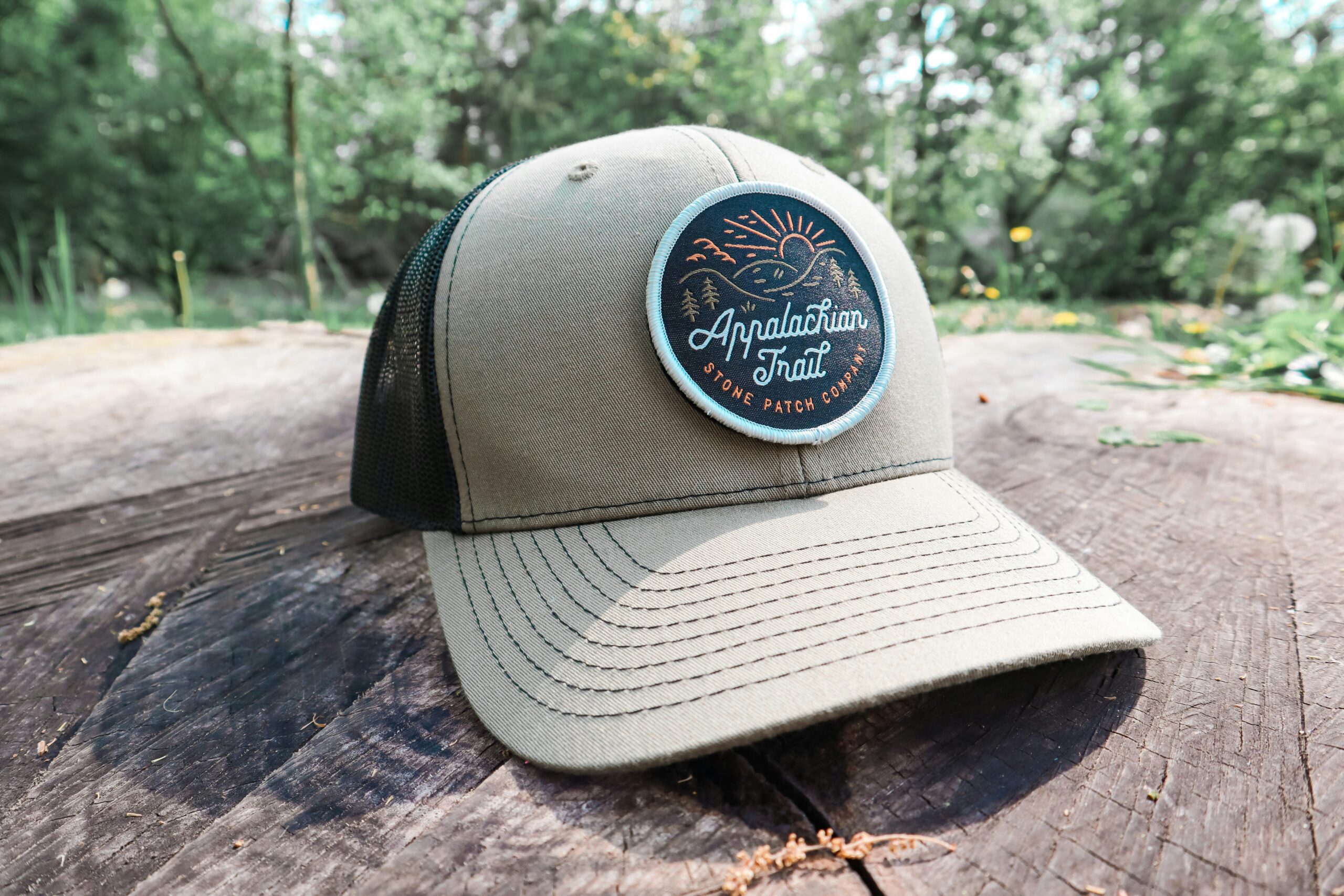
Trucker Hats
Discuss your required silhouette, materials and custom branding with our team.
Also explore baseball caps, snapback caps, bucket hats and visor caps.
Frequently Asked Questions
What is the best fabric for a custom cap?
The best option depends on the intended wearer, silhouette, decoration and product requirements. Compare representative samples rather than choosing by fibre name alone. Ask how the proposed fabric works with internal support, sweatband, closure and visor. Approve the complete cap and retain its material reference for the actual order.
Is twill the same as cotton?
No. Cotton identifies a fibre, while twill describes a woven structure. A twill fabric may have different compositions, weights and finishes. Request the exact material description and a labelled swatch. A purchase brief that says only cotton or only twill leaves important aspects of the proposed fabric undefined.
Does heavier fabric mean a better cap?
Weight is one selection factor rather than a universal quality ranking. A heavier option may produce an unsuitable result for a lightweight or relaxed design. Review the actual material in the intended construction. Assess its appearance, handling and comfort alongside the written specification instead of choosing from weight figures alone.
Can the same embroidery work on every fabric?
The result can change with texture, finish, support and panel construction. Trial the artwork on the proposed fabric and assess it at production size. Fine lettering or complicated detail may require an approved adjustment. Keep the successful trial linked to the current artwork version and cap material reference.
How should buyers choose material for a trucker hat?
Review the front fabric and mesh together. Consider their colour relationship, joining areas, internal comfort and intended crown shape. Confirm artwork locations because a side mesh panel can require a different decoration decision. Approve a representative finished cap rather than treating the front swatch and mesh as unrelated purchases.
Is polyester automatically a performance fabric?
No. Fibre identity alone does not verify moisture management, water resistance or other performance properties. Ask what the proposed material is intended to do and which evidence supports any customer facing claim. Review a finished sample for visible qualities and arrange appropriate separate testing when a measurable requirement matters.
How can recycled material claims be checked?
Ask for evidence supporting the exact material and claim proposed for the product. Consult current standard owner guidance and the relevant certification contact where certification language or marks are involved. Keep scope and product references clear. A recycled description or a logo in a brochure does not independently establish eligibility for every order.
Should fabric approval happen before bulk production?
Yes, agree the applicable material and representative sample before authorising bulk use. Record unresolved items and identify who can approve substitutions. Keep a labelled swatch, current specification and artwork reference together. If the proposed fabric changes, review the effect on the assembled cap and obtain the necessary approval.
Can an approved fabric change on a repeat order?
Availability and proposed materials should be reconfirmed for a repeat order. A familiar product name does not establish an identical fabric. Compare any alternative with the retained reference and sample. Record accepted changes as revisions so the buyer, manufacturer and inspection contact share the same current expectations for the new goods.
What should I send with a cap material enquiry?
Send the intended style, wearer, quantities by colour, reference images, artwork and decoration locations. Explain which appearance and handling features matter most. Ask Jalal Hats & Apparels Ltd. to confirm proposed options, sampling arrangements and quotation scope for your project. Keep requirements and subsequent approvals linked to an identifiable product code.
Further Reading and Company Resources
Explore the CottonWorks material library for examples of material variety. Review Textile Exchange recycled material standards information and its labeling and standards claim guidance when discussing verified material claims. These educational resources do not establish certification of any product shown here.
Continue with our cap quality control checklist, embroidered caps development guide and private label caps guide. Learn about Jalal Hats & Apparels Ltd. or contact the team with your material and sample requirements.