
Custom Cap Sample Approval is the point where an idea becomes a defined production reference. This practical guide from Jalal Hats & Apparels Ltd. helps headwear buyers organise sample reviews, artwork decisions and approval records before bulk production.
Published 18 October 2026. The steps below are a planning framework. Confirm your project’s actual sampling sequence, available materials, charges and schedule directly with the company. The fictional example is illustrative and does not report a customer order.
1. Define What the Sample Must Establish
Custom cap sample approval begins with a clear question: what decision will this particular sample support? A development sample may help assess shape, while a later sample may represent the proposed materials and decoration for production. Name the purpose before requesting the cap so everyone understands its limitations.
Describe the intended wearer, sales channel and appearance. Explain whether the priority is a relaxed crown, a firm front panel, a prominent logo or another product characteristic. A supplier can respond more usefully to a defined brief than to an instruction to make something premium.
List any elements that are still open. If the exact closure or fabric colour has not been selected, record that fact rather than allowing a temporary choice to become an accidental approval. The sample should move the project toward a decision without concealing unresolved details.
This guide is an educational framework from Jalal Hats & Apparels Ltd., not a statement that every project uses an identical sampling sequence. Confirm the actual stages and commercial arrangements with the team. The objective is a shared understanding of the product before production decisions are made.
2. Prepare One Current Product Brief
A useful sample brief brings the relevant information into one current record. Include the cap style, material direction, colourways, quantities, artwork locations, closure preference and packing expectations. Give the product an identifier that can follow it through sampling and production.
Reference images need short explanations. One image might illustrate crown height, another the texture and a third the logo location. Without those explanations, a manufacturer may reasonably interpret a reference differently from the designer who selected it.
Identify the person responsible for maintaining the brief. Several team members may contribute, but conflicting instructions should be resolved before they reach the sampling contact. A single current version reduces uncertainty when feedback arrives through different channels.
Custom cap sample approval works best when the buyer can point to a requirement and the sample response beside it. Keep earlier versions for context, but label the active one clearly. If an essential feature changes, issue a revision rather than adding an isolated message that can be missed. This gives the manufacturer a coherent target and makes later approval decisions easier to explain.
3. Agree Sample Scope, Charges and Timing
Before development starts, ask what the sample arrangement includes. Confirm which styles, colourways and decoration locations will be represented. Clarify whether the proposal covers a physical sample, preliminary artwork review or another agreed deliverable.
Discuss charges, shipping arrangements and the expected sequence directly. There is no universal sample price or lead time applicable to every custom cap. Material sourcing, artwork changes and the number of revisions can influence the actual arrangement. Keep confirmed terms with the project record.
Ask how changes will be handled. If you replace the fabric or add another logo after the initial request, the scope may need review. A clear discussion at this stage is more practical than assuming every later variation is included.
Separate the desired launch date from a confirmed production plan. Work backward through sample review, corrections, approvals and the remaining order steps, allowing the relevant parties to confirm their responsibilities. Do not present an illustrative schedule as a factory commitment. The sampling discussion should establish realistic next actions and identify which information the buyer must provide before the team can progress.
4. Control Artwork Versions and Permissions
Artwork should be identifiable, complete and suitable for review. Send the clearest available files and identify the intended dimensions and locations. Where a logo contains small lettering or fine detail, flag the elements that must remain recognisable.
Keep a version identifier on revised artwork. A sampling contact should not need to guess whether the file in the latest message replaces the one approved yesterday. State which version is current and explain any changes that affect placement, colour or proportion.
Use only artwork the buyer is authorised to reproduce. A reference cap with another brand’s logo can illustrate a silhouette without authorising that branding for a new order. Keep the style reference separate from the actual production artwork.
Custom cap sample approval should connect the physical decoration with the correct file. If a design must be simplified for a practical result, request a visible trial and brand approval. Do not allow a discussion about manufacturability to become an undocumented artwork change. Retain the approved file, trial photographs and product code together so future reviews refer to the same design.
5. Approve Materials through Identifiable References
The outer fabric and supporting components should be identified before they are treated as approved. Ask which material references were used in the sample and whether any are temporary substitutes. A visually attractive cap does not establish the exact composition of its materials.
Review fabric texture, feel and appearance with the intended construction. A swatch can help compare options, but it does not show every effect of sewing, internal support and decoration. Approve the relevant combination in a representative cap.
Record mesh, sweatband, closure and visor components separately where they differ. A broad description such as cotton cap should not replace the information needed to recognise the approved product. Use the fabric selection guide as a companion when preparing material questions.
If a material changes during development, review the consequences. It can affect the silhouette, decoration and overall presentation even when the colour name remains the same. A custom cap sample approval record should make the accepted reference and remaining limitations visible. Ask the manufacturer to confirm availability for the intended order instead of assuming a sample material will remain available indefinitely.
6. Review the Complete Crown Silhouette
Assess the assembled cap from the front, sides and back. The crown is more than a collection of individual dimensions; panel arrangement, support and sewing combine to create its profile. Compare the result with the intended style reference.
Use consistent presentation conditions. A cap displayed on a form can look different from one compressed during shipment. Agree how the sample will be handled for review so feedback does not confuse temporary packing effects with a construction issue.
Describe observations precisely. Instead of saying the shape is wrong, identify the front height, side profile or panel junction that differs from the brief. A marked photograph can help the sampling team understand the concern.
Avoid requesting unrelated changes simultaneously without explaining their priority. Altering fabric, support and crown proportions together may make it difficult to identify which change improved the result. Decide what needs correction, record the revised requirement and review the next sample against it. The aim of custom cap sample approval is an identifiable final silhouette, not an endless sequence of preferences that were never included in the product brief.
7. Establish Measurement Points and Fit Conditions
Measurements need an agreed method. Identify where circumference, crown depth, visor width and other relevant dimensions are taken. A diagram or marked photograph helps reviewers use the same points rather than interpreting a label differently.
For an adjustable cap, record the closure position during measurement. If multiple sizes are proposed, specify which reference belongs to each. A measurement without these conditions can create disagreement even when both reviewers are recording their results carefully.
Agree appropriate tolerances for the actual construction and product requirements. Do not copy numbers from an unrelated cap and assume they define your order. The buyer and manufacturer should understand both the target and how it will be assessed.
Include wearer feedback where fit is important. A dimension table supports comparison, but it does not fully describe the experience of wearing the cap. Review crown proportions and internal comfort as part of the complete sample. Keep those observations separate from measured results so the approval record explains what was checked and how. A clear method supports later production inspection and makes repeat order comparisons more meaningful.
8. Evaluate Visor Shape and Proportions
The visor changes the visual balance of the entire cap. Compare its curve, width, length and relationship to the crown with the approved design direction. Review the cap at normal viewing angles rather than relying only on an isolated closeup.
Identify whether the intended visor is flat, curved or otherwise shaped. A sampling team should not need to infer this from a reference photograph taken at an ambiguous angle. Include the relevant dimensions and visible requirements in the brief.
Inspect the attachment and the transition between crown and visor. The assembled relationship can affect appearance even when an individual dimension matches the specification. Record the location of any concern so the team can investigate the appropriate component or construction.
If the buyer proposes reshaping the visor during review, explain that condition in the approval record. The production reference should represent what the parties have actually agreed to supply. Do not use a personally altered sample as an unexplained comparison later. Custom cap sample approval should leave a practical reference for both manufacturing and inspection, including how the cap should appear before additional wearer handling.
9. Inspect Decoration at Production Size
Embroidery, printing and patches should be reviewed at their intended size and position. Digital artwork is useful for planning, but the physical result on a curved cap can reveal issues that a flat screen preview does not show.
Check spelling, orientation, proportion and the relationship to seams. For embroidery, assess readability and the surrounding surface. For a patch, review its edge and attachment after it is applied rather than approving only the unattached component.
Compare the trial with the current artwork file. If a detail has changed, determine whether that change was intentional and approved. Small differences can become significant when a logo is central to a retail or promotional programme.
Record each location separately when the cap carries multiple decorations. Approval of the front logo does not automatically establish acceptance of side or back artwork. Photographs should include both a full cap view and relevant detail. Link them to the product code and sample version. This creates a usable reference for later checks and prevents the inspection contact from having to interpret a collection of unlabelled artwork screenshots.
10. Coordinate Colour as a Complete Product
Colour approval should consider the assembled colourway. Crown fabric, visor covering, mesh, thread, patch and closure may have different surfaces and reflect light differently. A shared colour name does not establish the appearance of their combination.
Use consistent viewing conditions and identifiable references. Photographs can support discussion, but screens and lighting affect perceived colour. When close matching matters, arrange physical comparisons and clarify which reference controls the decision.
Distinguish intended contrast from an unwanted mismatch. If a cap uses a contrasting closure or under visor, record it in the specification. The production and inspection teams need to understand which combinations apply to each product.
Do not let a single approved colourway silently approve all others. Review the required variations and identify whether each has been assessed through physical samples, component references or another agreed method. Record limitations explicitly. Custom cap sample approval should communicate the coverage of the decision, allowing the buyer to see what is established and what still needs confirmation before a wider assortment is authorised for production.
11. Check Closures and Internal Comfort
Turn the sample over and review the inside. Sweatband attachment, seam coverings, labels and closure details can affect the wearing experience even when the front presentation looks satisfactory. Internal inspection deserves a planned place in the review.
Operate the closure using the agreed handling method. Confirm that it is the intended type and that its adjustment works as expected for the design. A temporary closure should be identified rather than mistaken for the production component.
Review contact areas for the intended wearer. A label location or edge finish may need adjustment to achieve the approved feel. Describe the concern and its location instead of offering a general statement that the cap is uncomfortable.
Separate routine handling observations from tested performance claims. Trying a closure a few times does not establish a verified strength or service life. If a specific functional requirement matters, define suitable evidence with the appropriate specialist. The approval record should show the component references, visible observations and any separate testing still required. This provides a more complete product decision than approval based solely on exterior photographs.
12. Verify Labels, Tags and Product Identity
Labels and tags connect the cap to the brand, assortment and receiving process. Review spelling, artwork, dimensions, location and the relevant product code. Confirm whether different sizes, colours or destinations require different information.
Assess physical application as well as the digital design. Folding, stitching and placement can change how a label appears or feels inside a cap. A correct artwork file does not prove that the finished application matches the intended result.
If barcodes are part of the project, identify the required data and placement. GS1 provides guidance on barcode production and verification. A convenient scan with one device should not be treated as a complete print quality verification process where formal requirements apply.
Keep approved label information with the sample record. Buyer supplied statements should be reviewed for the actual product and destination before printing. Do not assume that a sampling review establishes all regulatory requirements. Where specialist advice is needed, arrange it separately. Custom cap sample approval should identify which physical and information elements have been accepted and which items remain open for final confirmation.
13. Separate Appearance Approval from Testing Evidence
A satisfactory looking sample establishes only what the review actually examined. It does not automatically demonstrate fibre composition, chemical properties, colourfastness or every functional claim. Identify the evidence needed for each important requirement rather than treating the sample as universal proof.
Distinguish checking conformance to a specification from assessing suitability for intended use. ASQ’s quality terminology offers a helpful background for these ideas. In practical cap development, both the written requirements and the wearer’s intended experience deserve attention.
If laboratory work is needed, define the product, method, acceptance criteria and reporting arrangement with a competent provider. Make sure the evidence relates to the actual material and construction being approved. A report for a different component or earlier sample may have limited relevance.
Record pending evidence clearly. An appearance approval can be documented without implying that every separate requirement has been closed. The people authorising bulk production should understand those limits. This makes the approval process more useful and avoids marketing or purchasing decisions based on claims that were never evaluated during sample review.
14. Provide Consolidated and Actionable Feedback
Collect feedback before sending a revision request. Designers, purchasing staff and other reviewers may notice different issues, but the manufacturer needs one coherent set of instructions. Resolve internal conflicts and identify the decision owner.
Number the observations and link each to the product and sample version. Explain what differs from the brief, what change is requested and which reference illustrates the target. Marked photographs can support the explanation without replacing clear wording.
Separate required corrections from optional ideas. A necessary artwork correction and a possible alternative fabric should not appear as equally final instructions. State whether you want the existing design corrected or a new option explored.
Avoid rewriting the entire product without acknowledging the scope change. If the buyer changes silhouette, materials and decoration after reviewing a sample, the next step may be a revised development brief. Confirm its practical and commercial implications directly. Custom cap sample approval should progress through clear decisions. Consolidated feedback helps everyone understand the next deliverable and reduces the chance that a useful correction is lost among several competing conversations.
15. Use Clear Approval Statuses and Conditions
An approval status should explain the actual decision. You may accept the sample, request a revision or accept defined elements while keeping other items open. Choose language that the buyer and manufacturer understand consistently.
Where conditions remain, list them explicitly. A message saying approved except for the changes below can be ambiguous if the changes affect materials, fit or the central logo. Identify whether a corrected physical sample or another form of evidence is required before the next stage.
Name the person authorised to close each condition. This avoids a situation where everyone assumes someone else reviewed the revised artwork or label. Keep the decision date, sample reference and current specification together.
Do not treat silence as approval. Likewise, a positive comment about one feature does not necessarily authorise bulk production. State the scope of the decision directly and ask the manufacturing contact to acknowledge the current reference. The purpose is a practical shared record, not excessive paperwork. Clear statuses help the team know whether it can proceed, what it can proceed with and what still requires review.
16. Retain a Representative Production Reference
Once the relevant decisions are complete, retain a sample representing the agreed product. Identify its style, colourway, artwork version and material references. Where matching references are kept by different parties, clarify what they represent and how any difference will be resolved.
Protect the sample from avoidable changes during storage and handling. A cap reshaped, heavily worn or altered after approval may become a confusing reference. Keep photographs and specifications alongside it so reviewers have more than one source of context.
Identify any elements not represented by the physical cap. Other colourways, size variants or packing arrangements may require separate references. The approval record should describe their coverage rather than implying that one sample establishes every variation.
Custom cap sample approval creates a reference for production; it does not guarantee every finished piece will match without further controls. Use the retained sample together with agreed inspections and documented requirements. This distinction helps the buyer plan quality review appropriately and gives the manufacturing team a clear target that remains identifiable after development messages and informal discussions have moved on.
17. Review Production Changes and Final Inspection
Production can raise questions after sample approval. A component may become unavailable or a proposed adjustment may affect appearance. Establish how such changes will be communicated and who can approve them before they are implemented.
Ask for a clear description of the difference and its effect on the product. Depending on the issue, a new swatch, artwork trial or revised cap may be needed. Do not assume a change is equivalent simply because its price or colour name is similar.
Connect final inspection with the current approval record. The inspector should use the agreed specification, sample and relevant acceptance arrangements. Inspection at dispatch should not reopen preferences that the buyer previously accepted without a documented revision.
Review findings and corrective actions through the agreed process. A successful development sample does not establish the condition of the entire completed order. Use the cap quality control checklist as a companion for planning those checks. Keep unresolved items visible to the person making the release decision, and retain evidence explaining how required corrections or remaining approval conditions were closed.
18. Plan Packing, Receiving and Future Reorders
Include packing in the approval discussion before production is complete. Review how caps will be nested, protected, identified and allocated to cartons. A good sample can present differently after unsuitable compression or confusing assortment packing.
Confirm which packaging elements are represented in the reference. Tags, individual protection and carton information may need separate review. Where different destinations use different arrangements, identify those variations by product or shipment group.
Give the receiving team enough information to recognise the approved goods. Product codes, colourway references and packing instructions can help them report a discrepancy clearly. Ask for photographs with context rather than a broad complaint that does not identify the affected item.
For reorders, reconfirm the specification and material availability. Keep earlier approvals accessible, but review any proposed change instead of assuming a familiar name means an identical cap. Contact Jalal Hats & Apparels Ltd. with the intended style, artwork, quantities and sample requirements. Confirm the applicable sampling sequence and commercial terms for your actual project. A well maintained approval record supports clearer discussions throughout development, production and future purchasing.
19. Work through an Illustrative Approval Example
Consider a fictional buyer developing a cap for a new retail collection. The buyer sends a front logo, a relaxed crown reference and a preferred colour. The first sample communicates the general direction, but its label and closure are temporary. These limitations belong in the review record.
The buyer likes the crown but requests a smaller logo. Instead of replying simply approved, the buyer identifies the accepted shape, the artwork change and the components that remain open. A revised brief links the new logo dimensions with the same product code.
The next review confirms the decoration and actual proposed closure. The buyer checks fit using the agreed measurement method, reviews the inside finish and confirms the current material reference. Packing and any separate testing requirements are recorded as their own decisions.
This scenario illustrates a communication method; it is not a Jalal customer case or a measured factory result. Its value is the separation of decisions. Each step establishes something specific without pretending to approve elements that were not represented. Before production authorisation, the buyer and manufacturer can identify the current sample, specification, approved components and any unresolved conditions. That clarity is the practical objective of the entire approval process.
Custom Cap Sample Approval: Decision and Evidence Table
Assign the responsibilities below to named people for your project. The roles can be combined in a small team. The important point is that an unresolved decision has an owner and an identifiable reference, rather than remaining hidden in informal messages.
| Review area | Evidence to retain | Suggested responsibility |
|---|---|---|
| Product brief | Current style, intended use and product code | Buyer decision owner |
| Materials | Identifiable fabric and component references | Material reviewer |
| Shape and fit | Sample profile and agreed measurement record | Product reviewer |
| Decoration | Actual size, placement and artwork revision | Brand reviewer |
| Labels | Wording, identity and physical application | Product information reviewer |
| Packing | Protection, assortment and carton instructions | Purchasing and receiving contacts |
| Separate evidence | Required tests or supporting documents | Relevant specialist |
| Final status | Accepted elements, conditions and next action | Authorised approval owner |
A working approval record can include product code, sample version, review date, requirement, observation, requested action, responsible contact and final status. Use these fields to communicate decisions. They are not an inspection score or a substitute for product specific technical requirements.
Real Factory Images and Related Products


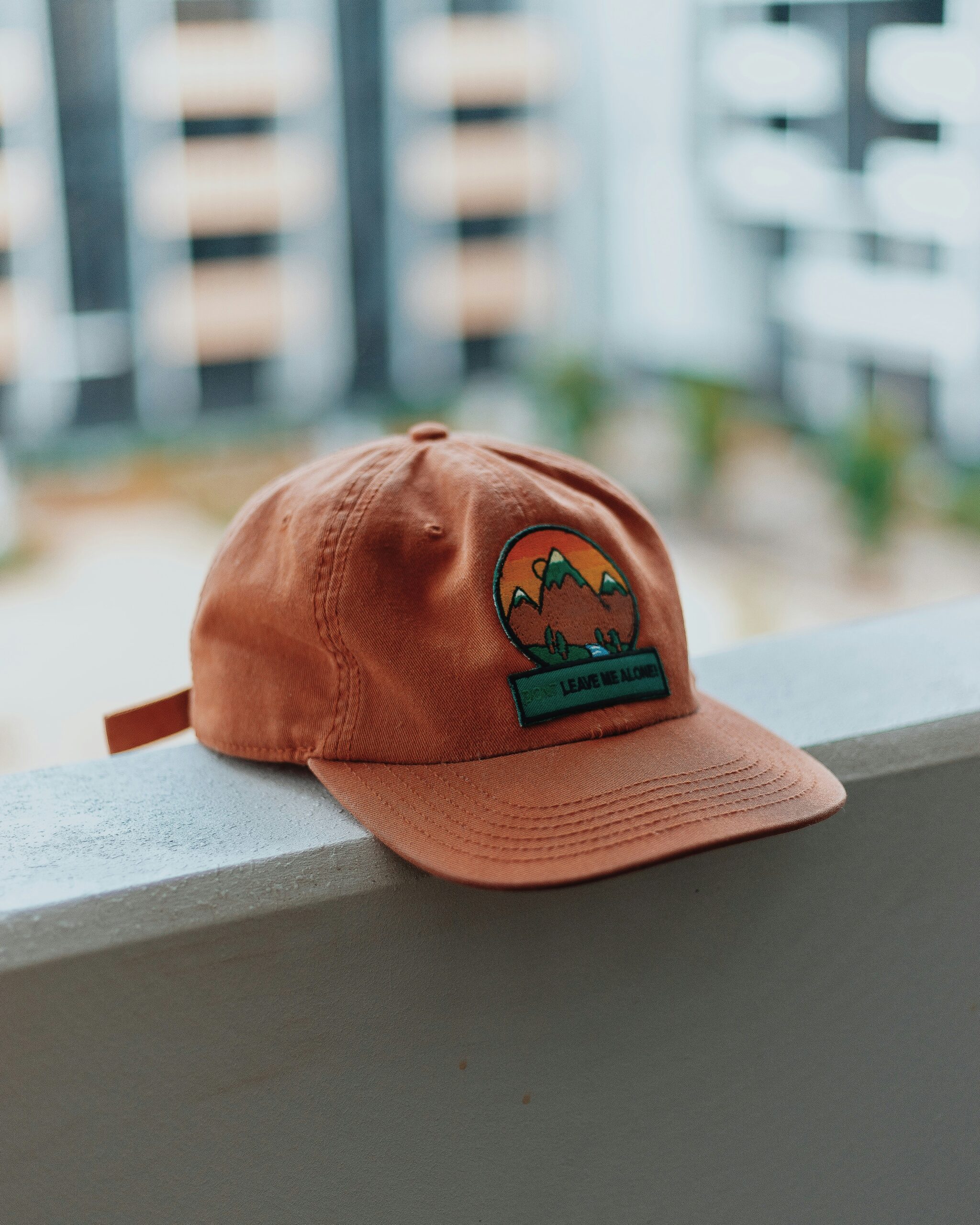
Dad Hats
Discuss your required silhouette, materials and custom branding with our team.
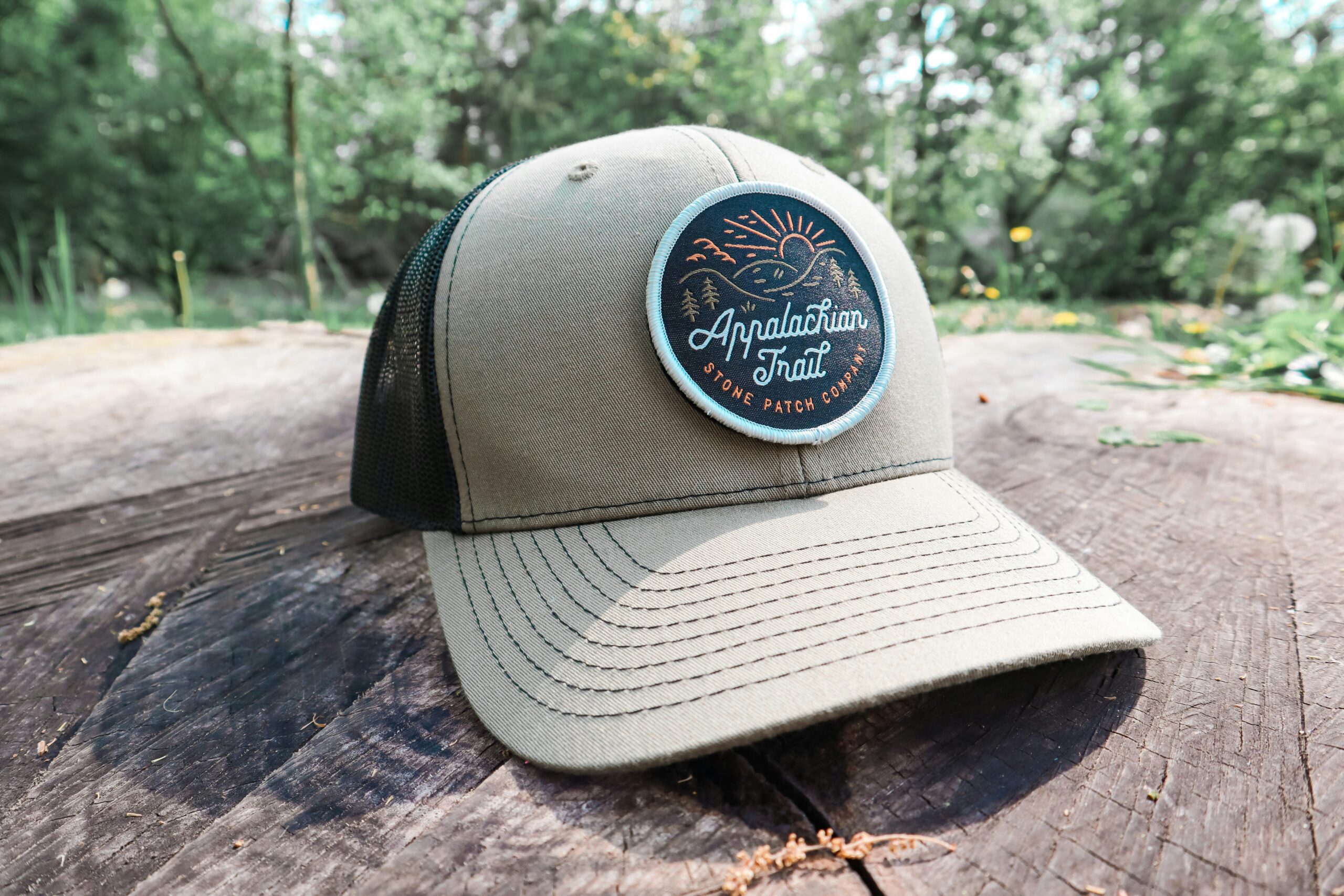
Trucker Hats
Discuss your required silhouette, materials and custom branding with our team.
Also explore baseball caps, snapback caps, bucket hats and visor caps.
Frequently Asked Questions
What is custom cap sample approval?
It is the buyer’s documented decision about a sample against the agreed product requirements. The record should identify the sample, specification, accepted elements and unresolved conditions. Approval may cover appearance, fit or particular components; its scope must be clear. It should also explain whether the decision authorises the next production step or requires further review.
How many samples does a custom cap order need?
There is no universal number for every project. The required sequence depends on design complexity, materials, artwork changes and the decisions each sample must support. Agree the stages directly with the manufacturer. A sample using temporary components may be useful for development while still requiring another confirmation before the actual production combination is approved.
Can a photograph replace a physical sample?
Photographs can support discussion about visible features, but they provide limited information about feel, fit, colour and internal comfort. Decide which elements can reasonably be reviewed remotely and which need physical assessment. If approval relies on photographs, record those limits and make sure essential product requirements have suitable evidence before authorising the next stage.
What should I check when the cap sample arrives?
Identify the sample version first, then compare crown shape, dimensions, visor, materials, decoration, closures, inside finishing and labels with the brief. Review the full cap and relevant details. Record temporary components and missing items. Check the proposed packing where it is available, and separate visible observations from requirements that need independent testing evidence.
What does approval with conditions mean?
It means specific elements have been accepted while named requirements remain unresolved. List each condition, its responsible decision maker and the evidence needed to close it. State whether production may proceed and to what extent. Avoid vague approval messages when an outstanding change affects the main artwork, material, fit or another central product requirement.
Who should approve the final cap sample?
The buyer should identify a decision owner with authority over the relevant product requirements. Other people can review branding, fit or purchasing details, but their feedback should be consolidated. The final record should identify who approved which elements, the applicable sample and specification versions, and any conditions still requiring another decision before production moves forward.
Does an approved sample guarantee the whole order?
No. It provides an agreed reference for the product represented by that sample. Production controls and inspection arrangements are still needed to assess completed goods. Keep the current sample, specifications and acceptance requirements available to the inspection contact. Record later approved changes so the reference remains accurate for the order actually being manufactured.
How should sample corrections be communicated?
Send one organised revision list tied to the sample and product code. Describe each issue, the requested result and any supporting marked photograph or artwork revision. Separate necessary corrections from optional alternatives. Resolve conflicting buyer feedback before sending it, and confirm what the next deliverable should demonstrate so both parties review the same expected result.
Should packaging and labels be approved too?
Yes, review the relevant labels, tags, assortment and packing instructions as part of the product programme. They may need separate references when they are not represented on the cap sample. Check wording and product identity, physical application and the intended packing arrangement. Where barcode or destination requirements apply, obtain the appropriate separate review and evidence.
How can I request sampling from Jalal Hats?
Use the company contact page and send the cap style, artwork, quantities by colour, reference images and intended destination. Explain important fit, material, decoration and packing requirements. Ask the team to confirm available options, sampling stages, charges and timing for the actual project. Retain the agreed brief and subsequent approval decisions in one current record.
Sources, Related Guides and Sampling Enquiries
For background terminology, consult ASQ’s explanations of verification and validation. For barcode related projects, review GS1’s barcode implementation guidance. These resources support discussion; they do not establish compliance or approval of a particular cap.
Use our cap fabric selection guide when comparing materials, the embroidered caps guide for decoration questions and the cap quality control checklist when preparing production checks. Explore private label cap development and contact Jalal Hats & Apparels Ltd. to discuss a project specific sampling brief.