
Private Label Caps Manufacturer in Bangladesh: a practical brand collection guide from Jalal Hats & Apparels Ltd.
Published 14 October 2026. Review our company background and company profile. Specific capabilities, prices and project terms require confirmation.
1. Private Label Caps: Build a Product, Not Only a Logo
Private label caps place your brand on a product manufactured to an agreed brief. The result includes more than front embroidery. Shape, materials, fit, internal labels, packaging and product identification all contribute to what the customer receives. A buyer searching for a private label caps manufacturer in Bangladesh should begin with that complete product experience.
Jalal Hats & Apparels Ltd. publishes headwear categories, factory images and company information that buyers can use to start a sourcing discussion. This guide explains how to organise a private label project, especially when several branding details must work together. It does not promise a universal minimum order, price, delivery period or proprietary design arrangement. Those require project-specific confirmation.
Define what makes the proposed cap part of your collection. A recognisable silhouette, a consistent label and careful packaging can support a brand even when decoration is modest. Conversely, a large logo does not compensate for an unsuitable fit or unclear assortment. Establish the essential features before comparing manufacturing proposals.
This article focuses on the buyer’s decisions and approval records. Use it to prepare an enquiry and ask relevant questions. The aim is to connect your visual identity, technical specification and commercial terms so the approved cap can be produced and evaluated against a clear reference.
2. Define Your Brand Position and Intended Wearer
A useful private label brief describes who the cap is for and how it will be used. Consider the sales channel, intended customer, climate and likely frequency of wear. A cap sold as premium merchandise may require different presentation from one distributed at a brand event or supplied as part of a uniform.
Identify the features that create value for that customer. These might include a particular crown profile, understated decoration, soft internal finishing or a distinctive closure. Separate essential requirements from optional preferences. This helps the team propose alternatives without losing the product’s purpose.
Prepare a short statement your design, marketing and purchasing teams can share. It should explain the intended appearance and customer experience in plain terms. Avoid filling it with adjectives that do not describe a measurable decision. Explain what premium means for your collection through specific product choices.
A private label caps manufacturer in Bangladesh can assess the project more effectively when the brand direction is clear. Include relevant references, but identify what each reference illustrates. One image might show shape, another decoration and another packing. The factory should not have to guess which details matter. Agree the direction before requesting a final quotation or treating an initial sample as a complete representation of the collection.
3. Separate Existing Styles from Custom Development
Private label projects can begin from an existing style or from a more specific development brief. These approaches involve different decisions. An existing silhouette may provide a starting point for colours and branding, while a custom shape requires clearer measurement and construction references.
Ask what the proposed approach includes. Do not assume that private label automatically means a completely exclusive shape or ownership of all development materials. Record the arrangement for designs, artwork, samples and any agreed exclusivity separately from the physical product specification.
If a reference cap is supplied, explain which features must remain and which can change. Material, crown depth, closure and visor curve should be discussed deliberately. A logo addition does not resolve these construction questions. Keep each accepted variation connected to a product code.
When discussing a private label caps manufacturer in Bangladesh, request a proposal that identifies the development scope and unresolved choices. This allows your team to compare alternatives without mistaking a standard style with new branding for a fully developed custom product. Both can be useful, depending on the collection. The important point is that the commercial agreement describes the same scope your team expects, including which references are approved before bulk manufacturing begins.
4. Choose a Cap Collection with a Clear Range Structure
A collection needs an organised range rather than a random assortment of attractive samples. Decide how many silhouettes, colours and branding treatments you want to develop. Consider which products serve different customer needs and which merely repeat the same idea with additional complexity.
Baseball caps, dad hats, trucker hats and snapbacks can form different parts of a collection. Their category names do not fully define construction. Use a separate specification for each style and explain common features that should remain consistent, such as label design or colour references.
Give each proposed product a code. When your team changes one design, the code and revision should identify the affected product. This becomes useful for quotes, samples, packing and reorders. Avoid relying only on descriptive names that several colleagues may use differently.
A private label caps manufacturer in Bangladesh should receive an assortment sheet that links style, colour, size and quantity. Ask which combinations are feasible and which require further development. If the range is still exploratory, mark it as a proposal rather than a confirmed allocation. A clear range structure helps your brand launch with intentional choices and makes the first manufacturing discussion more useful than a broad request for many different caps.
5. Specify Crown, Visor and Closure Together
The crown, visor and closure should be assessed as one design. A deep crown combined with a particular curved visor creates a different profile from a shallow relaxed cap, even when the same decoration is used. The closure influences adjustment and the appearance of the back.
Provide a physical reference or diagrams with the dimensions relevant to your style. Explain the measurement method and the intended feel. Ask how the construction will achieve the required shape using the proposed materials. A photograph alone cannot establish internal support, flexibility or the adjustment range.
Review the combination on a sample. Look at the cap from the front, sides and back, then assess fit with representative wearers where practical. Consolidate feedback into one decision. Several conflicting preferences should not become separate factory instructions.
Your private label caps manufacturer in Bangladesh needs an approved construction reference before the branding details are finalised. Record which closure and components are accepted and whether alternatives require approval. If you change the shape after decoration sampling, review whether logo position still works. Connecting these decisions prevents the team from approving isolated parts that do not create the intended finished product when assembled together.
6. Develop a Fabric and Colour Standard
Fabric selection supports the appearance and feel of a private label cap. Review fibre composition, construction, hand feel and the proposed colour alongside the intended silhouette. A material that looks suitable as a flat swatch may behave differently on a structured crown or under dense decoration.
Ask for identifiable references and review the components together. Thread, fabric, closure and labels may need to coordinate. Colour names such as olive or charcoal are useful descriptions but insufficient approval records when the exact appearance matters to the collection.
If several products share a brand colour, decide how consistency will be assessed across different materials. The same description does not guarantee identical appearance on every fabric. Review the actual proposed combination and record acceptable differences instead of assuming one screen reference resolves everything.
A private label caps manufacturer in Bangladesh should know which substitutions require approval. Retain the approved fabric and colour references with the cap sample. If a material becomes unavailable, request a clear proposal explaining the effect on appearance, feel and timing. These records are valuable for the first order and for later collections, when a new purchasing contact may need to understand what was approved without reconstructing the original development conversation.
7. Choose Branding Methods by Product Purpose
Front decoration, side logos, patches and back messages should follow the product purpose. A retail collection may use subtle embroidery, while a promotional cap may need higher visibility. Ask which decoration methods suit the actual fabric, panel arrangement and artwork.
Provide final dimensions and placement drawings for each location. Identify details that are essential to the brand and those that can be simplified if needed. Fine lettering and complex graphics should be reviewed at their finished size. An enlarged digital image does not establish the appearance of stitched or printed decoration.
When comparing methods, request clearly separate options. A patch introduces attachment and edge finishing, while direct embroidery involves a different development process. Confirm what the quotation includes and review the sample on the actual cap rather than approving decoration in isolation.
A private label caps manufacturer in Bangladesh should receive one approved approach for each product code. Retain authorised artwork and the revision used for sampling. Keep the decoration record linked to construction and colourway. For more detailed embroidery preparation, use the related custom embroidered caps guide. That technical discussion supports the private label project without assuming that one method is suitable for every product in your collection.
8. Design Internal Brand Labels for Comfort
An internal brand label is part of the wearer’s experience. Its material, folding and attachment can affect comfort as well as appearance. Identify the desired position and review a physical label on the cap before considering the design complete.
Supply usable artwork and dimensions. Explain whether the label changes between styles, sizes or colourways. Distinguish the brand identity label from care, composition or origin information. Combining several purposes into one label may be possible, but it should be reviewed against the product and destination requirements.
Check legibility and finishing on the sample. A clear screen design may become difficult to read when reduced to the label’s final dimensions. Look for exposed edges or attachment that interferes with the intended internal finish. Discuss adjustments before approving production.
Your private label caps manufacturer in Bangladesh needs an identifiable label reference and instructions about where it belongs. Record changes to material, text and folding as revisions. Keep the approved sample or close photographs with the technical sheet. This prevents an attractive graphic file from being mistaken for a fully approved physical component and helps inspection assess the label as part of the complete cap rather than only checking that your brand name is present.
9. Review Care, Composition and Origin Information
Product information should be prepared for the actual cap and destination market. Care, fibre composition and origin statements are different from promotional copy. Ask the appropriate importer or specialist which requirements apply and what evidence supports the proposed information.
Do not copy a label from another product without reviewing its relevance. A different material combination or selling market may require another approach. The manufacturing team can help implement instructions, but a sample label alone is not proof that every market requirement has been met.
Keep claims and evidence connected. If your packaging describes recycled or organic material, request information relevant to the proposed component and product. Certification scope matters; a company webpage showing a logo does not establish coverage for every cap. Identify outstanding checks before printing final labels.
A private label caps manufacturer in Bangladesh should receive approved wording, layout and product allocation. Record which text varies by size or destination. When a change is proposed, review the artwork and the underlying product information together. This helps prevent a late correction after labels or packaging have already been prepared. Accurate information supports the customer’s understanding and gives your brand a clearer basis for product communication.
10. Use Product Codes and Barcodes Consistently
Product identification links the cap to sales, packing and receiving. Decide how your brand will distinguish style, colour and size. Use codes that your team and warehouse can understand and maintain the same mapping throughout development.
A product code on the specification should match the code used in the quote, sample record and packing instructions. If a barcode is required, provide the final artwork and the allocation for each variation. Ask your distribution team how it should be displayed and verify the physical label against their receiving needs.
Avoid assigning codes independently in several departments without a shared reference. One person may use a marketing name while another uses a technical identifier. A mapping sheet helps keep both understandable and reduces the chance of packing a correct cap under the wrong variation.
A private label caps manufacturer in Bangladesh should receive the final identification sheet before packing is approved. Make sure revisions do not silently change the meaning of an existing code. If a product changes materially, define how the new version will be recognised. Consistent identification becomes especially useful when returns, customer feedback and repeat orders need to be traced to the precise cap construction and colourway supplied.
11. Plan Hangtags and Retail Presentation
A hangtag can introduce the brand, describe the product and support retail presentation. Its size, attachment and information should suit the cap and the sales channel. Avoid treating it as an afterthought when it forms part of the customer’s first impression.
Supply final artwork and explain whether the tag is universal or varies by product. Check spelling, product codes, claims and contact information. Review a physical reference if paper feel, finishing or print appearance matters. A digital mockup cannot communicate all those characteristics.
Consider how the tag is attached and how it behaves during packing. It should not unnecessarily distort the cap or obscure features the retailer needs to show. Coordinate it with individual packaging and barcode placement so the overall presentation remains coherent.
Your private label caps manufacturer in Bangladesh should understand which tag arrangement applies to each style and colourway. Confirm whether development, printing and attachment are included in the quote. Retain the approved artwork and sample with your packing instructions. This helps the final inspection assess retail presentation against an identifiable reference instead of assuming that any tag carrying the logo satisfies the collection’s requirements.
12. Specify Packaging for the Sales Channel
Packaging should protect the cap and support the way it reaches the customer. Direct-to-customer delivery, wholesale receiving and event distribution can involve different priorities. Describe the required presentation and handling instead of requesting attractive packaging without a purpose.
Review how caps are stacked or separated and whether the chosen arrangement preserves the intended crown shape. A soft cap and a structured cap can respond differently to compression. Individual packaging should be evaluated with the actual cap if it affects presentation or receiving.
Provide clear allocation instructions for inner packs and cartons. Identify labels, markings and any documents your warehouse needs. Ask which materials are proposed and how changes will be approved. Do not make environmental claims about packaging without relevant supporting information.
A private label caps manufacturer in Bangladesh can prepare a more useful proposal when packing requirements are known early. Discuss the effect on price, carton use and dispatch preparation. Keep a packing reference with the approved product record. Packaging is part of the private label experience, but its role is practical: it connects manufacturing, transport, warehouse handling and the condition in which the customer sees your product.
13. Create a Technical Pack That Several Teams Can Use
A technical pack brings the product decisions together. It should identify the style, measurements, materials, components, decoration, labels and packaging. Use drawings and reference photographs where they make an instruction easier to understand.
Keep the document structured and versioned. Each update should show what changed and which products are affected. A new artwork file should not be distributed without explaining whether placement or dimensions also changed. Avoid using a collection of informal messages as the only production reference.
Include a section for unresolved decisions. This allows the factory to identify questions before quotation or sampling. Mark proposals as proposals and approvals as approvals. A technical pack is more useful when its status is clear than when it appears complete but hides assumptions.
A private label caps manufacturer in Bangladesh should receive the same current version used by your purchasing and inspection teams. Identify an authorised contact who consolidates feedback. Retain earlier versions for the development record while making the approved version easy to locate. This supports cooperation among designers, merchandisers and quality reviewers, particularly when a colleague who did not attend the original discussion needs to understand the cap being ordered.
14. Agree Sampling Stages and Approval Responsibilities
Sampling should demonstrate the decisions your team needs to make. A fit sample, decoration trial, label review and final production reference may answer different questions. Agree the relevant stages before expecting one parcel to establish every feature of the collection.
Identify each sample by product and revision. Record what can be judged and what remains provisional because a substitute component was used. Approve the relevant features explicitly. A general response saying looks good should not conceal unfinished material or label decisions.
Consolidate comments into one authorised response. Use measurements and photographs to explain corrections. Ask whether another sample is needed after a significant change to shape, fabric, decoration or packing. Keep the approval record connected to the current technical pack.
A private label caps manufacturer in Bangladesh should know which sample will govern manufacturing and how it is shared with production and inspection teams. The buyer should also retain a physical reference where fit and feel matter. Clear responsibilities reduce the chance of different departments approving incompatible versions and provide a useful record if a later order needs to reproduce the same product.
15. Compare Quotations against the Same Scope
Private label quotes should be compared against an agreed specification. A unit price may include different labels, decoration locations or packaging from another proposal. Identify assumptions and exclusions before deciding that two prices describe the same product.
Request separate options when you are comparing materials or branding methods. Confirm the quantity allocation, currency, validity and payment stages. Ask whether sampling, testing, courier costs or special packing are treated separately. Keep the commercial proposal attached to the relevant technical pack version.
Consider the cost of complexity. Additional colourways, labels or decoration can introduce development and coordination requirements. Ask the team to explain what changes if the assortment is simplified. Evaluate whether each extra feature creates customer value rather than adding it solely because it is available.
A private label caps manufacturer in Bangladesh should provide a proposal your team can review clearly. Price matters, but an incomplete brief makes value difficult to assess. Before placing the order, check that the final quote refers to the sample and components you approved. This creates a connection between the purchasing decision and the branded cap your warehouse expects to receive.
16. Confirm Minimum Quantities and Range Feasibility
Minimum quantities should be confirmed for the actual cap collection. Materials, labels, components and colour allocation can affect the arrangement. A general published quantity should not be treated as a promise for every combination of features.
Explain the first order separately from possible future demand. Provide quantities by product and colourway so the team can assess the assortment. A large total divided among many variations may create a different production discussion from one style in a single colour.
If the proposal needs adjustment, ask for practical alternatives. Consolidating colours or using an available fabric may help, but the revised product should still meet the essential customer need. Record accepted compromises in the technical pack before comparing price or timing.
A private label caps manufacturer in Bangladesh can advise more usefully when the buyer is transparent about the project stage. Mark exploratory concepts as development requests and confirmed allocations as order instructions. Ask which details remain necessary to confirm feasibility. Clear expectations help the collection move through quotation and sampling without relying on an assumed minimum or future order volume that has not actually been agreed.
17. Inspect the Complete Branded Product
Inspection should assess the cap, its branding and presentation together. Review crown shape, panel alignment, visor finish, closure, sweatband, decoration, internal labels and packing. Compare them with the approved sample and written reference.
Agree the inspection requirements and how issues are recorded. Identify the features most important to your product rather than asking only for premium quality. If testing is needed for a performance or material claim, define it separately from visual checks. Different evidence answers different questions.
Ask how the team communicates a problem during manufacturing. A proposed substitution or correction should be explained before approval, including its effect on appearance, price or schedule. Keep the decision with the product record so both teams understand what was accepted.
A private label caps manufacturer in Bangladesh should be assessed through relevant project evidence rather than an unsupported success percentage. Request a quality review appropriate to the collection and retain the results. This helps your team receive the shipment against the same reference used for production. It also makes a discrepancy easier to investigate because the complaint can identify a specific requirement and approved version instead of relying on a broad judgement about quality.
18. Coordinate Export and Warehouse Receiving
A private label collection needs a clear handover plan. Factory completion, dispatch, departure and arrival are separate milestones. Explain the date when the caps must be available for use or sale and discuss the dependencies with the company and logistics partner.
Confirm the delivery arrangement, named location and responsibilities. Consult your forwarder or importer about the documents and product descriptions required for the actual goods. Keep quantities, product codes and carton details consistent across the packing instructions and shipping records.
Tell the factory how your warehouse will receive the order. Labels, assortment breakdowns and packing lists should support that process. If different destinations need different presentation, identify the variation before final packing begins. A technically correct cap can still cause receiving difficulty when the carton information is unclear.
Your private label caps manufacturer in Bangladesh should receive updated instructions when plans change. Record the contact responsible for collection and the response to discrepancies. Retain arrival photographs and receiving notes where useful. Coordinated handover turns the approved collection into identifiable stock, supporting distribution without assuming that a general dispatch date is the same as a guaranteed customer delivery.
19. Keep a Brand Reference System for Repeat Orders
Repeat orders need more than the memory of a successful first shipment. Retain the approved cap, technical pack, artwork, labels, material references and packing instructions. Identify the version and the commercial arrangement separately so a new quote can be reviewed against the intended product.
Review customer and warehouse feedback before ordering again. Decide whether fit, label comfort, decoration or packing should change. Issue a revision when a decision affects the product and explain which previous reference it replaces. Avoid mixing old and new instructions without a clear transition.
Confirm component availability and proposed substitutions. A fabric or closure used earlier may require fresh confirmation. Review colours across the collection and update allocation based on the actual new order. An earlier invoice does not establish every requirement for a different assortment.
A private label caps manufacturer in Bangladesh can support consistency when both teams maintain useful records. Identify the current approval contact and consolidate decisions across departments. This makes the relationship less dependent on one person’s recollection and helps a future colleague understand the branded product. Repeat production becomes easier to assess when experience is combined with fresh confirmation of the specifications being ordered.
20. Start Your Private Label Enquiry with Jalal
Prepare a concise enquiry that explains the collection. Include the intended customer, cap styles, material direction, measurements, decoration, internal labels, hangtags, packaging and quantities. Add the destination and required arrival window. Identify which decisions are fixed and where you want proposals.
Use Jalal Hats & Apparels Ltd.’s company profile and product pages to structure the discussion. Ask what information the team needs to assess feasibility and prepare a quotation and sample plan. Confirm the available arrangement for your project rather than treating a general category description as a finished offer.
Attach authorised artwork and reference images with clear explanations. If a reference illustrates only colour or shape, say so. Keep designs and approval versions identifiable so the proposed product can be discussed by everyone involved in purchasing.
Working with a private label caps manufacturer in Bangladesh is a process of connecting a brand concept with an approved physical cap and documented terms. The useful outcome is a collection supported by clear construction, branding and receiving references. Contact Jalal through its published channels, review the proposal against your brief and complete the relevant sample approvals before authorising bulk production. This framework helps buyers ask practical questions without assuming universal pricing, quantities or delivery promises.
Private Label Cap Collection Planning Table
This worksheet organises buyer decisions; it does not report factory statistics or guaranteed output.
| Area | Buyer information | Reference to approve |
|---|---|---|
| Range | Styles and colourways | Assortment sheet |
| Construction | Shape, visor and closure | Physical cap |
| Fabric | Composition and feel | Approved swatch |
| Colour | Identifiable references | Colourway sample |
| Decoration | Artwork and locations | Decoration trial |
| Brand label | Dimensions and attachment | Physical label |
| Product information | Verified text | Approved layout |
| Hangtag | Artwork and finishing | Tag reference |
| Identification | Codes and allocation | Receiving sheet |
| Packing | Individual and carton needs | Packing reference |
| Quality | Acceptance requirements | Inspection record |
| Reorder | Revision and availability | Current technical pack |
Real Factory Images and Related Products


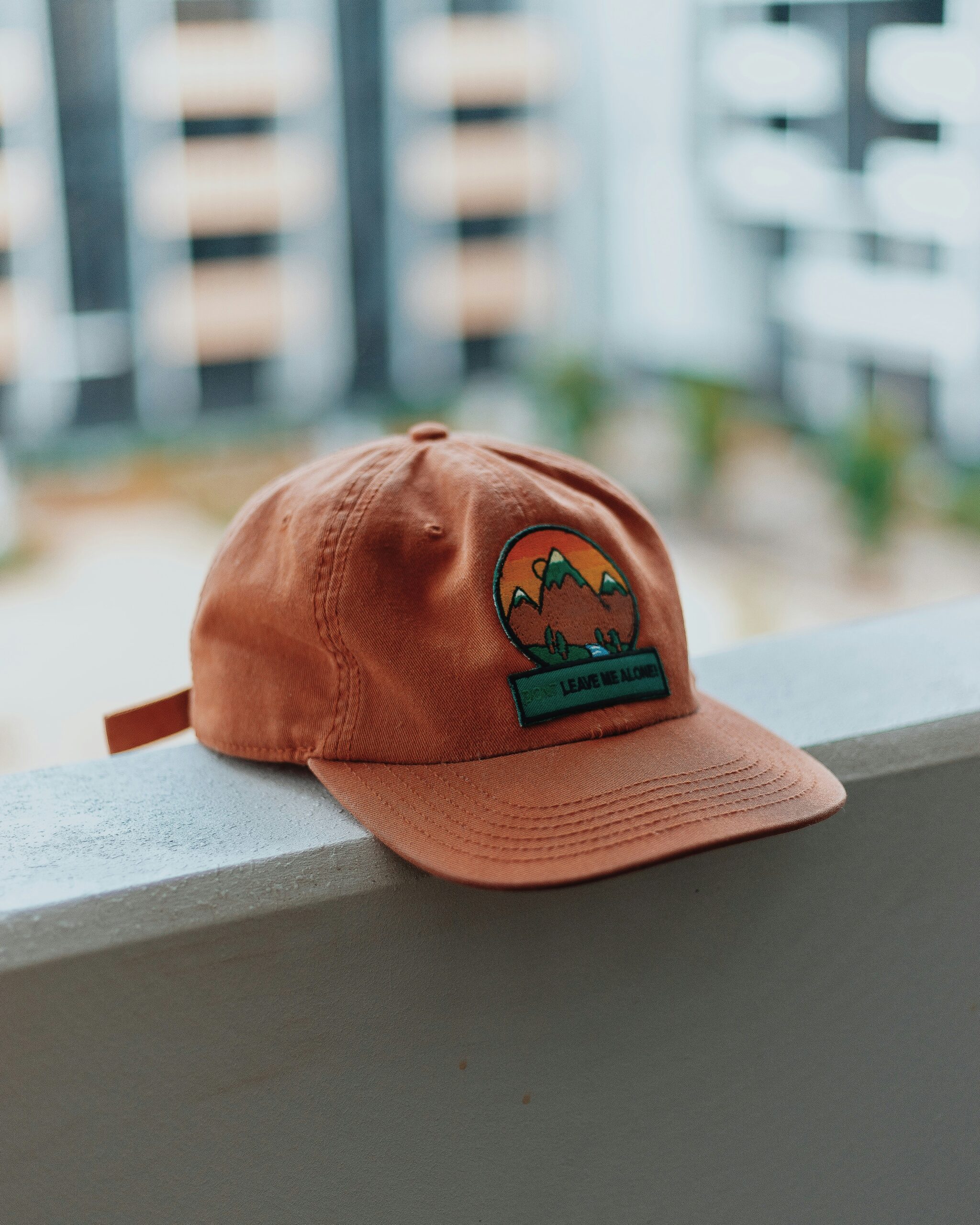
Dad Hats
Discuss your required silhouette, materials and custom branding with our team.
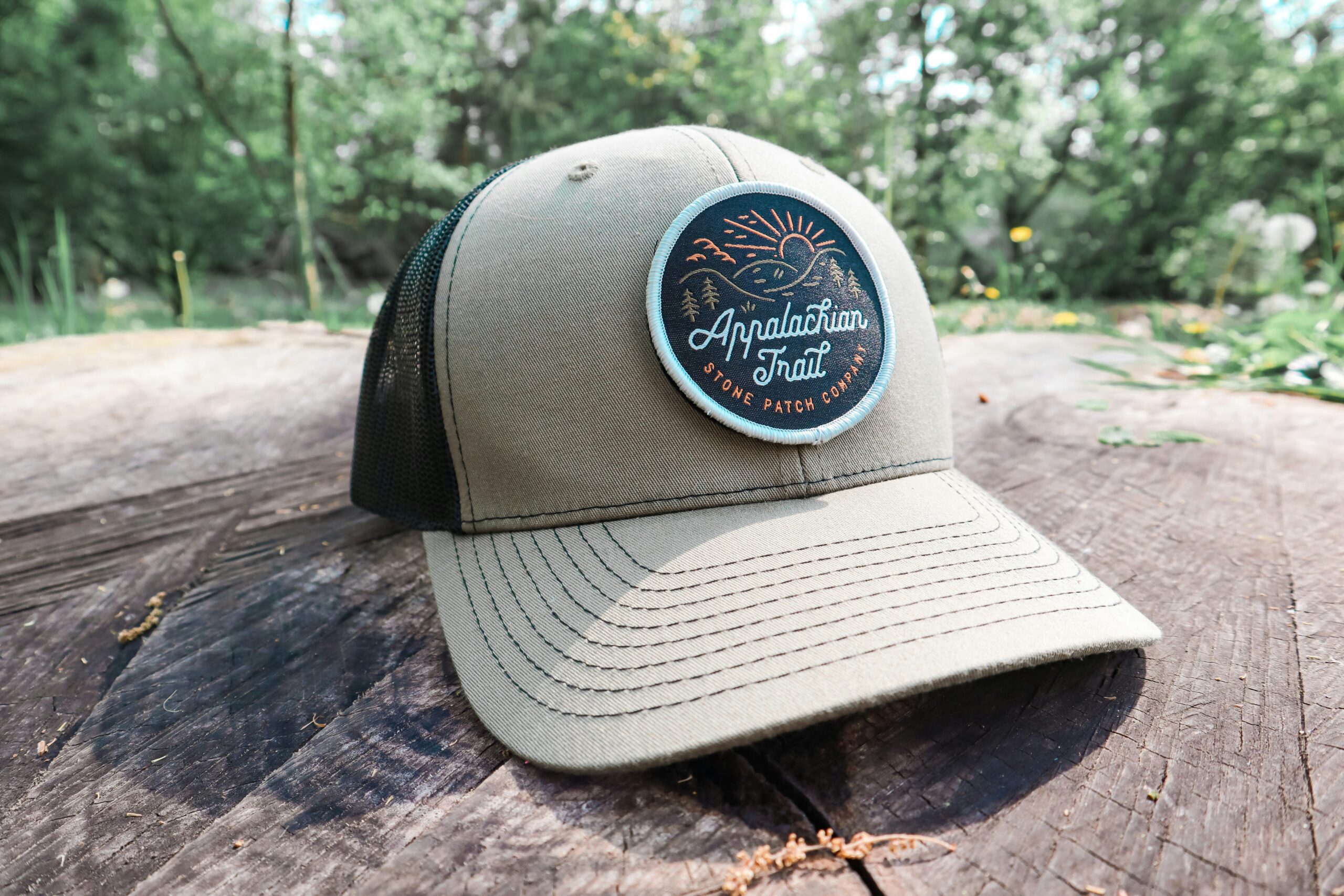
Trucker Hats
Discuss your required silhouette, materials and custom branding with our team.
Also explore baseball caps, snapback caps, bucket hats and visor caps.
Private Label Caps: Frequently Asked Questions
What is a private label cap?
A private label cap is supplied under a buyer’s brand according to an agreed product brief. The project can include decoration, labels, packaging and identification. Confirm whether the proposal begins from an existing style or custom development. Private label alone does not establish exclusive design ownership or a particular commercial arrangement.
What should I send to a private label caps manufacturer in Bangladesh?
Send cap styles, material direction, reference dimensions, branding artwork, label designs, quantity allocation, packing requirements and destination. Explain your intended customer and required arrival window. Identify unresolved decisions. A useful brief allows the team to assess the actual collection rather than pricing a generic cap with an unspecified logo.
Can I add my own internal labels?
Discuss label material, dimensions, folding, attachment and position with the team. Supply final artwork and identify variations by style or size. Approve the physical result on the cap, including legibility and comfort. Confirm the available arrangement and included costs before assuming that every label request is covered by the base quotation.
Do I need custom packaging?
Choose packaging according to the sales channel, shape protection and receiving needs. Retail presentation and wholesale handling can require different arrangements. Request a packing reference if presentation matters. Confirm quantities and carton instructions, and review the finished cap with its packaging rather than choosing a decorative option without checking its practical purpose.
Does private label mean an exclusive cap design?
Exclusivity and ownership should be agreed separately. Ask which construction, artwork or development materials are covered by the proposed arrangement. Record any accepted terms clearly. Do not assume that adding your logo to an existing silhouette creates exclusive rights to that silhouette or automatically establishes ownership of all technical files.
What is the MOQ for a private label collection?
Ask for a project-specific MOQ based on materials, components, labels and assortment. Provide quantities by style and colour. If the request needs adjustment, discuss alternatives and record accepted changes before comparing quotes. This guide does not state a universal company minimum or promise the same quantity arrangement for different products.
How should I approve a sample?
Compare construction, fit, decoration, labels and packing against the current technical pack. Identify provisional components and consolidate feedback through one authorised contact. Retain a physical reference when comfort or feel matters. Ask whether another sample is required after significant changes and confirm which approved version will govern manufacturing.
Can several cap styles share the same brand colour?
Provide an identifiable colour reference and assess it on each proposed material. The same colour name can appear differently across fabrics and components. Record approved combinations by product code. Confirm substitutions before production or reorders instead of assuming that a screen reference or broad shade description establishes consistency everywhere.
How can I prepare for repeat orders?
Retain the approved cap, technical pack, artwork, labels, materials and packing instructions. Review feedback and issue a revision for changes. Confirm new quantities and component availability. An earlier invoice helps identify a transaction, but it does not replace a complete product reference or fresh confirmation of the next order’s terms.
How do I discuss my brand with Jalal Hats and Apparels?
Use the website contact page to send a concise collection brief and authorised references. Ask for the information needed to assess feasibility, quotation and sampling. Keep assumptions identifiable, review the proposed product and confirm commercial terms in writing before authorising bulk manufacturing. The company pages provide context for that initial discussion.
Official Resources and Related Guides
For product identification, consult GS1 barcode resources. For delivery responsibilities, consult ICC Incoterms resources and your logistics partner. These explain their respective subjects and are not endorsements of this company or a substitute for reviewing your actual project.
Continue with our embroidered cap artwork guide, factory selection guide, credential information and responsible manufacturing page. Contact Jalal Hats & Apparels Ltd. for a project-specific proposal and sample plan.