
Cap Size and Fit Guide: a practical resource from Jalal Hats & Apparels Ltd. for brands, uniform buyers and headwear importers preparing custom cap specifications.
Published 20 October 2026. Learn how to distinguish wearer measurements from finished cap dimensions, review adjustable and fitted constructions and organise sample approval. Confirm the actual product’s chart and available options directly; this article does not establish a universal factory size range.
1. Define the Intended Wearer before Choosing a Size
A cap size and fit guide should begin with the audience rather than a generic size label. Describe who will wear the cap, the intended activity and the style of presentation. A retail collection, staff programme and promotional event may require different decisions about sizing and adjustment.
Avoid assuming a country name defines one head size. Buyers serving international customers need product specific information and appropriate wearer feedback. The size plan should reflect the intended audience and available evidence rather than an unsupported claim about national averages.
Identify what the buyer wants the cap to feel and look like. Some designs prioritise a relaxed appearance, while others require a more supported crown. Those preferences should be communicated alongside measurements because circumference alone does not describe the complete fit.
This guide from Jalal Hats & Apparels Ltd. explains a practical planning method for custom headwear. It does not publish a universal Jalal size chart or establish the availability of a particular construction. Confirm proposed sizes, samples and product options directly with the team. A clear audience brief gives the later measurement and approval discussion a useful purpose.
2. Separate Head Measurement from Finished Cap Measurement
The circumference of a person’s head and a measurement taken from a finished cap describe different things. One helps a wearer use the applicable product chart; the other helps a manufacturer or inspector compare the cap with its specification. Do not exchange those figures without explaining what they represent.
Label the measurement type in the working record. A column marked size can be ambiguous if one reviewer records a head circumference and another records an internal cap measurement. Include the method and conditions so the values can be interpreted correctly.
A finished product’s shape, sweatband and closure also influence how it sits. Matching a single number does not by itself prove that the intended wearer will prefer the fit. Review the actual sample as part of the development process.
Use this cap size and fit guide to organise both records without merging them. Keep customer facing sizing information connected to the approved product and keep manufacturing targets in the technical specification. That separation supports clearer communication between designers, purchasing staff, the factory and the people who eventually help customers select a cap.
3. Measure Head Circumference Consistently
Use a flexible tape and follow the measurement path explained by the applicable cap maker or product guide. Official New Era guidance, for example, describes taking a head measurement and comparing it with the relevant size chart. Its charts apply to its products, not automatically to custom caps from another manufacturer.
For a buyer’s own programme, agree a consistent instruction before collecting measurements. Keep the tape level along the intended path and avoid pulling it excessively tight. Record the result in a stated unit and repeat the process when the reading is uncertain.
Explain the conditions used. Hairstyle, intended wearing position and personal preference can influence how a person selects and evaluates a cap. The practical aim is consistent information, not a promise that one measurement predicts every aspect of comfort.
Do not add an arbitrary allowance to every reading and present it as a universal rule. Use the actual product chart and sample assessment. If the programme is still in development, discuss the intended relationship between wearer information and proposed sizes with the manufacturer before publishing a finished sizing claim.
4. Choose Consistent Units and Clear Records
State whether measurements are recorded in centimetres, millimetres or inches. Use one controlling unit in the production specification and label any secondary conversions clearly. Inconsistent units can create an avoidable error even when the measurement itself was taken carefully.
Record enough precision for the agreed method without implying unrealistic accuracy. A flexible tape reading and a rough photograph should not be presented as equally precise evidence. Define how the team will record and compare results.
When preparing a customer chart, review the conversion and rounding method. A converted figure should remain consistent with the approved source value. Avoid copying a chart from an unrelated brand simply because it already includes both units.
The cap size and fit guide should make information easier to understand. A practical record identifies the product, measurement type, unit, method and date or version. Keep the required target separate from an observed sample result. This gives later reviewers a clear way to see what was intended, what was measured and whether a difference needs investigation rather than leaving them to interpret an unexplained number.
5. Understand Adjustable Cap Fit
An adjustable closure allows the cap opening to be changed, but it does not make every aspect of the cap universal. Crown depth, panel shape, material and closure construction still influence how the product sits on different wearers.
Ask the manufacturer to describe the proposed adjustment arrangement and review it in a representative sample. Identify the closure type and how the usable range will be assessed. Do not assume a generic one size label establishes that the product fits everyone.
Evaluate appearance at different intended settings. A cap may feel acceptable at one closure position while its back opening or silhouette changes at another. Decide which results matter for your audience and record the approved expectations.
For bulk enquiries, explain whether the programme requires one adjustable style or more than one size option. Confirm feasibility and commercial arrangements directly. Customer facing information should state the applicable product range only when it has been established. This cap size and fit guide treats adjustment as a design feature to review, rather than a substitute for measurements, wear trials and a clearly approved product reference.
6. Understand Fitted and Stretch Fit Options
A fitted cap usually relies on a defined size rather than a manually adjustable back closure. A stretch fit construction may cover an intended range, depending on the actual product. These descriptions should lead to questions about the specification rather than assumptions about identical sizing.
Request the proposed size system and relevant construction details. If several sizes are offered, identify the reference for each. A label such as medium is not a reliable substitute for the actual chart and sample associated with the style.
Review the product in the conditions intended for approval. Material stretch and internal components can affect the wearing experience. Routine handling does not establish every recovery or durability property, so separate measurable performance requirements when they matter.
Official Flexfit resources illustrate that a manufacturer’s size guidance belongs to its product system. They should not be presented as a Jalal conversion chart or imply a relationship between the companies. For your custom order, discuss available constructions and sampling with the team and approve the applicable size information through the actual development process.
7. Review Crown Depth as Well as Circumference
Crown depth affects where the cap sits and how the profile appears. Two caps can have a similar opening measurement while offering different wearing experiences because their panels and crown proportions differ. Include depth and silhouette in the review.
Define the measurement method if crown depth forms part of the specification. Show the points and the condition of the cap through a diagram or marked photograph. A label alone can be interpreted differently by different reviewers.
Compare the sample from the front, side and back. Ask the wearer to describe the actual issue rather than only report that the cap feels too big or too small. The concern may involve depth, shape or placement rather than circumference.
Record those observations separately from dimensional results. If the sample meets the stated measurements but does not achieve the intended fit, revise the relevant requirement instead of asking production to guess a correction. A complete cap size and fit guide connects the numbers with the assembled design and the audience for whom it is being developed.
8. Compare Structured and Relaxed Silhouettes
Structure describes part of the cap’s construction and appearance. A supported front and a relaxed crown can sit differently even when the nominal size appears similar. Review the actual combination of fabric, support and panel design.
Use a silhouette reference with an explanation of the important features. A photograph may show the desired front height or side profile without defining the entire construction. Mark those priorities so the manufacturer understands what the buyer is trying to achieve.
Assess the sample in a consistent condition. A cap compressed during shipment may look different from one placed on a display form. Agree how it should be prepared for review before concluding that its production dimensions are incorrect.
Avoid treating a style name as a universal fit specification. Dad hats, baseball caps and snapbacks can each vary by design. The useful purchasing action is to approve a particular construction with clear references. When the structure changes, review its effect on fit and presentation instead of assuming an earlier size approval covers every later version of the cap.
9. Assess the Sweatband and Internal Contact Areas
The sweatband and internal finishing influence what the wearer experiences. Inspect attachment, alignment, labels and seam coverings as part of the sample review. Exterior photographs alone leave those contact areas largely unexplained.
Ask the reviewer to identify where an uncomfortable sensation occurs. The relevant issue could involve a label edge, seam position or component placement rather than the overall size. Clear location information helps the team investigate the appropriate part of the design.
Keep the component references with the specification. If a sweatband changes after fit approval, assess whether the same conclusion still applies. A substitution can matter even when the crown fabric and artwork remain unchanged.
Distinguish comfort observations from verified technical properties. A short wear trial provides useful feedback but is not evidence for every durability or material claim. The cap size and fit guide should describe what has actually been reviewed. Connect the physical sample, measurements and internal construction record so the final approval reflects the complete cap rather than only an opening dimension or front view.
10. Evaluate the Closure at Intended Settings
A closure should be reviewed for its relationship to the cap and the intended wearer. Confirm the type, placement and proposed adjustment method. Inspect the inside and back view as well as the visible exterior detail.
For measurement purposes, identify the exact setting. Without that instruction, two reviewers can report different circumferences from the same adjustable cap. A photograph of the agreed position can help communicate the method.
During wear review, record whether a concern appears at a particular setting. Avoid describing the entire design as unsuitable without identifying the conditions. This distinction makes it easier to decide whether a change to size, closure or crown construction is needed.
Do not assume maximum possible adjustment equals the useful advertised fit range. The buyer should review the intended settings and assembled appearance, then approve accurate customer information. If a specific functional test is required, define it separately with suitable technical contacts. A clear closure record helps link product development, manufacturing measurements and customer guidance without implying that one adjustable component resolves every fit question.
11. Consider Visor Balance and Wearing Position
The visor influences how the cap looks and where a wearer prefers to position it. A long, short, flat or curved design can change the balance of the assembled product even when the crown specification remains similar.
Assess the sample at the intended wearing position. A cap tilted differently can appear deeper or shallower in a photograph. Keep review conditions consistent so the team is comparing the product rather than unrelated presentation choices.
Record the visor requirements in the tech pack. Include the relevant dimensions and shape reference where these are part of the approved design. Do not rely on a perspective image to communicate every proportion.
If the wearer reshapes the visor, document whether that condition represents the expected supplied product or a personal adjustment. Otherwise later reviewers may compare production with a modified reference without understanding the difference. The cap size and fit guide should support a coherent product decision in which crown, opening, visor and intended appearance work together rather than being approved through separate conversations.
12. Use Material and Finish References in Fit Review
Materials and finishes contribute to the assembled cap’s feel and shape. A sample using a temporary fabric may help evaluate a design direction while still leaving the final fit combination unconfirmed. Record that limitation clearly.
Ask which components the sample represents. Outer fabric, internal support, sweatband and closure should connect to the current materials list. If one changes, review the effect rather than treating the original approval as unconditional.
Avoid predicting a fixed change after washing, wear or treatment without supporting evidence. If those conditions form part of the intended product requirements, arrange appropriate evaluation for the actual construction and agreed care process.
Use the fabric selection guide alongside this article. The aim is to approve a defined material in a defined cap, not select a fabric name and assume it establishes fit. Retain the relevant sample and references so the team can recognise the accepted combination during production review. This also provides a clearer basis for discussing repeat orders when the original material is no longer proposed or available.
13. Organise a Consistent Wear Review
A wear review should have a clear purpose and consistent questions. Ask reviewers about wearing position, crown feel, closure setting, internal contact and overall appearance. Record the actual product version being assessed rather than collecting comments without a reference.
Choose reviewers relevant to the intended audience and explain the limitations of the feedback. A small development review can identify practical issues, but it should not be advertised as a statistical guarantee for all customers.
Keep observations specific. A comment such as too tight is more useful when accompanied by the size reference, setting and location of the concern. Separate personal style preferences from a requirement the buyer expects the manufacturer to meet.
Consolidate the findings before sending a revision request. If reviewers disagree, the buyer needs to decide which audience and priorities control the product direction. A cap size and fit guide cannot resolve that decision through a universal chart. It can provide a repeatable way to gather evidence, identify the relevant design question and document the next approved development step.
14. Build a Product Specific Size Chart
A customer chart should describe the actual product being sold. Identify the style, applicable size labels and established measurement guidance. Include the unit and a clear explanation of whether the figure refers to head circumference or another defined reference.
Do not copy another manufacturer’s chart and present it as your own specification. Official brand charts are useful examples of product specific guidance, but their values and fit systems should not automatically be assigned to custom headwear.
Review wording such as one size fits all carefully. An adjustable cap can still have a defined intended range and limitations. State only information supported by the approved product review, and make the method understandable to the customer.
Align the chart with labels and order records. If the ecommerce page uses one size name while the packaging and assortment use another, receiving and customer support can become confusing. The buyer should approve consistent product information alongside the physical cap. This gives customers a more useful selection aid and helps the company investigate feedback against an identifiable style and version.
15. Plan the Bulk Size and Colour Assortment
A size assortment connects fit planning with the actual purchase quantity. List product codes, sizes, colourways and quantities in a clear table. Confirm that totals match the intended order and that each variant has an applicable specification.
Avoid inventing a universal size ratio for every audience. The buyer’s sales history, wearer information or distribution plan should inform the allocation where available. A generic ratio from an unrelated collection may not suit the programme.
Review how variants will be identified on caps and packaging. A correctly made product can still create receiving problems when labels or carton allocations do not match the assortment sheet. Keep the information connected to the current order reference.
Confirm commercial implications directly with the manufacturer. Multiple sizes or variants may require a project specific discussion about development and quantities. This article does not establish minimums, pricing or availability. A practical cap size and fit guide helps the buyer prepare a coherent enquiry and recognise which decisions belong to product approval and which require separate purchasing confirmation.
16. Approve Measurement Tolerances for the Actual Design
A production tolerance describes an agreed allowance around a defined requirement. It should be selected for the actual construction and measurement method, with appropriate technical input. Do not copy a number from an unrelated cap and present it as a universal industry rule.
Show the target and tolerance clearly in the specification. Explain the measurement points, unit and closure condition so the team can apply the requirement consistently. A tolerance without a method can create more ambiguity than it resolves.
Keep the observed sample result separate from the required target. If the buyer accepts a sample with a different value, decide whether the specification needs a formal revision. Do not leave the manufacturing and inspection contacts to infer the intended requirement.
The cap size and fit guide should distinguish product development from inspection decisions. Approving fit establishes an intended reference; checking production assesses goods against the agreed criteria and plan. Clear tolerances support that relationship without promising identical personal comfort for every wearer or replacing the need to review the complete assembled cap.
17. Connect Fit Approval with Production Inspection
Fit approval should identify the sample, specification and accepted component combination. Record any conditions that remain open and state what evidence is needed before the next stage. A positive comment about appearance is not necessarily approval of all size requirements.
Give the inspection contact the current references. Measurements, closure settings and relevant photographs should match the approved product version. Resolve contradictions before the inspector has to make a release recommendation.
Assess production using the agreed inspection arrangement. A development sample does not establish the condition of every finished piece. Likewise, one measurement photograph should not be represented as proof of the whole order.
Record findings by product code and location, then confirm corrective actions through the applicable process. Use the quality control checklist as a companion to organise those checks. The practical objective is a clear link between what the buyer accepted and what the team reviews in production, with unresolved differences visible to the authorised decision maker before the order progresses.
18. Review Packing Effects and Repeat Order Feedback
Packing can affect how a cap presents immediately after unpacking. Retain the approved arrangement and identify the condition in which the cap will be assessed. This helps reviewers avoid confusing a temporary presentation issue with a confirmed dimensional difference.
If a receiving team reports a problem, request product codes, carton references and useful photographs. Ask how the cap was measured and handled before reaching a conclusion. Clear context supports a more practical investigation than an unqualified statement that the size is wrong.
Review feedback before repeating the order. Decide whether the issue requires a change to packing, measurement instructions, materials or the product design. Record the accepted revision and keep the earlier reference available for context.
A cap size and fit guide becomes more valuable when customer and receiving observations connect to development records. It should help the team understand a specific issue rather than assign blame without evidence. Reconfirm the current specification and component availability on reorders so a familiar style name does not conceal a different proposed construction.
19. Follow an Illustrative Fit Development Example
Imagine a fictional buyer developing an adjustable cap for a retail collection. The first sample has an opening that can be adjusted comfortably, but reviewers say the cap sits lower than intended. Simply increasing the opening would not clearly address the observation.
The buyer records the sample version, closure settings and comments about wearing position. A side view comparison suggests that crown proportions need review. The team discusses a revised depth reference while retaining the accepted material and artwork direction.
The next sample is reviewed under the same conditions. The buyer compares measurements and wearer feedback separately, then records the accepted construction and size guidance. The final product chart describes the actual approved style rather than borrowing another brand’s conversion values.
This example is fictional and does not describe a Jalal customer order or measured factory result. It illustrates the value of identifying the fit question precisely. A specific observation can lead to a targeted development decision, while a vague instruction to make the cap smaller may change several features without addressing the original concern.
20. Send a Clear Size and Fit Enquiry to Jalal Hats
Send Jalal Hats & Apparels Ltd. the intended cap style, audience and quantities by variant. Include artwork, silhouette references and any existing measurement sheet. Explain whether the project is at the idea stage or already has an approved sample requiring quotation.
Highlight fixed requirements and open questions. If the buyer needs support defining measurement points or reviewing a proposed closure, state that directly. A preliminary brief is more useful when its limitations are visible than when uncertain values are presented as final specifications.
Ask the team to confirm available options, sampling arrangements and the information needed for the next step. Product availability, commercial terms and timing must be agreed for the actual project. This article does not publish a current size range or a universal production commitment.
Use the cap tech pack, material guide, sample approval guide and quality checklist together. They help connect the intended wearer, product construction and production reference. The objective is a clearly defined cap and accurate customer guidance supported by the relevant review. Contact the company through its published website channels to discuss your specific requirements.
Cap Size and Fit Guide: Measurement Planning Table
Define the method before comparing results. The table lists useful review areas rather than universal target dimensions. Agree the relevant points, conditions and tolerances for your actual cap.
| Review area | What it records | Reference needed |
|---|---|---|
| Wearer measurement | Head circumference | Applicable product’s wearer instruction |
| Finished cap opening | Defined product measurement | Specified closure setting and tape path |
| Crown depth | Agreed points on assembled cap | Diagram and sample condition |
| Visor dimensions | Relevant width and length points | Current shape and measurement reference |
| Adjustment | Intended usable settings | Approved construction and review method |
| Size allocation | Size and colour quantities | Order assortment record |
Centimetres to Inches: Unit Conversion Only
The figures below are mathematical conversions using 1 inch = 2.54 centimetres, rounded to two decimal places. They are not size recommendations, Jalal size availability or mappings to small, medium or fitted size labels. Use the chart for the actual product to make a sizing decision.
| Measurement in centimetres | Equivalent in inches |
|---|---|
| 54 | 21.26 |
| 56 | 22.05 |
| 58 | 22.83 |
| 60 | 23.62 |
| 62 | 24.41 |
Real Factory Images and Related Products



Dad Hats
Discuss your required silhouette, materials and custom branding with our team.
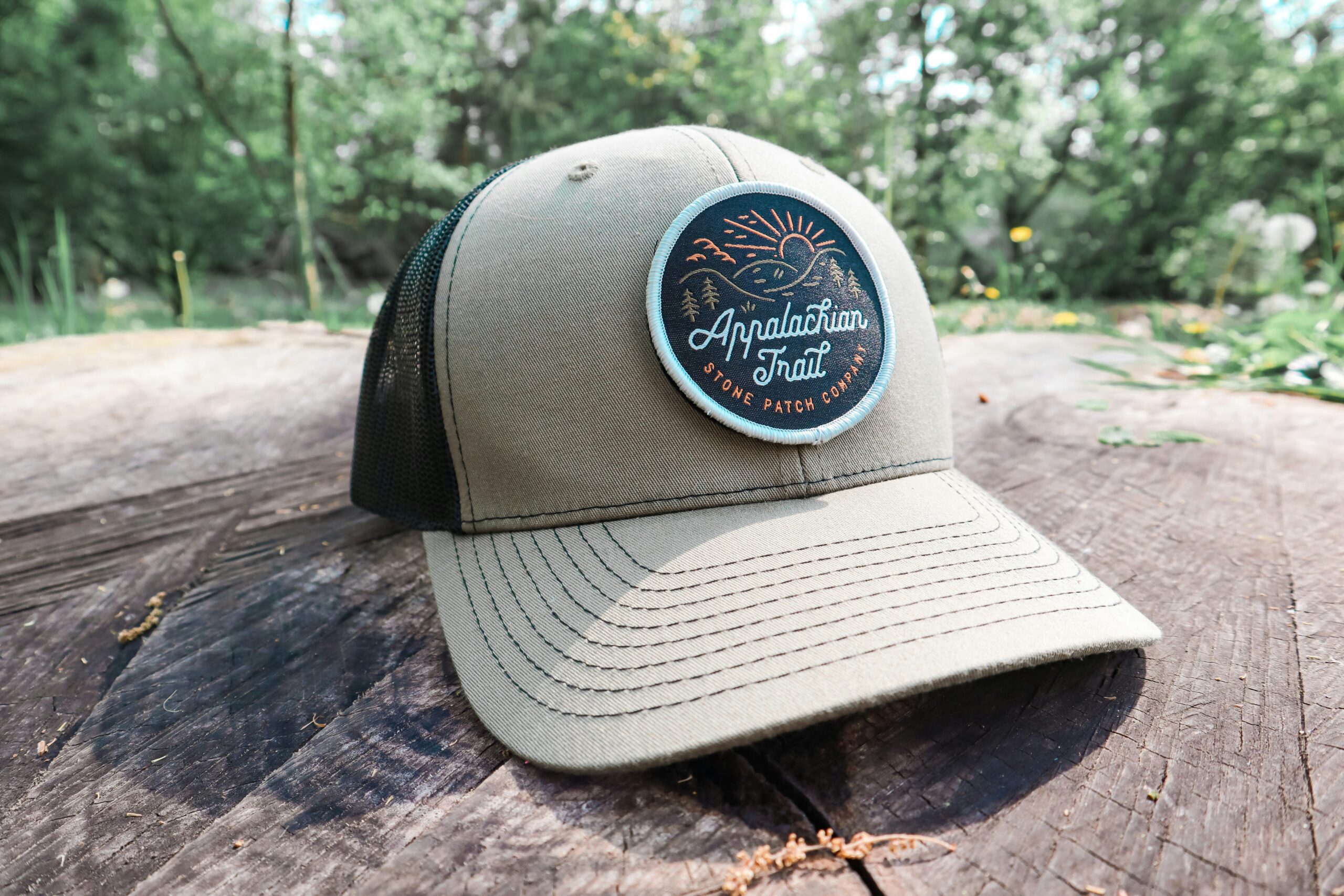
Trucker Hats
Discuss your required silhouette, materials and custom branding with our team.
Also explore baseball caps, snapback caps, bucket hats and visor caps.
Frequently Asked Questions
How do I find my cap size?
Measure your head using the method described for the actual product, then compare the result with that product’s applicable chart. Use a flexible tape and a stated unit. Do not assume a size label from another brand gives the same fit. Where possible, assess the cap itself because shape and construction also influence comfort.
Is head circumference the same as cap circumference?
No. A head measurement describes the wearer, while a finished cap measurement describes the product under a particular method and condition. Label the two clearly in your records. The relationship should be established through the applicable product specification and fit review rather than assuming the figures can always be exchanged without explanation.
Does an adjustable cap fit everyone?
An adjustable closure changes the opening, but crown depth, shape, materials and usable closure settings still matter. Review the actual cap and approve an intended fit range where appropriate. Avoid treating a generic one size label as evidence that the product suits every wearer. Publish customer guidance that reflects the actual approved style.
Why can two caps with the same size feel different?
Their crown proportions, internal support, sweatband, materials and closure construction may differ. A size label alone does not describe all those features. Compare the actual products and identify where the difference is felt. Keep dimensional results separate from personal preferences so development feedback can address the relevant part of the design.
What should a custom cap measurement sheet include?
Include product identity, measurement points, method diagrams, units, target values and agreed tolerances. State the closure setting and cap condition where relevant. Keep observed sample results in a separate comparison record. This helps the buyer, manufacturer and inspection contact distinguish the approved requirement from a measurement taken on one development sample.
Can I use another brand’s size chart for my own caps?
Do not present it as your product specification without establishing its applicability. Brand charts describe their own products and systems. Use them as background examples only. Create and approve guidance for the actual cap, with a clear measurement method and supported size information that aligns with labels, samples and customer facing product descriptions.
How should fit feedback be recorded?
Identify the sample version, size reference, closure setting and wearing condition. Ask reviewers to locate the concern and explain the experience rather than only say too large or too small. Consolidate comments before requesting changes. Separate measured differences, comfort observations and style preferences so the next development decision has a clear purpose.
What is the correct production size tolerance?
There is no single value established by this guide for every cap. Agree the tolerance for the actual construction and defined measurement method with appropriate technical contacts. Record it beside the target specification. If sample approval changes the intended requirement, revise the document so production and inspection teams are not left with conflicting references.
Does fit approval replace inspection of bulk production?
No. Sample approval establishes an agreed reference for the represented product. Production goods still need the applicable checks under the agreed inspection arrangement. Keep current samples, measurements and component references available to reviewers. Record deviations and corrective actions, and ensure unresolved differences are visible to the person authorised to decide the next step.
How can I discuss cap sizing with Jalal Hats?
Send the intended style, wearer brief, quantities by size or colour, artwork and any existing measurements or reference sample. Explain fixed requirements and areas where you need proposals. Ask the team to confirm available constructions and sampling arrangements for your actual project. Keep resulting fit decisions linked to the current specification and approved product reference.
Reference Resources and Related Buyer Guides
For examples of product specific sizing information, see the official New Era sizing chart and Flexfit sizing chart. These belong to their respective brands. They are not Jalal product charts and do not imply affiliation or endorsement. Confirm the applicable measurements and chart for your actual order.
Continue with our custom cap tech pack guide, sample approval guide, fabric selection guide, quality control checklist and cap packaging guide. Explore our company background or contact Jalal Hats & Apparels Ltd. with your size and fit brief.