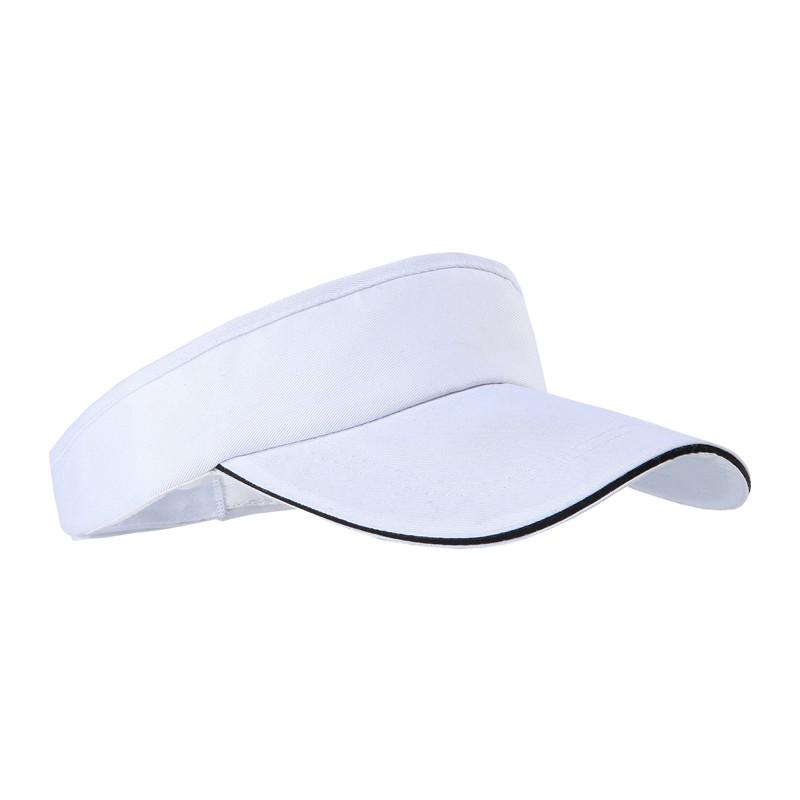
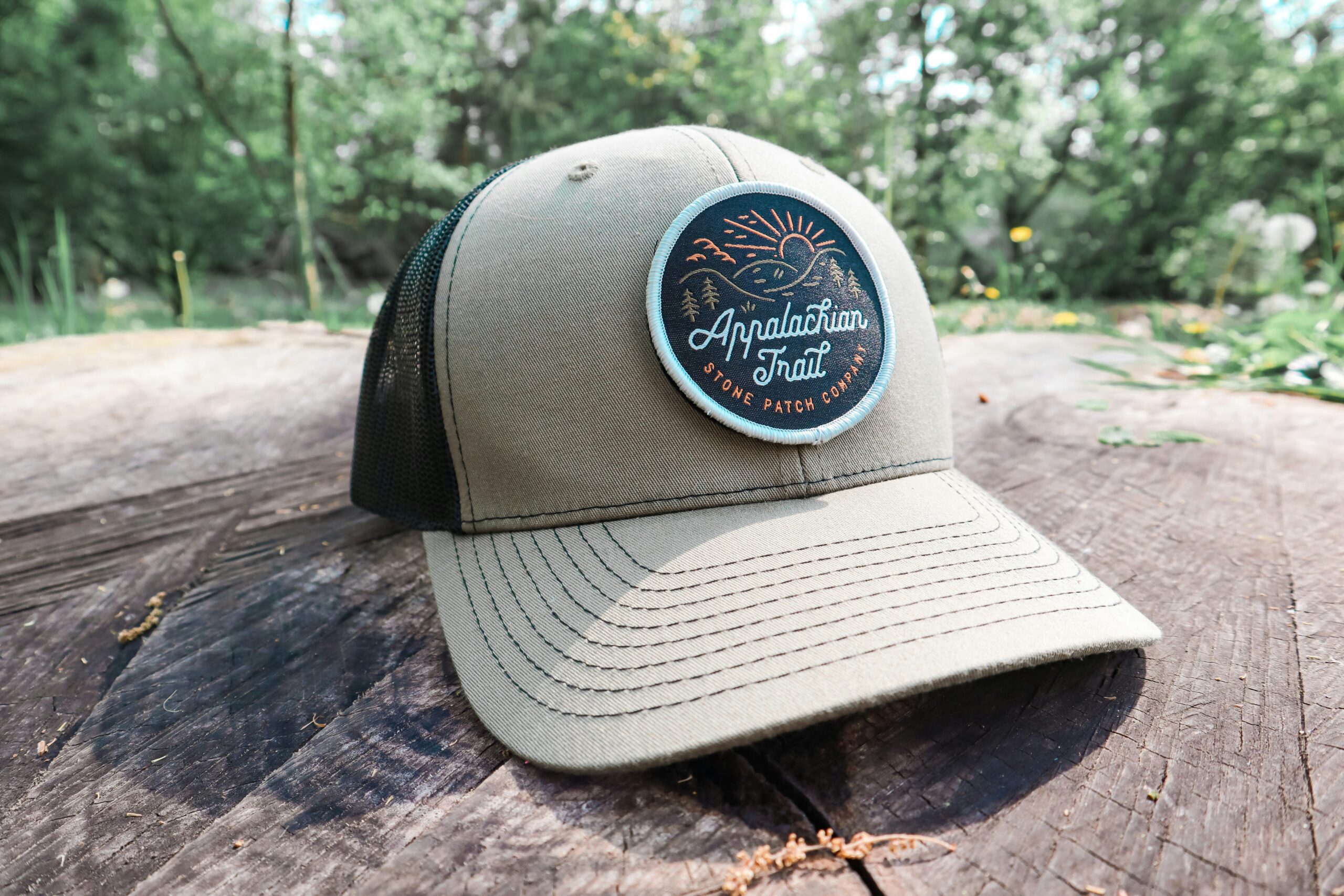
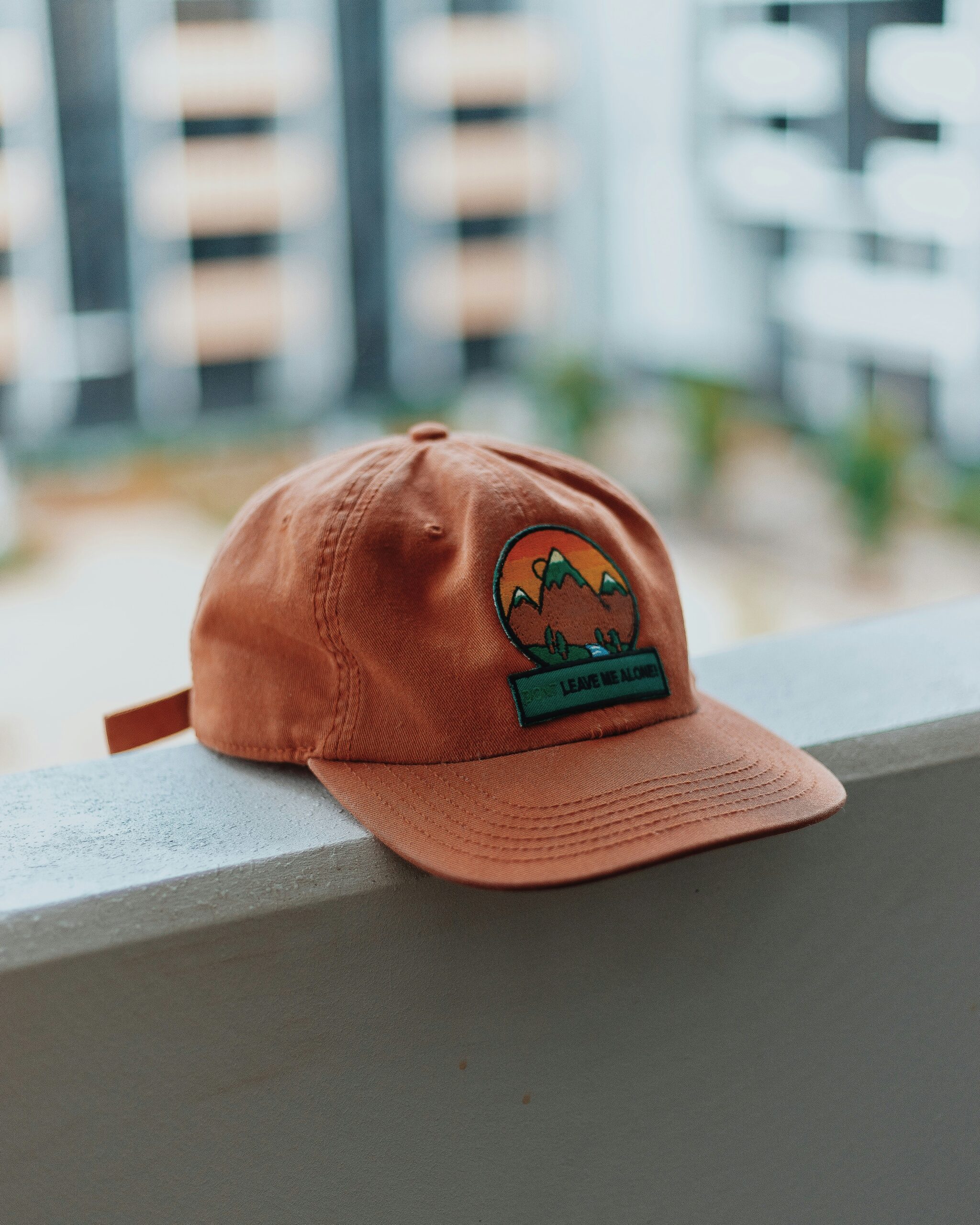
A private label cap carries several buying decisions in a small product. Its crown has to fit the intended wearer, the visor must hold the approved shape and the logo must look right when the cap is worn. A sample may achieve all three while leaving questions about bulk fabric, decoration consistency and packing unresolved. Buyers sourcing caps from Bangladesh should connect those decisions before releasing an order.
This guide follows a headwear programme from the initial brief to repeat production. It covers baseball caps, dad hats, trucker caps, snapbacks and bucket hats, with examples of how buyers can document specifications, compare quotations and check finished goods. The numerical examples are illustrative planning tools. Actual prices, order minimums, timing and acceptance criteria should be confirmed with the proposed supplier.
Choose the cap construction around its intended use
Start with the wearer and selling environment. A promotional cap for a short outdoor event may have different priorities from a retail style intended for regular wear. Record whether the buyer values a soft crown, a defined front shape, ventilation, adjustability or a particular decoration area. These priorities help the supplier propose a construction and explain what that proposal changes.
A structured baseball cap can support a pronounced front profile, while an unstructured dad hat usually gives a softer appearance. A trucker style introduces mesh panels and their junction with the front. A bucket hat depends on the relationship between the crown and brim around the whole head. Treat these as starting descriptions and request the actual construction details for the proposed style.
Ask the supplier to show relevant samples and discuss what will be copied from each. Buyers sometimes choose the fit from one reference, the fabric from another and the visor from a third. Put those selections into one specification so the sampling team can develop a coherent product. Record which reference takes priority if the samples disagree on a measurement or finish.
For product research, the Jalal Hats & Apparels baseball cap page provides a relevant starting point. When approaching a factory, ask how the chosen style relates to its proposed materials and production process. A useful response should identify open decisions, such as the front reinforcement or closure type, before the quotation becomes the basis for purchasing.
Write a specification the sampling team can use
Give the style a unique code and revision number. Include drawings or annotated photographs showing the front, back, sides and interior. Identify the panel arrangement, crown shape, ventilation details, sweatband, seam tape, closure, visor and any labels. For a bucket hat, show the intended brim profile and stitching. Explain which details affect the product identity and which can be proposed by the supplier.
Create a bill of materials that names the shell fabric, reinforcement, thread, trim and decoration components. Record known supplier article numbers and colour references. Where the supplier recommends an alternative, ask it to explain the difference in appearance, feel, performance or availability. Approve the selected option in writing and put its identifier into the latest specification.
Measurements need a method as well as a number. Describe where the tape sits for the crown height and how head circumference is measured. Specify the adjustment position used for an adjustable cap. Define visor length and width from agreed reference points. Attach a simple measurement diagram so the buyer and factory can repeat the check on later samples.
Keep order quantities separate from the size of a sample request. Show the proposed units by style, colour, size where applicable and logo version. An estimate is acceptable at an early stage if it is labelled provisional. Give the supplier a date for the final breakdown and ask which changes would affect material ordering or the production schedule.
Review fit across the intended wearer range
An adjustable closure gives the buyer a range to assess. Check how the crown sits when the closure is near both ends of the proposed usable adjustment. A cap that looks balanced at its middle position may pull differently when tightened. Ask wearers to move naturally and note pressure around the forehead, contact near the ears and whether the visor changes position.
For a fitted or sized bucket hat, agree the head measurements each size is intended to serve. Evaluate the proposed size range using representative wearers where practical. Keep feedback tied to the size code and sample version. If the buyer asks for a deeper crown or a wider brim, review how that change affects the other dimensions before approving the revised pattern.
Assess comfort inside the product. Feel the sweatband edge, seam tape joins and decoration backing. Check whether a closure component contacts the head when adjusted. For a logo applied near the edge of a panel, inspect its interior finish as well as its face. Record the observation with a photograph showing the location and a short description of the intended correction.
Retain the accepted fit sample and its measurement report. A later fabric substitution or wash treatment may affect the shape, so ask which fit checks should be repeated. Keep the approval scope explicit. A sample can settle crown proportions while still awaiting the final fabric, colour or logo. The order file should show which of those decisions remain open.
Select fabrics colours and trims together
Evaluate the fabric on the proposed cap construction. A swatch helps the buyer judge colour and texture, while an assembled sample shows how that fabric behaves at curved seams and around reinforcement. Ask for the proposed fabric composition, construction, weight reference and finish. Record any tolerance that is important to your programme and confirm how it will be checked.
Review components that are expected to match. A navy shell, closure strap and embroidery thread may come from different sources. Place the submitted materials beside the approved references under the agreed lighting conditions. Approve the combination used on the product and record whether a deliberate contrast is intended. Keep photos for identification and physical references for later comparison.
For mesh styles, check the mesh colour, hand feel, opening appearance and attachment to the adjoining fabric. Review ventilation eyelets and top buttons for placement and finish. On a bucket hat, evaluate how the brim holds its profile with the selected fabric and reinforcement. Ask the factory to identify any treatment that changes the finished appearance after assembly.
Give replacements a controlled route. If the original closure becomes unavailable, request the proposed replacement with enough time to check its adjustment, colour and attachment. Record the affected style and quantities. Confirm who can approve the replacement and whether the pre-production sample must be updated. This prevents a purchasing substitution from becoming an unexplained difference in the delivered goods.
Develop a logo that works on the finished cap
Supply an editable artwork file where available and identify the required logo dimensions, position and colours. Explain whether the design is embroidery, a patch, print or another agreed method. A flat graphic does not show how a logo will read on a curved crown. Ask the supplier to propose a decoration sample on the intended material and construction.
For embroidery, review the outline, small lettering, filled areas and the way the fabric sits around the stitches. If the design crosses a seam, check that location on an actual cap. Ask whether the artwork needs adjustment to produce a repeatable result. Keep the revised file and its approval together so the factory can identify the artwork used for the accepted sample.
For a patch, check the edge finish, material, thickness and attachment. Ask the factory to show how it will sit when the cap is worn. For a print, review registration, coverage and position on the actual panel. If the order includes multiple decoration methods, identify the approval needed for each method and its relationship to the same style code.
Set a repeatable location check. Define the reference point for the logo and how placement is measured. Approve an acceptable appearance on a representative sample and explain how the inspector should handle visible deviations. For more headwear context, see the host site's custom embroidered cap guide. Discuss each proposed design with the supplier before committing to bulk decoration.
Understand what drives the minimum order quantity
Ask the supplier to explain the minimum quantity by style and colour. The answer may involve fabric availability, a custom dye lot, trim purchases, decoration setup or the production arrangement. A buyer considering several styles should ask whether any material can be shared and how that affects quantities. Keep the answer specific to the proposed order.
Separate a trial quantity from the final production plan. A small development run can help evaluate fit and appearance, but its material sourcing may differ from a larger order. Ask whether the trial uses stock fabric and whether that fabric will be available for replenishment. Record any differences between the trial and the intended bulk specification before assessing the result.
Build the first range around decisions you can manage. For example, a buyer may begin with one cap construction in two shell colours and one logo version. Additional colourways can require more approvals and create more combinations to inspect. Ask the supplier which combinations share an approved component and which need their own sample or material reference.
When minimums exceed the buyer's forecast, request options with their tradeoffs documented. A stocked colour or shared closure may be feasible, provided the buyer accepts the appearance and future availability. Compare the revised option against the original specification. Confirm the final minimum and the quantity split in the purchase order so the factory can reserve materials against the agreed version.
Compare the full quoted cost of the cap order
Send each supplier the same specification, quantities, decoration scope and delivery basis. Request a clear statement of what the quoted garment price includes. Identify separate charges for development, digitising, patches, labels, cartons or other agreed items. Confirm the currency and how the quote handles a revised colour split or artwork change.
Consider an illustrative order of 3,000 embroidered caps. Supplier A quotes a lower cap price but charges separately for labels and cartons. Supplier B includes those items in its cap price and has a smaller setup charge. Both quotations in the table use the same hypothetical product and commercial basis. Freight, taxes and any other excluded services would need separate treatment in an actual comparison.
| Cost item | Supplier A | Supplier B |
|---|---|---|
| Quoted cap price | $2.15 | $2.21 |
| Cap subtotal | $6,450 | $6,630 |
| Labels and cartons | $180 | Included |
| Setup charge | $120 | $80 |
| Order total | $6,750 | $6,710 |
| Effective cost per cap rounded | $2.25 | $2.24 |
The example shows why the buyer should calculate an order total. Supplier B's effective cost is slightly lower even though its quoted unit price is higher. The difference is small enough that sample quality, evidence of material availability and the proposed approval schedule could influence the decision more than the quoted price alone.
For a first order, ask how proposed changes will be priced. If the logo becomes larger or the buyer changes the closure, request an updated quotation referencing the new specification. Record when the earlier quotation stops applying. Retain that commercial record with the sample approvals so purchasing can check the invoice against the actual order scope.
Use sample approvals as production release decisions
Agree the purpose of each sample submission. A first prototype may answer questions about crown shape and visor proportions. A decoration submission may settle artwork on a particular fabric. The pre-production sample should bring the approved components together. Each approval should identify what has been accepted and what still requires a decision.
Consolidate buyer comments before returning them to the supplier. If the brand team requests a larger logo while the technical team is still reviewing crown height, send one dated comment sheet explaining both changes. Ask the supplier to identify any interaction between them. Name the person who can resolve a disagreement and approve the revised submission.
Keep the accepted physical sample with a matching specification revision. Label it with the style, colour, size if applicable and approval date. If the order has several variants, record which sample covers each one. The factory and inspection team need a reference they can match to the goods being produced, including any approved differences between colourways.
Release bulk work against a completed record. Confirm material references, approved decoration, fit measurements, packing requirements and any required test results. List exceptions and the person who authorised them. If a later change affects those decisions, update the record before the affected operation. A clear release point helps the buyer see what was agreed when production started.
Agree testing and inspection criteria before bulk
Build the test plan around the intended use and the buyer's product requirements. A dark shell next to a light sweatband or decoration may prompt a review of colour transfer. A material or finish intended for washing may require relevant care checks. Identify the component or finished product to be tested, the procedure, the acceptance criteria and the stage when the result is needed.
For example, AATCC TM8 assesses colour transfer by rubbing under controlled conditions, with dry and wet procedures. AATCC TM61 addresses colourfastness to accelerated laundering. Confirm suitability and the required conditions with the laboratory for the proposed material. Connect the report to the actual fabric, finish or submitted sample being approved.
Keep laboratory testing and visual inspection in the same order file. The inspector may need to assess symmetry, stitching, logo appearance and the shape of the finished cap. Agree how those observations will be recorded. Request measured evidence for a dimensional question and clearly identified photographs for an appearance issue. Give the supplier the approved reference before inspection begins.
If the programme uses a sampling plan for inspection, agree its lot definition, sampling method, acceptance rules and defect classifications in advance. Determine what happens when a lot is rejected and who can approve a reinspection. Keep the commercial release decision explicit. The buyer should be able to trace an accepted shipment to the inspection result and any authorised corrective action.
Plan material arrivals and production checkpoints
Build a calendar from the buyer's required handover date and work back through packing, final inspection, production and approvals. Ask the factory which components have to arrive before each operation starts. An available sewing line does not by itself settle whether bulk fabric, decoration materials and closures will be ready. The plan should identify both the material and production dependencies.
Request milestone updates with evidence appropriate to the stage. For material readiness, the supplier might identify received quantities and the lots reserved for the order. For first production, request representative finished pieces or photographs tied to specific variants. Keep each update dated and record the next action. Agree how quickly the supplier will report a change to the planned handover.
| Stage | Planning window | Evidence before moving on |
|---|---|---|
| Brief and quote | Days 1 to 5 | Specification assumptions and quantities confirmed |
| Development | Days 6 to 15 | Fit comments and decoration feedback consolidated |
| Pre-production approval | Days 16 to 23 | Materials and representative sample signed off |
| Bulk work and checks | Days 24 to 40 | First output and any corrective action reviewed |
| Packing and handover | Days 41 to 45 | Final quantities and shipment release recorded |
The timeline above is an illustrative sequence. It gives the buyer and supplier a way to discuss dependencies, with actual dates to be agreed for the order. If the buyer delays artwork approval, ask which operations can continue and which are affected. Revise the calendar using a confirmed decision and the supplier's updated material or production plan.
Before large quantities proceed through a sensitive operation, ask how the first output will be reviewed. Embroidery or patch placement is easier to discuss when the same issue has affected a limited quantity. Agree who can authorise a correction and how the factory will identify any pieces already affected. Keep the revised reference available to the operators and quality team.
Inspect headwear using the approved reference
Begin with the correct style, colour and approved sample. Check the cap from the front, back, sides and interior, using the same position for comparison. Evaluate panel alignment, crown shape and whether the visor is centred relative to the front. A sample viewed only from the front can hide a closure or seam problem at the back.
Measure the critical points agreed in the specification. For an adjustable cap, record the closure position used for the check. For bucket hats, compare the head opening, crown depth and brim dimensions using the agreed method. If the buyer and factory obtain different results, first confirm the measuring position and product condition before deciding which production adjustment is required.
Review decoration at a consistent viewing distance, then inspect the details. Check logo dimensions, alignment, colour, edges and any small lettering that matters to the design. Look inside the cap for the finish behind the decoration. Operate the closure and review its attachment. Handle the product as the wearer would, while keeping the agreed criteria available for a release decision.
Record findings by variant and identify the affected quantity as clearly as the inspection permits. Ask the supplier for the correction, its scope and the follow-up evidence. A photograph of one corrected cap should identify which work was repeated and how the affected lot was checked. Keep unresolved findings on hold until the assigned approver records the decision.
Pack caps to protect the approved shape
Agree packing with the factory before cartons and labels are ordered. Decide whether the product will be nested, individually packed or protected in another way suited to its construction. Review the proposed pack for pressure on the crown, visor and decoration. A packing sample gives the buyer a way to assess presentation and handling using the actual product.
Specify the carton markings and the information required on the packing list. Include the style, colour, size where applicable, quantity and destination allocation. If a carton contains mixed variants, the document should show the breakdown. Ask the supplier to keep carton identification consistent across labels, packing records and any inspection report used for shipment release.
For a cap programme distributed to several locations, agree who will sort the goods. For example, two retail branches may need different colour ratios from the same total order. Send the allocations before packing starts and reconcile them against the purchase order. Keep reserve or replacement stock identifiable so the receiving team can distinguish it from the planned branch quantities.
Confirm the handover responsibilities and the information the buyer needs before dispatch. Check packed quantities against approved quantities and document a shortage or substitution by variant. Send the final packing information to the receiving team in time for preparation. On arrival, use the same references to record discrepancies and connect any replacement request to the original shipment.
Verify material claims and prepare repeat orders
If the product will carry an organic, recycled or other material claim, ask which component the claim covers and what evidence supports it. The shell, mesh, sweatband and embroidery thread may have different compositions. Review the exact statement proposed for the product or packaging and ask the supplier to identify the records that support that wording.
Textile Exchange explains how its standards use verification across the supply chain. Its certification guidance is a useful reference when discussing scope and transaction records. Where such certification applies, check the relevant company, product scope and order evidence with the supplier and certification body as appropriate. Keep the approved claim with the material records for that style.
For repeat orders, retain the physical sample, measurement method, material identifiers and approved artwork. Review whether the same components are available before accepting a repeat quote. A supplier may need to replace a fabric or closure that has become unavailable. Request the replacement evidence early enough to check appearance, fit and decoration before deciding whether the product still meets the range requirements.
Review the first shipment's results before expanding the programme. Compare inspection findings, returns, fit feedback and delivery performance against the original decisions. Record which specifications worked and which need revision. A buyer extending the same branding across caps and garments can also review the coordination process described by Zastex Fashion on its Apparel Sourcing Company in Bangladesh homepage.
A worked example of a first private label cap order
Imagine a buyer developing a retail cap for two stores. The first proposal uses an unstructured crown, a curved visor and a small embroidered logo. The order will contain two shell colours, with the same closure construction and interior label. The buyer has a reference for the crown shape but wants the logo smaller than on that sample.
The buyer sends a style drawing and identifies the selected features from the reference. The supplier returns a proposed material list, an initial quotation and a sample plan. Before making the first sample, the team confirms the logo dimensions and discusses how its lettering will reproduce. The buyer supplies revised artwork after reviewing the supplier's proposed simplification of the smallest text.
The first sample fits the intended wearer at the central adjustment position. When tightened, however, its rear opening gathers more than the buyer expected. The buyer records the closure position and photographs the issue. The supplier submits a revised sample showing the proposed correction. Both parties update the measurement sheet and retain the accepted version for the fit approval.
Next, the supplier submits the two shell colours with the closure strap and embroidery thread. One combination creates more contrast between the strap and shell than the buyer intended. The supplier proposes an alternative strap and explains its availability. The buyer accepts that combination, records its identifier and asks for it on the pre-production sample.
Before bulk release, the team reviews the sample made with the approved materials and decoration. Purchasing confirms the final quantities by colour. The buyer and factory agree which early production pieces to inspect and the evidence needed before the order moves to packing. The approval record links the style revision, physical sample, material references and any required reports.
During the first production check, a logo sits lower than the accepted reference. The inspector records the measured location and identifies the affected variant. The supplier corrects the placement setting and explains how it will check the pieces already decorated. The assigned approver reviews that follow-up evidence and records which goods can proceed.
At packing, the buyer gives the supplier a colour allocation for each store. The final packing list shows those allocations against carton numbers. The receiving teams use the same numbers to confirm what arrived. Their fit and presentation feedback goes into the repeat-order record, alongside any changes the buyer wants to assess before replenishment.
Questions to settle before placing the order
Before confirming a first bulk cap order, read the specification and quotation together. Check that they identify the same construction, material references, decoration, quantities and delivery basis. Ask the supplier to list unresolved items in a short approval record. Each item should have a decision owner and a date, allowing the buyer to see whether production can proceed.
Keep contacts and responsibilities clear across organisations. The manufacturer may handle sampling and production directly while another party coordinates buyer comments or inspections. Agree which person issues the consolidated technical instructions and which person can authorise a commercial change. Store decisions where the buying, quality and production teams can find the current version.
A private label cap programme becomes easier to repeat when the first order leaves an accurate record. The next buyer or factory contact should be able to identify the approved shape, materials, logo and packing arrangement without reconstructing the discussion. That record gives the team a practical starting point for replenishment, a new colourway or an extension into another headwear style.
Frequently asked questions
What information should I send for a custom cap quotation?
Send the style drawing or reference cap, material requirements, colour references, logo artwork, proposed quantities by variant, packing instructions and required handover date. Identify which details are provisional. Ask the supplier to state its assumptions and the specification revision used for the quote so that later changes can be priced and approved against a clear record.
What determines the minimum order quantity for private label caps?
Minimum quantities can be influenced by the cap construction, fabric and trim availability, custom colours, decoration setup and the factory's production arrangement. Ask for the minimum by style and colour for your proposed specification. If you need a smaller first order, request documented alternatives and check how the selected material or trim will be available for a repeat.
How do I check the fit of an adjustable cap?
Use the agreed measurement method and assess the cap at representative points within the intended adjustment range. Check how the crown sits, whether the closure causes discomfort and whether tightening affects the visor position. Record the sample version and closure setting used for the review. Keep the accepted sample and measurement sheet together for comparison during production.
Should I approve the embroidery before approving the whole cap?
A decoration submission can resolve artwork, thread colour and stitch appearance, while a complete cap shows the result on the final construction. Record the scope of each approval. Before bulk production, review a representative pre-production sample using the approved materials and decoration, with any temporary substitutions or unresolved decisions clearly identified in the approval record.
How long does a bulk cap order take?
Confirm timing with the proposed supplier after reviewing materials, decoration, quantities and approval requirements. Ask which event starts the quoted lead time and which buyer decisions control the schedule. Record material arrivals, sample approvals, early production checks, packing and handover dates. Update those dates when an approved change affects a dependency in the plan.
Which checks should I agree before inspecting bulk headwear?
Agree the reference sample, critical measurements, measurement methods, visual criteria, decoration position, closure checks and packing instructions. If using a sampling plan, define its lot, method and acceptance rules in advance. Record how findings will be corrected and who authorises release. Keep any required laboratory reports linked to the relevant material or product submitted for testing.
Can a recycled fabric claim cover every component of a cap?
Review the exact claim and supporting evidence for each relevant component. The shell, mesh, sweatband, closure and decoration may use different materials. Ask the supplier to identify the scope and records supporting the proposed wording. Where a certification applies, confirm the relevant organisation, product coverage and transaction evidence before approving the claim on a label or product description.
What should I keep for a repeat cap order?
Retain the signed sample, measurement report, material and trim identifiers, artwork files, decoration approval and packing instructions. Review the first shipment's findings and wearer feedback before changing the specification. Ask the supplier to confirm component availability for the repeat and submit any proposed substitutes for review before the new order moves into production.