
Custom Cap Order Checklist: a practical enquiry-to-receiving guide from Jalal Hats & Apparels Ltd. for brands, importers, uniform buyers and promotional headwear programmes.
Published 21 October 2026. Use the steps below to organise product decisions, compare quotations and retain clear approval references. Confirm actual options, commercial terms and schedules for your project. The illustrative scenario is fictional and does not report a customer order.
1. Define the Order’s Purpose and Decision Owner
A custom cap order checklist starts with the purpose of the purchase. Explain who will wear the caps, where they will be distributed and which qualities matter most. A retail launch, uniform programme and event campaign can require different priorities even when the preferred silhouette looks similar.
Name the person responsible for the final product decision. Designers, purchasing staff and distribution contacts may contribute, but conflicting instructions need one agreed resolution. The manufacturer should receive a coherent brief rather than several competing versions of the same request.
Identify the stage of the project. An exploratory enquiry can contain open choices, while an order ready for production needs identifiable approved requirements. Do not make a preliminary idea appear complete simply because it has been placed in a purchase spreadsheet.
This guide from Jalal Hats & Apparels Ltd. provides a practical framework for buyer preparation. It does not establish universal order terms or a fixed factory workflow. Confirm the applicable process for your actual project and use the checklist to keep decisions visible as the cap moves from concept to production and receiving.
2. Select a Style through Product Requirements
Choose the cap style by connecting its features with the intended use. Compare crown shape, panel arrangement, visor direction and closure before deciding that a particular style name answers the brief. Baseball caps, dad hats and trucker styles can each vary within their broad categories.
Attach reference images with short explanations. One image may show the preferred profile while another illustrates a fabric surface or decoration location. Explain those priorities so a sampling contact does not interpret every visible feature as a production requirement.
Review the complete cap rather than select components independently. A fabric, structured front and large patch can produce a different result from the same fabric in a relaxed design. Ask the team to discuss a suitable combination for your project.
Record the selected direction in the order brief and label alternatives clearly. A custom cap order checklist should help the buyer decide which option is current without deleting the context of earlier discussions. Use an identifiable product code so the style remains recognisable when several colourways or later revisions are introduced.
3. Prepare a Clear Quantity and Assortment Sheet
State the total quantity and break it down by product, colourway and size where applicable. An enquiry that mentions only a total can leave the manufacturer unable to assess the actual variety involved. Make the allocation clear enough to connect with artwork, labels and packing.
Check arithmetic before issuing the sheet. If the total and individual rows disagree, resolve the difference rather than expecting the supplier to choose the intended value. Use consistent product codes across the assortment and technical brief.
Separate confirmed quantities from options being explored. You may request an alternative quotation for a different allocation, but identify it as an alternative instead of combining two possible orders in one ambiguous table.
Ask the company to confirm feasibility and applicable commercial arrangements for the actual assortment. This article does not publish current minimum order quantities or promise that every combination is available. The useful buyer action is to provide a coherent quantity plan and request a specific response. Keep the accepted allocation linked to the quotation and order reference so later changes can be reviewed clearly.
4. Make the Technical Brief Specific Enough to Quote
A technical brief should explain the intended product without requiring the buyer to invent unfamiliar manufacturing settings. Include clear views, materials, colourways, measurements, artwork locations, labels and packing expectations. Identify what is fixed and what requires a proposal.
Use the custom cap tech pack guide as a companion when organising those pages. The purpose is a shared reference that can be discussed and revised, not a lengthy document full of uncertain figures presented as final requirements.
Give the brief a revision identifier and an owner. When a change affects the product, update the current issue and tell relevant contacts which earlier reference it replaces. This prevents a quotation based on one version from being mistaken for an offer covering another.
The custom cap order checklist should connect the technical and commercial records. Before comparing prices or authorising production, identify the product version being discussed. A small difference in fabric, decoration or packing can affect the scope. Clear references make those differences visible rather than leaving them hidden behind the same general style description.
5. Confirm Materials and Component References
Identify the proposed crown fabric, visor components, sweatband, closure, support and decoration materials as relevant. A broad description such as premium cotton cap does not establish all those choices. Ask for identifiable references and clarify which parts remain provisional.
Review materials in the intended construction. A swatch can communicate texture and colour, while the finished sample shows how it interacts with seams, support and artwork. Both can be useful, but they do not provide identical information.
Ask how substitutions will be handled. If an original material becomes unavailable, the buyer should understand the proposed alternative and its effect before it is treated as accepted. A similar colour name or composition label does not prove equivalence in every visible characteristic.
Retain approved references with the current product record. The fabric selection guide offers additional questions for this discussion. A custom cap order checklist should keep material decisions linked to the actual sample and quotation so the manufacturing and inspection contacts can recognise the accepted combination instead of reconstructing it from isolated messages.
6. Control Artwork and Decoration Locations
Send authorised artwork in the clearest available format and identify the intended size, colours and placement. Separate the front, side and back designs when the cap has several decoration locations. Each should have a recognisable file version.
Explain how the artwork relates to seams and panels. A vague instruction to centre a logo may leave important details open on a cap with a centre seam or unusual front shape. Drawings and marked references help communicate the intended result.
Ask for a physical decoration trial where the design and material combination require confirmation. Fine lettering, patches and printed details can look different on a curved assembled cap from how they appear in a flat digital preview.
Keep approved artwork changes visible. If the buyer accepts a simplified detail during sampling, revise the current reference rather than leave the original file beside an informal approval message. The custom cap order checklist should make it clear which file, dimensions and application belong to each product, reducing ambiguity when the project moves into bulk work.
7. Define Size, Fit and Measurement Methods
Specify how the cap should be measured and which fit requirements matter. Identify points, units, closure settings and sample conditions where relevant. A measurement without a method can be difficult to compare even when each reviewer records it carefully.
Distinguish wearer information from finished cap dimensions. A customer’s head circumference and a manufacturing measurement serve different purposes. Keep them clearly labelled instead of assuming a single size figure describes both.
Review the assembled sample for crown depth, internal comfort and intended appearance. An adjustable closure does not make every design suitable for every wearer. Use product specific information and appropriate feedback to approve the fit direction.
Agree tolerances with suitable technical contacts for the actual construction. Do not copy values from an unrelated style as universal rules. The cap size and fit guide explains this planning process in more detail. Keep final fit approval linked to the component combination and specification revision so the production team knows exactly which product has been accepted.
8. Request a Quotation with Visible Assumptions
A useful quotation identifies the product and scope being priced. Send the same current brief when comparing offers and ask each supplier to explain assumptions or alternatives. A unit price alone may conceal different fabrics, decoration methods or packing arrangements.
Clarify the quantity basis, currency and relevant inclusions directly. Identify whether the response is an early estimate or an offer based on the approved product. Where information is missing, ask what is needed to confirm the actual terms.
Keep sample arrangements distinct from bulk production scope. Development work, revisions and shipment of samples may involve separate discussions. Avoid assuming every later design change is included in an initial estimate.
The custom cap order checklist should help purchasing staff compare equivalent products rather than simply select the smallest number. Retain the accepted quotation with its specification reference and review changes explicitly. This guide does not establish current pricing or standard payment conditions for Jalal Hats. Confirm commercial commitments through the company’s normal project process for the actual order.
9. Review Supplier Information against Your Needs
Review the company’s published background, product information and contact channels, then ask focused questions about your project. A website can help establish context, but it does not independently confirm every capability required by a particular order.
If a document or credential matters to your purchasing requirements, request relevant evidence and review its scope. Do not expand a general company statement into a claim that every product, material or shipment is covered. Ask which information applies to the goods you intend to purchase.
Use consistent questions when comparing potential suppliers. Discuss sampling, technical communication, quality review and handling of changes. The most useful response addresses the actual product brief rather than repeating broad claims about being the best factory.
Keep the evaluation proportionate to the order and your organisation’s requirements. This article does not report a supplier audit or provide an independent performance rating. A custom cap order checklist supports preparation by helping the buyer identify unanswered questions and request project specific confirmation before making the next purchasing decision.
10. Agree the Sampling Sequence before Development
Ask which sample stages are proposed and what each stage is intended to establish. An early development cap may help assess silhouette while a later version represents final materials and decoration. Name the purpose and limitations of the deliverable.
Confirm the sample scope, charges, dispatch arrangements and expected review sequence directly. There is no universal sample price or timeline suitable for every custom cap project. The actual arrangement depends on the requirements being developed.
Identify buyer responsibilities as well. Artwork, colour references and consolidated feedback may be needed before the team can progress. A target launch date should not be treated as evidence that all preceding decisions can be completed without an agreed plan.
Use the sample approval guide to organise the review. Keep the relevant product code and specification version attached to each sample record. The custom cap order checklist should show what decision is due next, who owns it and which evidence will allow that decision to be made without concealing unresolved components or design changes.
11. Consolidate Corrections and Final Sample Approval
Collect buyer feedback into one coherent revision list. Identify the sample version, observation, requested result and supporting reference for each point. Resolve internal disagreements before asking the manufacturer to act on conflicting instructions.
Separate required corrections from new design ideas. If a cap differs from the agreed brief, describe the correction. If the buyer now prefers another fabric or crown profile, acknowledge that the product direction has changed and discuss the practical implications.
Approval should identify accepted elements and any remaining conditions. A positive comment about the logo is not automatically approval of the fit, labels or packing. State what the decision authorises and what still needs review.
Retain an identifiable final reference and update the technical brief accordingly. The custom cap order checklist should help the team recognise the current sample, artwork and specification as one consistent product. Do not rely on silence or an ambiguous approval message to settle important open requirements before the bulk production decision is made.
12. Identify Testing and Product Information Requirements
List the properties or customer facing claims that need evidence. Visual sample approval does not automatically establish composition, colourfastness, chemical properties or every functional characteristic. Discuss appropriate evaluation with competent technical contacts where these requirements matter.
Keep evidence linked to the actual material and construction. A report for another component or an earlier version may not support the claim intended for the current cap. Identify what was assessed and what remains outside its scope.
Review labels and product descriptions before artwork is printed. Destination related wording may require specialist advice for the actual market and product. This general ordering guide does not replace that review or prescribe universal compliance instructions.
The buyer should understand the difference between a stated requirement and evidence that it has been met. Record pending tests or information decisions visibly. A custom cap order checklist is more useful when it shows those limits than when every row is marked approved because the sample looks attractive. Assign responsibility for closing each relevant item before the next authorised stage.
13. Plan Quality Review before the Shipment Deadline
Agree the quality review arrangement while the product is being developed. Identify the current sample and specification, relevant observations, measurement methods and reporting requirements. Waiting until dispatch preparation to define expectations can leave important decisions unresolved.
If acceptance sampling is used, select an appropriate plan with a competent inspection professional. ASQ provides background on sampling systems. A familiar AQL figure alone is not a complete quality plan or a guarantee that every item is free of defects.
Separate product requirements from the method used to collect evidence. The specification describes the intended cap; the inspection arrangement determines how observations are made and evaluated. Both need to be understood by the release decision maker.
Use the cap quality control checklist as a companion for construction, decoration, fit and packing questions. Record findings and corrective actions clearly. The custom cap order checklist should show the agreed review stage and responsibilities so the buyer is prepared to make an informed decision rather than improvise an acceptance process under shipment pressure.
14. Approve Packaging and Receiving Instructions
Packing should be discussed with the product, not added only when goods are ready. Identify the intended protection, nesting or grouping, individual presentation and carton information. Review a representative arrangement for the actual cap.
Ask the receiving team for current instructions. A warehouse, retail store and event distribution point may need different assortment and identification. Make those differences visible in the order record so the manufacturer does not have to guess the destination process.
Check that labels, product codes and carton allocation match the accepted assortment sheet. A well made cap can still create receiving problems when the packing information describes the wrong contents.
Use the custom cap packaging guide to prepare a focused approval discussion. Where transport evaluation is required, arrange suitable specialist input for the actual package and route. This article does not establish a universal packing specification. Retain the accepted reference and review changes before dispatch so the physical pack and its linked information remain consistent.
15. Confirm Milestones and Manage Open Decisions
A milestone plan should connect actions with prerequisites. Material confirmation, artwork review, sampling, corrections, production checks and packing may each require information from another party. Identify those dependencies rather than placing unexplained dates in a calendar.
Ask relevant contacts to confirm the proposed sequence for the actual order. Distinguish a desired date, a provisional estimate and a confirmed commitment. Update the record when changes affect the agreed plan.
Assign an owner to each open decision. A pending label file or fit correction should have a clear next action and responsible person. This makes progress discussions practical without inventing completion percentages that do not reflect the project’s condition.
Keep the buyer’s launch planning connected to the order status. Do not assume a general online production timeline applies to a customised programme with unresolved requirements. A custom cap order checklist should help everyone understand what can proceed, what is waiting and what evidence will close the remaining decision. Clear communication supports realistic planning throughout the project.
16. Prepare Shipment Information through the Right Contacts
Discuss the shipment arrangement with the company and the buyer’s logistics contacts using the actual order details. Confirm the destination, responsible parties and required information through the normal project process. Avoid treating an educational article as a shipping offer.
Ensure product descriptions, quantities and packing references are consistent across the records being prepared. If goods are repacked or allocation changes, review linked information before it is treated as final.
Where customs, import or other destination requirements need specialist input, involve the appropriate adviser. This checklist does not prescribe duties, classifications or legal documents for every market. The relevant professionals should assess the actual product and route.
Keep shipment preparation distinct from final product approval. A booking or document draft does not establish that unresolved quality findings are closed. The custom cap order checklist should identify both the shipment tasks and the authority for releasing goods. This helps prevent an administrative milestone from being mistaken for evidence that every product and packing requirement has already been met.
17. Control Changes after Order Confirmation
Changes can affect product, price, timing, inspection and packing together. Establish how a proposed revision will be described and who can approve it before it is implemented. A change request should identify the affected product and current reference.
Ask for the practical effect of the proposal. A substitute closure or revised fabric may alter appearance or fit even when its general description sounds similar. Review the actual difference instead of assuming equivalence from a shared colour name.
Update linked records when a revision is accepted. Artwork, component lists, quotations, assortment and packing instructions should not continue to describe an earlier product without explanation. Keep one active reference and identify superseded versions clearly.
The custom cap order checklist should make changes visible without making routine communication unnecessarily complicated. A concise record of the decision, owner and affected documents can be enough to prevent confusion. The important point is that the manufacturer, buyer and inspector can recognise the same final product and the terms relevant to the revised order.
18. Organise Receiving Feedback and Future Reorders
Give the destination team the relevant product and packing references before arrival. Staff should know what to expect and how to identify a discrepancy. Product codes, carton references and clear photographs make feedback easier to investigate.
Separate observations about workmanship, assortment, packing and transport condition. A general statement that the order is wrong gives the team little evidence to act on. Record what was found and the conditions under which it was assessed before drawing conclusions.
Review feedback before placing a repeat order. Decide whether it calls for a clearer instruction, a product change or a different packing arrangement. Retain the accepted revision with the earlier reference so the transition is understandable.
Reconfirm current materials and commercial arrangements for reorders. A familiar style name does not establish that every component and term remains unchanged. The custom cap order checklist can become a reusable project record when it connects development, manufacturing and receiving, helping the next enquiry begin with clear evidence rather than an assumption that everyone remembers the earlier decisions.
19. Follow an Illustrative First Order Scenario
Consider a fictional buyer planning embroidered caps in two colours for a retail collection. The initial enquiry provides a total quantity and a logo but leaves the colour allocation, fit and packing open. A quotation at this stage needs visible assumptions.
The buyer creates product codes, supplies a quantity split and develops a current technical brief. The sampling discussion identifies a proposed fabric and closure. Feedback is consolidated, and the accepted sample is linked to revised artwork and measurement references.
Before bulk approval, the buyer confirms labels, inspection arrangements and receiving instructions. A later packing adjustment is recorded in the allocation sheet and carton information together. The release decision uses the current references and relevant evidence rather than an outdated sample photograph.
This scenario is illustrative, not a Jalal customer case or a measured factory result. It shows how connected decisions make an order easier to understand. The useful checklist does not merely accumulate ticks; it identifies what has been agreed, what remains open and which person or reference can resolve the next question.
20. Send a Focused Enquiry to Jalal Hats
Send Jalal Hats & Apparels Ltd. the intended style, quantities by variant, artwork, reference images and destination information. Explain the current development stage and identify your fixed requirements. Highlight open questions where you would welcome practical proposals.
Use one current brief and a short list of decisions needed next. If a reference image illustrates only the crown profile, say so. If an existing sample controls fit, identify it clearly. This helps the team respond to the actual enquiry rather than infer requirements from a broad product name.
Ask for confirmation of available options, sampling arrangements and quotation scope for the project. Product availability, minimum quantities, prices and schedules require direct agreement. The company photographs in this article provide context and are not evidence of the capacity or status of a specific order.
Use this custom cap order checklist alongside the linked technical guides. The goal is a clear approved cap and an understandable purchasing record from enquiry through receiving. Contact the company through its published website channels to discuss your next development or sourcing step.
Custom Cap Order Checklist: Stage and Evidence Table
Assign the relevant decisions to named people in your project. Keep an item open when its evidence or approval is still pending. The table is a planning aid, not a universal factory workflow or an automatic production authorisation.
| Order stage | What to confirm | Record to retain |
|---|---|---|
| Enquiry | Intended use, style and variant quantities | Current buyer brief |
| Quotation | Product version, assumptions and inclusions | Accepted project offer |
| Materials | Fabric and component references | Approved materials record |
| Artwork | Authorised file, size and placement | Current artwork revision |
| Fit | Measurement method and sample feedback | Approved specification |
| Sampling | Purpose, scope and open conditions | Sample decision record |
| Product information | Labels, tags and supporting evidence | Approved information files |
| Quality review | Scope, method and responsible contacts | Inspection arrangement |
| Packing | Protection and destination allocation | Accepted packing reference |
| Production changes | Affected requirements and approvals | Revision record |
| Release | Findings, corrections and decision | Current release evidence |
| Receiving | Product identification and feedback | Arrival and reorder record |
A Useful Open Decision Record
For each unresolved item, record the product code, question, responsible contact, evidence needed, current status and agreed next action. Identify whether a date is provisional or confirmed. Update linked documents when the decision changes the product. This gives project discussions a practical focus without presenting a decorative progress percentage as proof that an order is ready.
Real Factory Images and Related Products



Dad Hats
Discuss your required silhouette, materials and custom branding with our team.
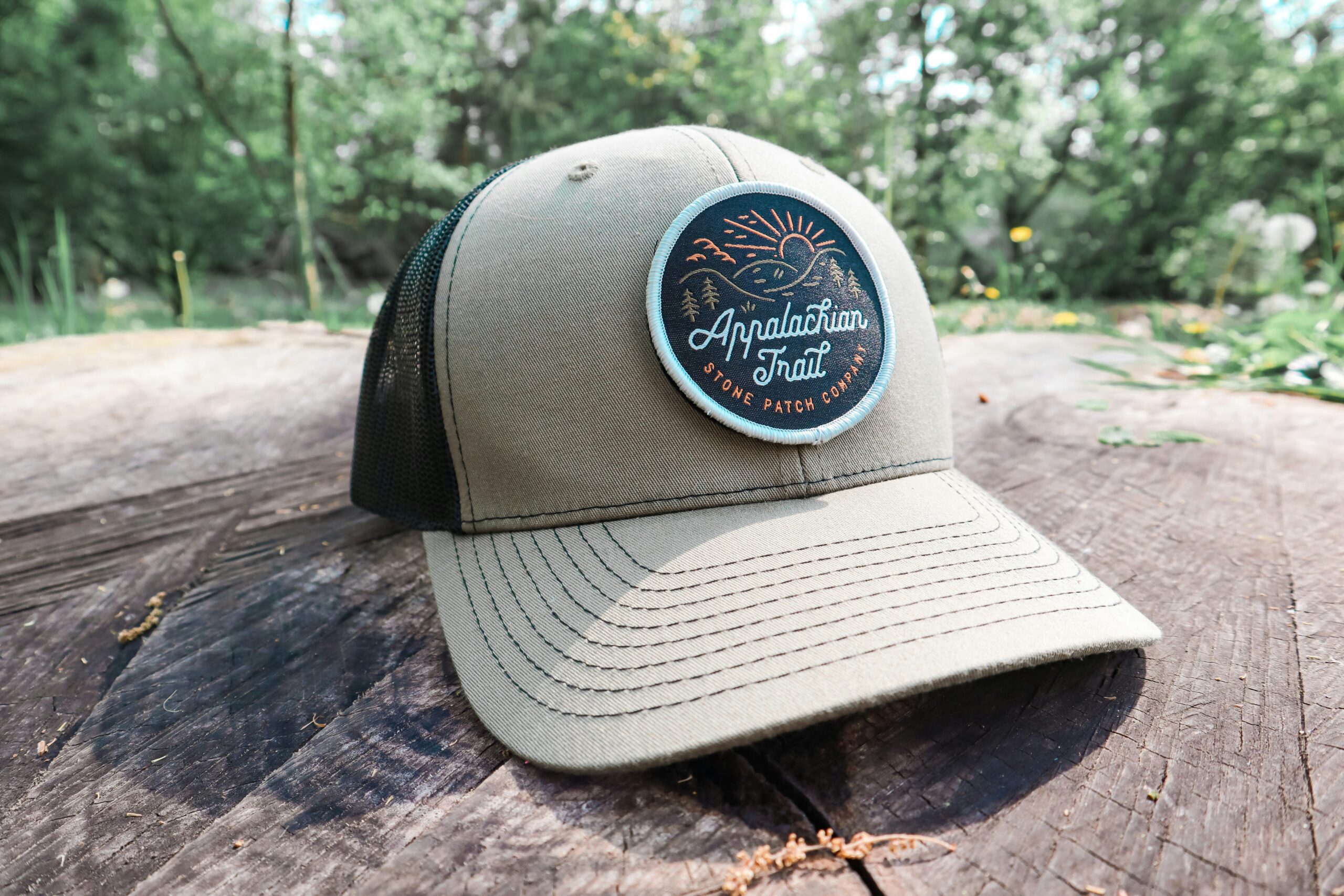
Trucker Hats
Discuss your required silhouette, materials and custom branding with our team.
Also explore baseball caps, snapback caps, bucket hats and visor caps.
Frequently Asked Questions
What should I prepare before requesting a custom cap quote?
Prepare the intended style, quantities by colour or size, artwork locations, material preferences, reference images and packing expectations. Identify which choices are confirmed and which need proposals. Send one current brief so the supplier can explain assumptions clearly. A total quantity and a logo alone may leave important parts of the product undefined.
Do I need a complete tech pack for my first enquiry?
You can start with a clear brief, authorised artwork and explained reference images. Mark open decisions honestly rather than inventing technical values. Develop the pack as requirements are agreed. Before bulk approval, reconcile the current specification, sample and component references so the manufacturer and buyer understand the same intended cap.
Is there a standard minimum quantity for every custom cap order?
This guide does not establish a universal minimum or current Jalal requirement. The actual arrangement depends on the proposed product and assortment and must be confirmed directly. Provide the quantity split by style, colour and size, then ask the team to confirm feasibility and applicable commercial terms for that specific enquiry.
How should I compare quotations from different suppliers?
Compare offers against the same product version, quantities, materials, decoration and packing scope. Ask suppliers to identify assumptions and alternatives. A lower unit price can reflect a different cap or excluded work. Keep the accepted quotation linked to the relevant specification so later product changes are reviewed rather than silently treated as part of the original offer.
Does an attractive sample mean the order is ready for production?
Only if the relevant requirements and approvals are actually complete. The sample may represent appearance while labels, material evidence, packing or other conditions remain open. Record what has been accepted, what is still pending and what the decision authorises. Keep the current sample, artwork and specification consistent before the next production step.
What quality checks should be agreed before shipment?
Agree the applicable product references, measurement methods, inspection scope, reporting and release responsibilities before the deadline. Use suitable professional input when selecting a sampling plan. Review construction, decoration, fit, assortment and packing as relevant. A sample approval or a familiar AQL number alone does not establish the condition of every finished piece.
Can I change fabric or artwork after confirming the order?
A change may be possible, but its practical and commercial effect must be reviewed with the manufacturer before implementation. Identify the affected product and reference, request an explanation of implications and obtain the relevant approval. Update artwork, specifications, quotations or other linked records so the revised order remains clear to all responsible contacts.
Should packaging be included in the original brief?
Yes. Identify the intended presentation, protection, assortment and receiving requirements early enough for review. Confirm the proposed arrangement with the product and keep carton information consistent with actual contents. If the destination team has specific instructions, provide the applicable approved details rather than asking the manufacturer to guess how the goods will be handled.
Can an online guide confirm delivery dates or import requirements?
No. Confirm the actual schedule, responsibilities and shipment arrangements through the project contacts. Destination specific customs or other requirements should be reviewed by appropriate specialists for the actual goods and route. An educational checklist helps identify questions and dependencies; it is not a current shipping quotation or a substitute for that assessment.
How do I start an order discussion with Jalal Hats?
Use the published contact page and send your style, quantities by variant, artwork, references and destination information. Explain the stage of development and list the decisions you need next. Ask the team to confirm options, sampling steps and quotation scope for the actual project. Retain agreed decisions in one current order record.
Sources and Related Ordering Resources
For background on inspection sampling, consult ASQ’s sampling resources. For programmes using standard product identification, review GS1 barcode information. These resources support informed questions; they do not establish conformity or approval of a particular cap or shipment.
Continue with the custom cap tech pack guide, sample approval guide, cap size and fit guide, quality control checklist and cap packaging guide. Explore our company background or contact Jalal Hats & Apparels Ltd. with your actual order brief.