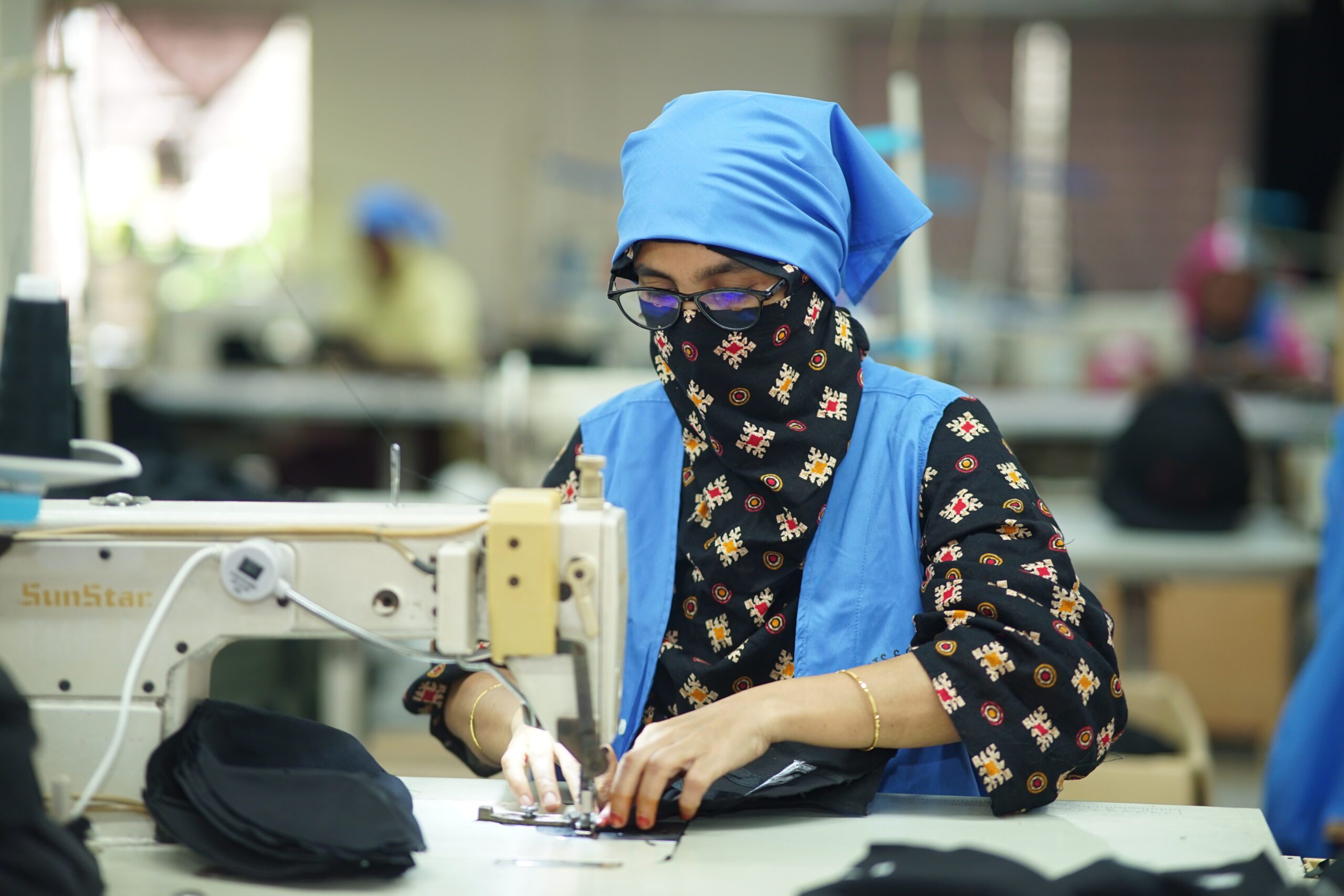
Cap and hat manufacturer in Bangladesh is a useful starting point for buyers researching custom headwear. This guide focuses on product development and explains the decisions that turn a product idea into an approved purchasing specification. Use it to prepare better questions, compare practical options and discuss your requirements with Jalal Hats & Apparels Ltd.
Published by Jalal Hats & Apparels Ltd. · Updated 10 October 2026. Company details are drawn from the About page and company profile. The guidance distinguishes general purchasing practice from project-specific commitments. Confirm prices, quantities, schedules and documentation with the team before ordering.
Developing a product with a cap and hat manufacturer in Bangladesh
Working with a cap and hat manufacturer in Bangladesh starts with a product idea, but production requires a much more precise definition. A reference photograph can communicate mood and silhouette while leaving important questions unanswered. What is the intended crown depth? How should the cap feel on the wearer? Which decoration details are essential? Development turns those questions into an approved manufacturing reference.
Begin by describing the wearer, sales channel and use. A retail collection, staff uniform and promotional giveaway can share a similar shape but require different material and packaging decisions. Explain whether the product should coordinate with an existing garment, introduce a new brand style or reproduce an earlier collection. This context helps the team propose relevant options.
Keep the development process focused on decisions. Identify what the first sample should prove and which details will be confirmed later. A staged approach can avoid spending time on elaborate labels before the shape is accepted. It also helps your organisation review the product with the right people at the right moment.
Translate a creative brief into a usable tech pack
A tech pack should communicate the product clearly enough for sampling and quotation. Include front, side and back views, plus interior details where they matter. Add a measurement table with diagrams showing how each point is measured. Identify fabric, colour, closure, sweatband, eyelets, seam finishing, decoration and labels. For each component, distinguish an approved item from an option under discussion.
Use document version numbers and dates. When a logo changes, update the relevant artwork reference rather than assuming that a new file will replace every earlier attachment. Keep one master version and state which version the sample should use. A supplier can only follow the correct brief if that brief is easy to identify.
Avoid unnecessary complexity. A simple cap does not require a large document full of irrelevant garment details, but it does require clarity about its own construction. Include photographs to explain difficult features and add concise notes describing the intended result. A good tech pack reduces assumptions while leaving space for the manufacturer to identify practical improvements.
Choose crown construction around shape and branding
Crown construction affects how a cap sits and how its logo appears. A structured front can support a more defined silhouette, while a softer crown can create a relaxed appearance. Panel count influences seam placement, and those seams can interact with decoration. Discuss the proposed artwork alongside the crown rather than approving the two independently.
Use a physical reference when possible. Compare crown height, panel curvature and the relationship between the front and side panels. A small pattern adjustment can change the way the cap looks on a wearer even if the overall measurements appear similar. Record which dimensions are important to your brand and how much variation is acceptable.
Ask the development team to explain reinforcement and backing choices. A heavier structure is not automatically better; it should suit the intended product. For a lightweight casual style, unnecessary stiffness may work against the design. For an embroidered front, insufficient support may affect the appearance. Review the finished sample as a complete product and evaluate the balance between silhouette, comfort and decoration.
Match fabric to the intended product experience
Material selection should consider appearance, hand feel, structure and the intended use. Cotton twill, blended fabrics, mesh and other textiles can produce different results. Ask for swatches and compare them under consistent lighting. Record the material reference used for the sample so that later production does not rely on a generic description such as premium fabric.
Consider how the material interacts with the construction. A fabric that looks attractive as a flat swatch may not form the desired crown or support the intended decoration. A lightweight material may need a different approach to reinforcement, while a textured surface can affect logo clarity. Request a sample that demonstrates the important combination of material and construction.
Discuss care instructions and testing needs according to the market and use. Avoid assuming a performance property solely from a fibre name. Breathability, drying behaviour, colour consistency and dimensional stability should be considered for the actual material and finished product. Where a specific claim is important to the product description, agree how it will be supported before putting that claim on a label or sales page.
Develop embroidery that remains readable on a curved surface
A logo designed for a website may not transfer directly to embroidery. Fine lines, very small lettering and tightly spaced details can require adaptation. Provide the original artwork and identify the brand elements that cannot change. Ask the supplier to propose a manufacturable version for review rather than allowing an undocumented redesign.
Approve the size and placement on the actual cap shape. A logo can look balanced on a flat drawing but sit too high, too low or too close to a seam on a finished crown. Review a stitch-out for detail, then a decorated sample for placement and overall appearance. Ask which production files and references will be used for the bulk order.
Record thread colour references and the approved appearance. Photographs are helpful, but screens can display colours differently. Where colour matching is important, retain a physical reference. Check the inside of the embroidered area for finish and comfort. Development should produce a logo that represents the brand clearly and works with the structure of the cap rather than competing with it.
Evaluate print, patches and alternative decoration
Embroidery is one option, not a requirement for every custom cap. Printing, woven labels and patches can suit different artwork and brand identities. Ask the team to explain the proposed method in relation to the fabric, logo detail and product use. A method that works on one textile may need adjustment on another.
For a patch, specify its dimensions, edge finish and attachment method. Review whether it changes the front panel’s flexibility or appearance. For printing, assess the approved colours, placement and surface finish on the sample. Discuss any care or performance requirements that matter to your market. Do not select a method solely because it appears inexpensive in a preliminary quotation.
Compare alternatives using the same artwork and cap construction. Ask what changes in appearance, development cost and repeatability. Keep the selected decoration method in the specification and identify whether multiple locations need separate approval. A clear decoration brief helps the manufacturer reproduce the design and helps the buyer explain the final product consistently across photography, packaging and sales materials.
Make fit and closure part of the design review
An adjustable closure does not eliminate the need for fit review. Crown depth, opening shape, sweatband construction and the position of the closure influence comfort. Use the intended wearer profile to decide what needs evaluation. If a collection includes different sizes, define the size allocation and measurement method explicitly.
Try the sample on more than one appropriate wearer where practical. Record comments about pressure, slippage, closure adjustment and the way the brim sits. Separate subjective style preferences from a clear fit problem. A deep crown may be part of the intended silhouette, while an uneven opening or poorly aligned closure may require correction.
Choose closure details that suit the product and branding. Confirm hardware appearance, strap finish and any branded components. Assess how the closure interacts with packaging and display. If the closure changes during development, review fit again rather than assuming the earlier approval still applies. A successful cap design integrates the closure into the product instead of treating it as an interchangeable last-minute trim.
Use packaging to protect the approved shape
Packaging affects both presentation and product protection. Discuss whether caps will be nested, individually packed or arranged in another format. Review the effect on the crown, brim and decoration. A beautifully approved sample can arrive looking different if it is compressed or packed without considering its shape.
Specify labels, barcodes, hangtags and carton marks with the same care as the cap itself. Identify where each item should be placed and which data varies by style or colour. If a retailer has packaging instructions, share the actual requirements early. Ask for a packed sample or a packing photograph before confirming the bulk arrangement.
Balance presentation with practical handling. Extra packaging can increase work and freight volume, while insufficient protection can create avoidable marks. The appropriate solution depends on the sales channel and product. Agree which packaging components are essential and which are optional. Keep the approved arrangement in the order file so that a repeat order does not depend on an operator remembering how the earlier shipment was packed.
Control revisions and prepare for a repeat collection
Development revisions should be visible and traceable. Write a concise change list, identify the sample version and state which features remain approved. If several departments contribute feedback, consolidate it before sending instructions. A manufacturer should not have to decide which of two contradictory messages represents the final requirement.
Before bulk production, review the complete reference set: tech pack, approved sample, artwork, materials, labels and packing instructions. Check that they agree with each other. If a sample uses a substitute material, make the difference explicit and decide whether another approval is needed. A final approval should describe what it covers rather than relying on a vague message that the sample looks good.
For a repeat collection, preserve the reasons behind major decisions. Record the approved crown shape, colour references and decoration files. Discuss material continuity and the process for proposing replacements. Product development does not end when the first cap is accepted; it creates a foundation for consistent supply and informed improvement. Customer feedback can then be translated into a specific revision rather than a complete restart.
Company background and evidence buyers can review
Jalal Hats & Apparels Ltd. presents itself as a Bangladesh-based manufacturer of custom caps, hats and tote bags. Its company profile states that the business was established in 2017 and is based in Dhaka. The About page identifies Md. Mahabubur Rahman Masum as Managing Director and CEO and describes the company as a concern of Jalal Ahmed Group. These are company-published details, so a procurement team should pair them with the documents required by its own supplier onboarding process.
A useful first discussion covers who will manufacture your order, who owns the sample approval process and which contact will coordinate production. Ask the team to explain where the proposed product will be made and whether any operation involves another facility. A business address, a showroom and a manufacturing location can serve different functions. Recording these separately prevents misunderstandings when planning an inspection, arranging courier delivery or preparing a vendor record.
The photographs included in this guide come from the company’s existing media library. They provide a practical introduction to the business and its products, but photographs alone cannot establish present capacity, certificate validity or the performance of a future order. For an important purchase, request current production information and agree how the buyer will verify the product. The company overview is a starting point for discussion rather than a replacement for a sample, specification or commercial agreement.
Product styles and what to specify before requesting a quote
Headwear names describe a family of products, not a complete manufacturing specification. A baseball cap can vary in panel count, crown shape, fabric weight, reinforcement and closure. A dad hat usually communicates a softer, relaxed aesthetic, while a snapback describes an adjustable closure that can appear on different crown constructions. A trucker hat introduces mesh into the design, and a bucket hat requires attention to brim proportions and the way its body sits around the head.
Start with the intended wearer and use. A retail fashion product may prioritise silhouette and surface finish. A promotional cap may prioritise a readable logo and consistent colour across a campaign. A staff uniform requires reliable fit and a clear route for repeat supply. None of these priorities automatically determines the right material. Discuss the actual environment, preferred appearance, care requirements and expected frequency of use before selecting the construction.
A short specification should identify the style, panel construction, finished measurements, fabric, colour reference, closure, sweatband, decoration, labels and packaging. Include sketches or photographs that show the feature you intend to reproduce, with notes distinguishing inspiration from a mandatory requirement. Ask the supplier which dimensions will be measured and how. Two suppliers can interpret a single photograph differently, so a documented sample approval is essential.
The related product links below lead to the company’s product pages. Use their images to compare shape and detailing, then ask for a sample made to your own specification. A catalogue image shows an example; it does not confirm stock availability, a minimum order or a price for your project.
Understanding quotations without assuming a universal price
A useful quotation reflects a defined product and a defined commercial scope. Avoid comparing a simple plain cap with a product that includes several embroidered locations, special trim, individual packaging and a custom label. These are different manufacturing requirements, even when both products are described as custom caps. Request a breakdown that makes the assumptions visible.
Provide the planned order quantity, the allocation between styles and colours, decoration artwork, packaging requirements and destination. Ask whether development, sampling, tooling, courier costs or testing are separate. Clarify the currency, quotation validity, payment stages and delivery basis. A low initial figure may exclude a substantial part of the work, while a higher quotation may already include features that your team needs.
The business does not publish a universal minimum order, production lead time or unit price in this guide. Those values should be confirmed for the actual style, fabric availability, colour mix and production schedule. This avoids turning a general article into a promise that does not match the order. If you are testing a new collection, discuss feasible development options directly instead of assuming that a small quantity uses the same economics as a larger repeat programme.
Build your comparison around the cost of accepted, usable goods. Include transport, inspection, applicable import costs and the effect of packaging on freight volume. A quotation comparison sheet should also record exclusions and approval responsibilities. Where a term is unclear, request a written explanation before committing. A transparent quote gives both parties a better basis for planning than a headline price unsupported by a specification.
Checking credentials and responsible material claims
The company’s Certification page features BGMEA, Sedex and OEKO-TEX information. Buyers should request documents relevant to the proposed product and review the named organisation or facility, validity dates and scope. Different credentials answer different questions. An industry membership, an audit report and a product certificate should not be treated as interchangeable evidence.
For Sedex, distinguish membership from a SMETA audit and from certification. Sedex explains that neither membership nor a completed SMETA audit is certification. When audit evidence is relevant to your purchasing policy, discuss the actual report, its date, the site covered and the status of corrective actions. A logo or a general statement does not answer those questions. The official Sedex reference linked below explains the terminology.
For an OEKO-TEX claim, ask for the relevant certificate or label number and check it through the official Label Check. Review whether the product or components proposed for your order are covered. The standard and its product scope matter; a textile test does not automatically establish every environmental characteristic of a finished cap. Avoid interpreting a certificate as proof of unrelated claims.
The same discipline applies to terms such as organic, recycled and sustainable. Identify the material being described, the claimed content and the evidence supporting that description. A natural fibre does not automatically qualify as certified organic, and a recycled component does not mean that every part of a product is recycled. Agree what may appear in the product description, label and marketing copy before production. This is a practical way to support responsible purchasing without overstating what has been verified.
Shipping preparation and information to confirm with your forwarder
Shipping planning should begin while the product and packaging are being developed. Caps are lightweight relative to many garments, but their shape and packing method can affect carton volume. Ask whether the proposed nesting arrangement preserves the crown and brim without creating marks. A packaging change can influence freight cost, warehouse handling and the way the customer receives the product.
Confirm the destination, transport mode and delivery responsibilities with the seller and your chosen logistics provider. Specify the agreed Incoterms rule, its version and a named place or port. The International Chamber of Commerce publishes the official Incoterms rules, which help allocate responsibilities between buyers and sellers. A short abbreviation without a named location leaves important questions unanswered.
Ask for a commercial invoice and packing list consistent with the purchase agreement. Discuss any additional documents your importer, broker or destination requires. This article does not assign a tariff code, duty rate or legal requirement to a particular shipment; those details depend on the actual product and destination and should be reviewed by the appropriate specialist. Keep product descriptions, quantities and package information consistent across the documents.
Before dispatch, reconcile carton counts, size or colour allocation, shipping marks and the inspection outcome. Identify who authorises release and what happens if a document or product detail needs correction. For a time-sensitive campaign, work backwards from the required arrival date and include development, approval, production, inspection and transport. Ask the team for a project-specific schedule rather than relying on an optimistic date quoted before the specification is complete.
Buyer data table: information to confirm for your order
This is a specification and evidence worksheet, not company performance statistics or a quoted production schedule. Use the rows to record actual project information. A blank item means a decision remains open; it does not automatically mean that a supplier has failed a requirement.
| Decision area | Data to record | Evidence or reference | Decision checkpoint |
|---|---|---|---|
| Product definition | Style, panel count, crown, brim and intended wearer | Approved drawing and construction sample | Confirm before quotation comparison |
| Material and colour | Fabric, reinforcement, mesh, sweatband and colour references | Approved swatches and component records | Confirm before material release |
| Fit and measurement | Measurement points, method, sizes and agreed tolerances | Measurement sheet and fit feedback | Review during sampling |
| Brand decoration | Artwork version, technique, dimensions and placement | Stitch-out or decoration reference and cap sample | Approve before bulk decoration |
| Labels and packaging | Brand labels, care information, identifiers and packing arrangement | Approved label files and packing sample | Confirm before packing |
| Commercial scope | Quantity allocation, currency, exclusions and payment stages | Written quotation and purchase agreement | Confirm before order commitment |
| Production approval | Approved sample, revision list and material differences | Controlled approval record | Confirm before bulk production |
| Quality review | Checks, defect descriptions, inspection responsibilities and release | Agreed inspection instructions and report | Review before dispatch |
| Transport preparation | Destination, named delivery basis, documents and carton marks | Shipping instructions, invoice and packing list | Reconcile before shipment |
| Repeat order control | Reference version, component continuity and customer feedback | Updated specification and repeat purchase order | Review for every reorder |
Keep this worksheet with the enquiry pack and update it when an approval changes. Assign a responsible person to each unresolved item. The table is most useful when it connects a decision to a real reference, rather than displaying a percentage that cannot be verified. Your team’s requirements should determine which items are essential for the proposed order.
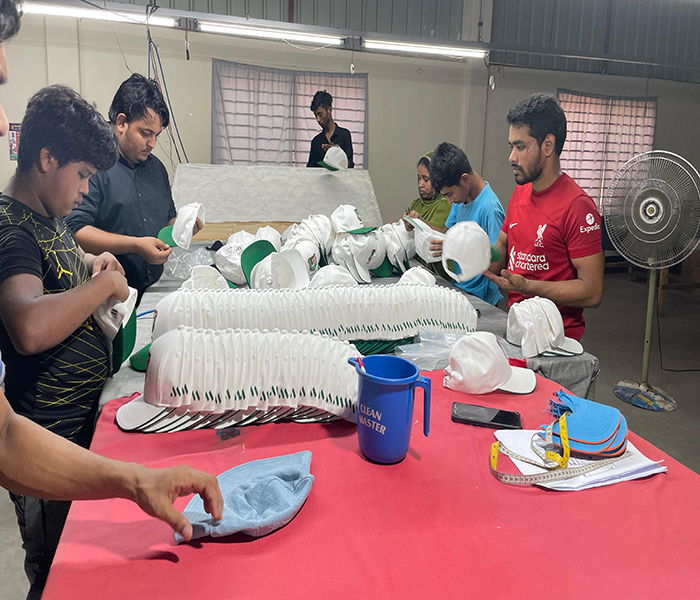
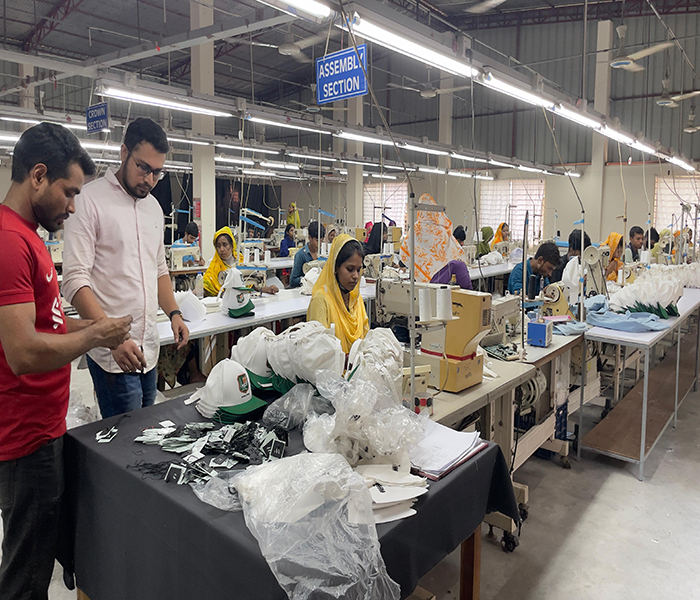
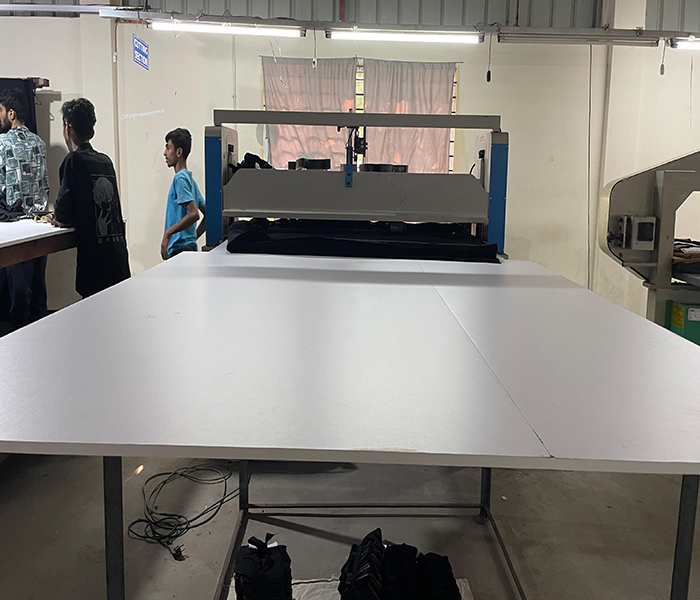
Company factory images from the media library
The following photographs are already used in the company’s About page and media library. They introduce the production floor, assembly section and cutting workspace. For a sourcing review, ask for current information about the proposed order and discuss how a visit or inspection can be arranged.
Related cap and hat products with product-page links
Compare the company’s product examples below and follow each link for additional images and style information. These examples are a visual starting point for discussion. Confirm the construction, material, decoration and commercial scope for your own design before treating a catalogue product as an approved order reference.
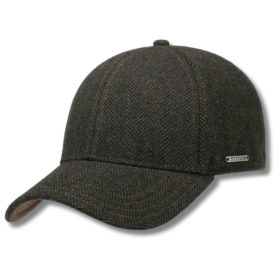
Baseball caps
Explore crown shapes, panel constructions and adjustable closures for branded retail, event and uniform projects. Compare the catalogue examples, then request a sample with your approved fabric and logo.
Explore baseball caps →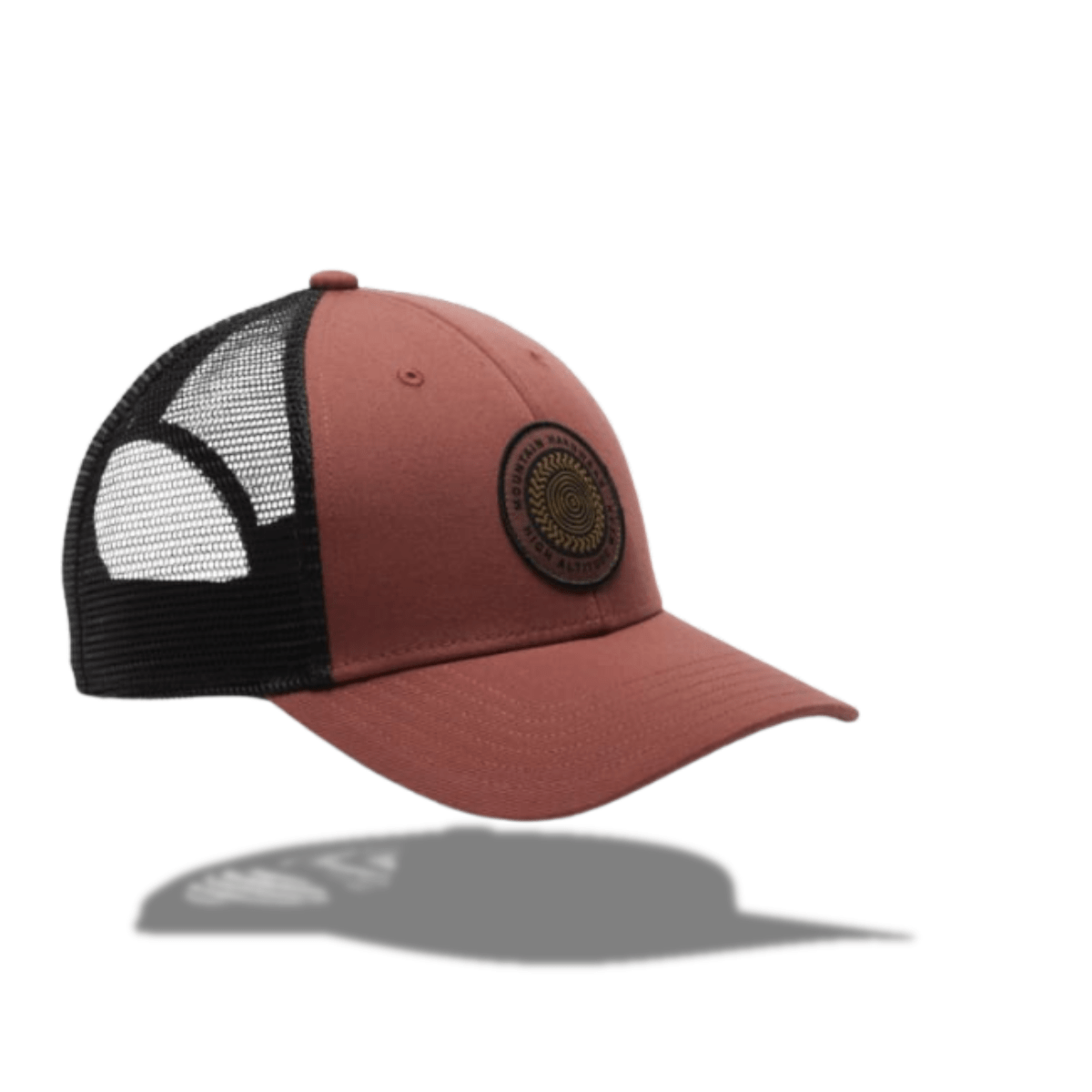
Trucker hats
Review the mesh-back silhouette and front decoration area. Confirm the mesh, crown support and closure against the intended wearer and branding brief before selecting a production reference.
Explore trucker hats →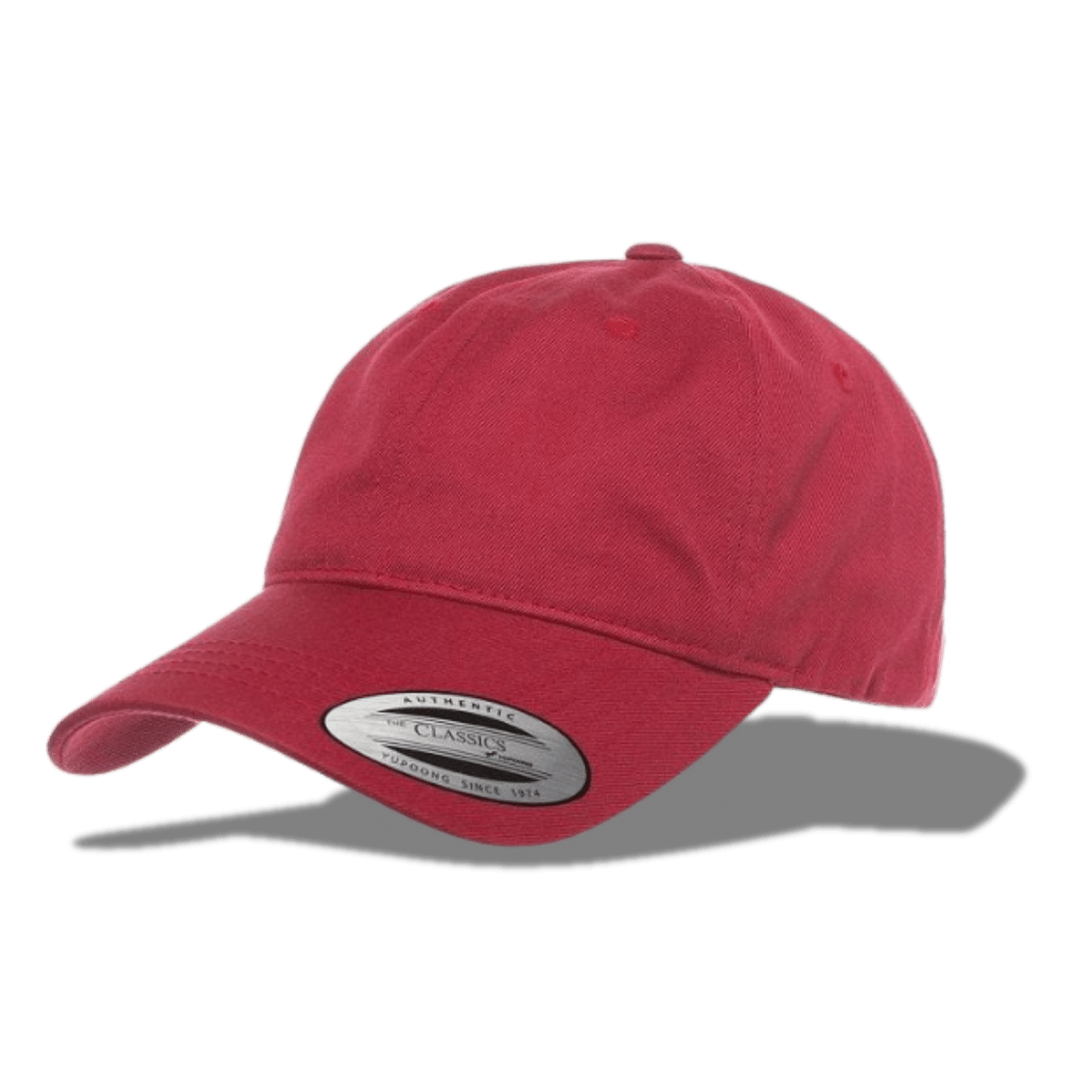
Dad hats
Explore a relaxed cap style with a softer visual character. Review crown depth, material feel and decoration placement on the actual sample rather than relying on the style name alone.
Explore dad hats →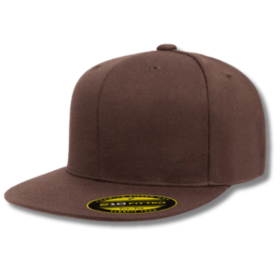
Snapback caps
Compare adjustable snap closures with the intended crown and brim design. Specify closure appearance, fit and branding so that the finished cap follows one clear approved reference.
Explore snapback caps →
Bucket hats
Explore bucket hat shapes and brim proportions for a different headwear silhouette. Confirm the body, brim, size requirements and branding placement during sampling for your intended collection.
Explore bucket hats →Company’s existing article and product information
The company’s earlier article is retained below as part of its product and service presentation. Read broad positioning terms alongside the practical checks in this guide. They are company descriptions, rather than independently verified rankings or guarantees for a particular order. Current quantities, prices, documentation and delivery commitments should be confirmed directly.
Are you searching for the best cap and hat manufacturer in Bangladesh? Look no further than Jalal Hats & Apparels Ltd! Known for our high-quality, custom headwear and bags, we’re the go-to Bangladesh hat manufacturer for businesses of all sizes. With a diverse selection of products that includes everything from promotional caps to premium hats and eco-friendly tote bags, we bring your vision to life.
Why Choose Jalal Hats & Apparels Ltd – Leading Cap House Dhaka

As a professional cap and hat manufacturer in Bangladesh, we offer an impressive range of headwear and bags. Our products include:
- Baseball caps
- Trucker hats
- Snapback caps
- Visor caps
- Ivy caps
- Dad hats
- Bucket hats
- Boater hats
- Organic jute caps and eco-friendly tote bags
Each item is crafted with meticulous attention to detail, making us a top choice among cap factories in Bangladesh. We ensure every product combines durability, comfort, and style, suitable for brands looking for anything from classic designs to modern, trendy styles.
The Jalal Hats & Apparels Difference – Quality, Customization & Sustainability
What sets us apart as a top cap and hat manufacturer in Bangladesh? Our dedication to quality, customization, and sustainability:
- Exceptional Quality: We use only premium materials and enforce strict quality control standards, ensuring that each item meets the highest expectations.
- Custom Solutions: As a leading Bangladesh cap manufacturer, we specialize in custom-made solutions tailored to our clients’ specifications. Whether you need embroidered logos, unique color schemes, or specific fabric types, we make it happen.
- Eco-Friendly Focus: Committed to sustainable practices, we use eco-friendly materials and methods to reduce our environmental footprint. Our organic caps and tote bags are both stylish and responsible.
Reliable Cap Factory Bangladesh with a Focus on Customer Satisfaction
We understand that building a successful brand requires reliable support. As a trusted cap and hat manufacturer in Bangladesh, we provide outstanding customer service throughout the entire process. From initial design concepts to final delivery, our team collaborates closely with each client to bring their vision to life. Our commitment to quality, on-time delivery, and competitive pricing has earned us the trust of top global brands.
Partner with Jalal Hats & Apparels Ltd Today – The Best Cap & Hat Manufacturer in Bangladesh
Looking for a professional cap & hat manufacturer that combines style, quality, and reliability? Jalal Hats & Apparels Ltd is your ideal choice. Contact us today to learn how we can help your business stand out with our custom headwear solutions.
Frequently asked questions
What is the difference between a prototype and a production approval sample?
A prototype may demonstrate shape or a design idea while using substitute components. A production approval reference should clearly identify the accepted construction, material, decoration and other relevant details. Agree the purpose of each sample, label its version and record any remaining differences before authorising bulk work. Do not assume that an early attractive prototype confirms every production component.
Can one artwork file be used on every cap style?
The original brand artwork can remain the starting point, but size, placement and decoration method may need adjustment for different constructions. A curved baseball cap front and a bucket hat present different surfaces. Ask for a style-specific decoration proposal and approve the actual sample. Record each accepted placement so that the manufacturer does not have to infer it.
What information should I send with a custom cap enquiry?
Send the style or reference product, intended quantity, colour allocation, artwork, material preferences and packaging requirements. Explain the destination and the date the goods are needed. Mark any undecided details clearly. This helps the team ask useful questions and prepare a quotation based on a shared specification rather than guessing what custom cap means for your organisation.
Can I customise the logo, colour and closure?
Discuss the proposed customisation with the team using actual artwork and a product brief. Logo size, placement, fabric, colour and closure choices can influence construction, sampling and quotation. Feasibility should be confirmed for your design and quantity. Ask for a sample that shows the important combination of features, then retain a documented approval before bulk production begins.
What is the minimum order quantity?
Request a project-specific minimum order from Jalal Hats & Apparels Ltd. It can depend on the style, fabric, colour mix, decoration and component sourcing. This article does not publish an unverified universal minimum. Provide the quantity you intend to purchase and ask which options are feasible. A clearly defined proposal is more useful than assuming that every style follows the same order requirement.
How much does a custom cap cost?
The price should be quoted against a specification. Material, construction, decoration locations, labels, packaging and quantity can affect the scope. Ask which development, courier, testing or shipping costs are separate and confirm the currency and quotation validity. Compare equivalent products and calculate your purchasing costs before deciding. This guide does not present illustrative numbers as a real company quotation.
How long will sampling and production take?
Ask for a schedule based on the current product brief, material availability and production plan. Separate sampling, buyer review, bulk production, inspection and shipment. Confirm which approvals are needed before the next stage begins. The schedule should state its assumptions and responsibilities. No fixed lead time in this guide should be interpreted as a promise for an order that has not yet been specified.
How should I approve a sample?
Review the sample against the specification and record its version. Check the relevant shape, fit, dimensions, fabric, colour, decoration and packaging. Consolidate feedback from your team into one written response. State whether the sample is approved, approved with identified changes or requires revision. Confirm which reference will govern production and whether any substitute component still needs a further approval.
How can I check certification or audit claims?
Request documents relevant to the company, facility and proposed product. Review names, dates, scope and the status of any required corrective actions. Sedex membership and SMETA audits are not certification. For an OEKO-TEX claim, request the relevant number and use the official Label Check. A website logo introduces a credential but does not replace the documents needed for your purchasing review.
Are the product and factory pictures from the company?
The product and factory images added to this guide are taken from the site’s existing media library and product or company pages. They are labelled according to that context. A photograph is useful for understanding a style or workspace, but it does not independently prove present capacity or future order performance. Request current information and a project-specific sample where those questions affect your decision.
Can overseas buyers work with the company remotely?
Overseas buyers can discuss their project through the company’s published contact channels and ask how sampling and order coordination will be handled. Agree document versions, approval responsibilities and shipping arrangements. Physical sample review is useful where fit, feel and shape matter. Remote communication should create a traceable approval record instead of relying only on informal messages or photographs without a specification.
How do I prepare for a repeat order?
Retain the approved specification, artwork files, sample record, material references and packing instructions. Confirm whether components remain available and whether any substitution needs approval. Review previous receiving or customer feedback before issuing the next purchase order. State the current quantity and colour allocation explicitly. Repeat supply should follow an identifiable reference version rather than assuming that every detail from the earlier order remains unchanged.
References and next steps
Use primary references to understand the credential or delivery terminology that applies to your purchasing review. They describe their own programmes and rules; they do not certify or endorse this article’s manufacturer selection.
- Sedex: membership, SMETA and certification terminology
- OEKO-TEX official Label Check
- ICC: official Incoterms 2020 information
For company-specific information, review the credential portfolio, CSR information and product range. You can also explore the headwear journal for related sourcing and manufacturing guides.
Ready to discuss a project? Send your specification, artwork, quantity allocation and delivery requirements through the Contact page. Ask the team to identify missing information and explain the next development step. A clear enquiry helps turn your research into a usable sample and quotation plan.