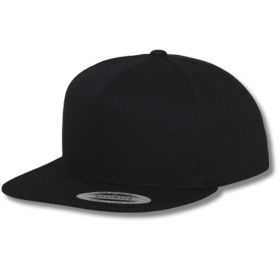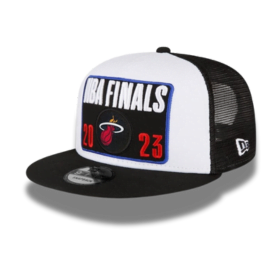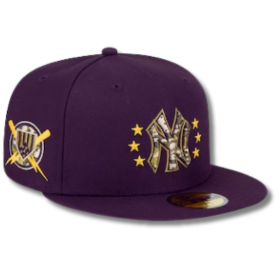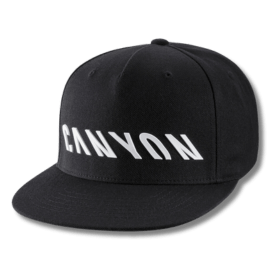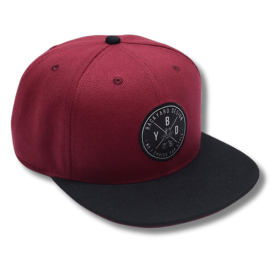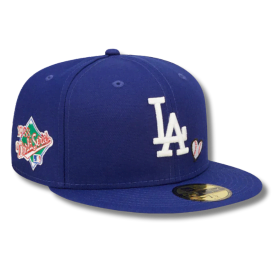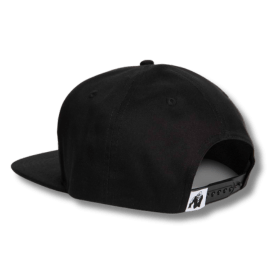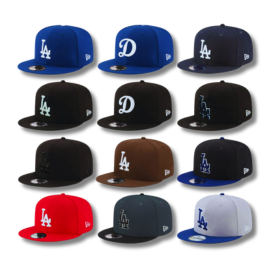


Finding a Snapback Cap Manufacturer in Bangladesh involves more than choosing an adjustable cap from a photograph. This guide helps brands, retailers, promotional distributors and sourcing teams specify the crown, flat brim, snap adjustment, materials and decoration that define their intended product. Use it to prepare an enquiry, assess samples and compare manufacturing proposals with clear evidence.
Jalal Hats & Apparels Ltd. was established in 2017 and manufactures caps, hats and tote bags in Bangladesh. The product references above introduce our snapback collection. Confirm materials, customization, order quantities, documentation and delivery arrangements with our team for your specific project. Photographs illustrate designs; an approved sample and written specification establish the product to be supplied.
Choosing a Snapback Cap Manufacturer in Bangladesh starts with a product brief that connects the closure, crown, brim and branding. A snapback is recognised by its adjustable snap arrangement, but that feature alone does not describe every part of the cap. The collection on this page presents a flat-brim style with several design options. Identify the shape and finish you want rather than requesting a standard snapback without further detail. Use front, side and rear references to communicate the target. Sampling should turn that direction into a specification the purchasing and production teams can share.
A streetwear collection, team accessory, employee uniform and promotional campaign may use a similar silhouette while needing different presentation. Explain who will wear the cap and how it will be sold or distributed. If it belongs to a wider clothing range, show the existing colors, branding and styling. State which decisions are essential and which are still open to advice. This context helps the supplier propose options that address a real use case. It also gives your team a practical basis for judging the sample instead of approving the product only because one photograph looks appealing.
The snapback closure can appear on different cap constructions, so compare the actual product rather than assuming a category name guarantees one crown shape. A mesh-backed option and a fabric-backed cap can share an adjustable closure while looking different. Review our trucker hat collection and baseball cap collection when considering alternatives. If your range needs a softer everyday profile, our dad hat page offers another reference. Choose the construction that supports the brief, then confirm the materials, fit and decoration individually.
A reference image may show a desirable front shape alongside artwork unrelated to your project. Mark the details you want to reproduce and identify what is only inspiration. Include side and rear views to clarify the brim and snap closure. Photographs cannot fully show fabric handling or crown stiffness, so reserve those decisions for swatches and sample assessment. Provide your own authorised artwork rather than assuming a pictured logo can be copied. An organised reference brief helps the manufacturer understand how several design preferences should become one product instead of leaving that combination open to interpretation.
For a collection containing several colors or graphics, assign a name or code to each version. Record the quantity, material and artwork associated with every variant. Identify the construction details that should remain common across the range, such as crown pattern, visor proportions or closure finish. Use the same identifiers in sample comments, quotations and packing instructions. This makes it easier to recognise a planned difference and question an unintended substitution. Clear variant records are especially useful when design, purchasing and warehouse teams need to understand the same order without reconstructing decisions from separate messages.
The crown gives a snapback much of its visual character and determines how the branding surface appears while worn. Share the height and front profile you want through reference views. Ask the supplier to explain the proposed construction and assess the physical sample on the intended wearer. A cap that looks balanced in an isolated photograph can present differently on a head. Record the approved outline and relevant dimensions rather than using a broad description such as regular shape. This gives future sample revisions a defined target and connects fit decisions with the overall retail appearance.
Panel seams influence the front surface available for logos and the balance of the crown. Provide the intended graphic dimensions and ask the team to review how it relates to the proposed seam layout. Fine lettering or a detailed motif may need particular attention where the surface changes. Approve the crown construction and decoration together, because a successful flat mock-up does not establish the finished cap’s appearance. If several designs belong to one range, identify which pattern should stay consistent. Written construction references make the product easier to reproduce and compare during later orders.
A more defined front can support a particular streetwear silhouette, while another construction may create a softer profile. Tell the team what you expect the sample to feel and look like rather than relying only on the word structured. Examine the front while the cap is handled and worn. Ask which materials and assembly details are proposed to support the target. Review the interaction with embroidery or other decoration. The final approval should connect shape, fabric and branding so one component is not accepted without considering how it affects the complete product.
The flat brim shown in the original product description contributes to the cap’s modern appearance. Confirm the intended proportions, shape and presentation instead of assuming that every flat brim is identical. Review the front edge, side view and relationship with the crown on the sample. If you are matching an existing cap, provide the reference and discuss which dimensions need to align. Ask how the brim will be packed to preserve the approved appearance. A clear specification describes the entire component, allowing the supplier to understand the design beyond a short request for a flat visor.
Visible stitch arrangement, thread shade and the underside of the brim can affect the product’s character. Identify any contrast detail that matters to the design and inspect it in the sample. Approve the cap from below and from the side as well as from the front. A color combination can appear different once materials are assembled, particularly where the body and underside use different surfaces. Ask the team to explain proposed alternatives before accepting them. Record these details with the visor specification so production checks consider the approved presentation rather than only the top surface.
The snap closure is a defining part of this product and deserves a practical review. Examine how it engages, how the adjustment works and how its finish fits the rear design. Ask which component is proposed and confirm its color against the other materials. Check the rear opening and the connection between the closure and surrounding panels. Do not treat visually similar components as interchangeable without approval. A replacement can affect operation or appearance. The order record should identify the accepted closure and the conditions under which any proposed change needs to be reviewed.
An adjustable closure does not establish a universal fit for every wearer. Ask the supplier to identify the measurements used to review the sample and the method for taking them. Assess the cap with the intended customer group where practical. Record the relevant fit reference and acceptable variation before production. If different size arrangements are needed, discuss how they will be identified and packed. This creates a more useful standard than a broad statement that the cap fits everyone. The approval should connect the crown dimensions with the actual adjustment range you have assessed.
The rear of a snapback includes the opening, closure and panel junctions, which can influence additional branding. Show any rear logo position on a drawing and ask the team to review what is practical. Consider whether the artwork remains clear around the opening and how it relates to the front mark. Inspect the assembled cap from behind while worn. Confirm the placement and finish in the sample rather than approving an isolated graphic. A complete design brief gives the rear the same attention as the front, helping both sides contribute to one consistent brand appearance.
Use these design checks when preparing your brief. Confirm each option for the actual cap being ordered.
| Component | Design purpose | Sample check |
|---|---|---|
| Crown | Defined front profile | Shape, support and seams |
| Flat brim | Side profile | Proportions, stitching and underside |
| Snap closure | Rear adjustment | Operation, fit reference and finish |
| Fabric | Surface and handling | Swatch, composition and assembly |
| Branding | Brand identity | Artwork clarity and position |
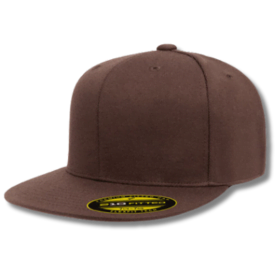
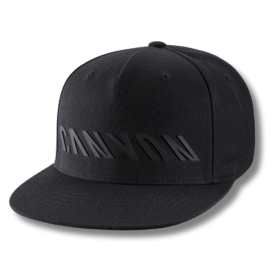
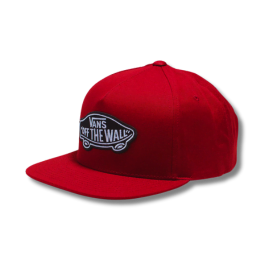
Fabric affects the cap’s surface, handling and relationship with the crown construction. Ask for the proposed composition and construction instead of treating a broad material name as a complete specification. Compare swatches when texture or color matters. Explain whether the collection needs a smooth branding surface, a particular casual finish or another defined look. Review the material as part of the assembled cap, because its interaction with seams, decoration and the brim influences the result. Confirm availability and quantity conditions before planning a range around a fabric seen only in a photograph.
Screen settings and lighting can change the apparent shade of product images. Use an agreed physical swatch or recognised color reference where matching is important. Review body fabric, visor, underside, thread, closure and decoration together. State whether you need a close match to an existing garment or a deliberate contrast. A shade number communicates the target but does not replace approval of the actual materials. Keep the accepted combination in the order file. It becomes a shared reference for later purchases instead of requiring someone to remember which screen image represented the intended color.
Provide logo files you are authorised to use, together with colors, target dimensions and placement references. Identify small details that must remain readable. Ask the supplier which format is appropriate for the proposed method, since a screenshot may not show the graphic clearly enough. Make the location relative to seams and the visor explicit. For several styles, connect each artwork file with the correct variant. Keep the latest approved files together so sampling comments and production instructions refer to one current design rather than different versions scattered across separate conversations.
Embroidery should be reviewed on the assembled cap, where fabric, crown shape and supporting construction affect the appearance. Check letter clarity, edge definition, spacing and alignment. Ask whether any detail needs adjustment at the proposed size and approve the revision before production. Inspect the inside backing where it affects finishing. A digital mock-up communicates the concept, while the sample shows how the logo relates to the actual product. Retain the approved reference with the specification so later inspection compares the decoration with the same dimensions, placement and construction.
If your brief calls for a raised embroidery effect, describe the intended appearance and ask the team which options are available for the artwork and material. Do not assume that every logo or lettering style can create the same effect. Review the physical sample for shape, edge clarity and its interaction with the surrounding front. Ask about practical limitations before final approval. Confirm the agreed technique in the quotation and product record. This page does not promise that every gallery cap supports every decoration option; the proposed method should be assessed for your specific design.
Printing or a patch may suit some branding concepts, but each option requires a review of the chosen material and construction. Explain the graphic, intended finish and position, then ask the team to identify any limitations. Inspect colors, edges and attachment as applicable on the sample. Review the interior where a component affects the cap’s finish. A Snapback Cap Manufacturer in Bangladesh should receive enough information to quote the decoration actually agreed for the project. If technique or placement changes, update the quotation and approval brief together rather than treating the revision as an informal detail.
Interior details can include sweatband construction, seam finishes, labels and decoration backing. Ask what is proposed and inspect inside views alongside the exterior sample. For private label development, supply text, artwork, position and attachment expectations. Check spelling and color through approval. Confirm which components are included and which need separate development. Your business should identify any destination-specific labeling requirement with suitable guidance. A branded exterior alone is not a complete retail specification. The accepted record should connect the inside and outside with the packing presentation the customer will receive.
A first sample should answer the open questions in your brief. Explain whether the priority is crown profile, closure, brim, fabric or branding. Ask the team to identify temporary components and differences from the proposed bulk specification. Review the cap against written requirements and collect feedback in one organised document. Include photographs showing clear reference points. Specific comments help the supplier understand the required revision more accurately than a general request for better quality. They also distinguish an accepted feature from another detail that still needs discussion before the product can be approved.
Review the front, side, rear and interior, then assess the cap while worn and handled. Check whether the crown and visor work together and whether the snap closure supports the intended fit. Compare the product with the brief instead of evaluating the logo alone. If several people review the sample, consolidate their comments and separate mandatory requirements from styling preferences. Conflicting instructions can make revision difficult. A complete assessment produces clearer approval conditions and allows the manufacturer to respond to the design as one product rather than a series of disconnected component decisions.
Confirm materials, colors, crown, brim, closure, decoration, labels and packing as applicable to the order. Identify the sample version and approved artwork files. If a point remains unresolved, state it explicitly and agree how it will be confirmed. Retain a reference for later checks. A message accepting the logo should not be interpreted as approval of all construction and commercial details. Written product approval connects the sample with the quotation, allowing the team to understand exactly which version should be produced and which changes still require an additional decision from the buyer.
Useful review points include seam appearance, loose threads, marks, decoration placement, label attachment and closure operation. Link the checklist to the approved reference and discuss inspection timing before dispatch. Agree how differences will be evaluated. If an independent inspection is part of your purchasing policy, explain its scope early enough to plan it. Generic quality language does not identify the particular details your customers will judge. The purpose is to establish understandable acceptance conditions in advance, so the finished order can be reviewed against requirements both teams already know.
A cap’s look does not prove a measurable performance feature or material claim. Ask for relevant evidence before repeating statements about protection, recycled content or another documented property in retail marketing. Review the scope and the exact product or component covered by the record. A general website description should not automatically be applied to every gallery style. Visual inspection helps assess appearance and assembly, while appropriate documents answer other questions. Keeping these claims connected to evidence makes your own product description more accurate and avoids promising a feature that has not been confirmed for the selected cap.
A different fabric, closure, backing or decoration method can change the finished snapback. Ask the supplier to explain a proposed substitution before it is introduced. Review its effect on appearance, function, pricing and schedule, then update the specification if accepted. Keep older versions clearly separated. For a repeat purchase, confirm current component availability and conditions again. The approved sample remains useful, but it should be connected to the new order’s requirements. Clear revision records allow both parties to preserve the intended design while addressing changes through a documented discussion.
Use this five-stage roadmap to organise approvals with your supplier.
Send references, materials, artwork, quantities by variant, packaging and destination. Identify any special fit, label or documentation requirement that affects the proposal. Ask the team to explain assumptions where information is incomplete. A useful quotation separates included components from optional additions. When comparing proposals, check whether the products and services are equivalent before comparing price. A lower unit figure can reflect a different construction or packing arrangement. The commercial offer should be understandable and connected to the sample you intend to approve, rather than remain a number without a defined cap behind it.
Quantity conditions can depend on material sourcing, colors, decoration and style variation. Provide the full assortment and ask what applies to your project. Clarify whether minimums are calculated per color, per style or another agreed basis. If this is a first range, explain that context and discuss available options. No universal minimum is promised here. Written confirmation helps your purchasing plan reflect the actual products and prevents a mixed collection from being quoted as though every cap used the same fabric, logo and commercial conditions.
Separate timing into specification review, material confirmation, sampling, buyer approval, production and dispatch. Explain the required arrival date and ask the team to assess the actual brief. Buyer feedback and artwork revisions can influence the sequence, so consolidate decisions promptly. If the construction changes, request a reviewed schedule. Manufacturing completion and arrival at the destination are different milestones. A useful plan identifies the conditions behind the estimate and the decisions required from each party, giving both teams a clearer basis for managing the stages within their responsibility.
Packing should protect the approved front profile and visor presentation while making the assortment easy to handle. Discuss nesting, inner packing and carton arrangements with the supplier. Review how the selected method interacts with decoration and any retail components. If the cap needs a particular appearance on arrival, include that requirement in the sample and order discussion. Tell the team whether the products go into storage, direct retail distribution or an event package. Packing forms part of the delivered product experience and should support the approved design instead of being treated as a separate decision at dispatch.
Agree style names, color descriptions and quantity breakdown before packing instructions are finalised. Use the same identifiers in quotations, approvals and carton information. If different graphics belong to similar-colored caps, make the distinction clear enough for the receiving team to recognise. Include individual labels or retail components where they are part of the order. Clear identification supports comparison between the received goods and purchasing records. It also helps prevent a correct product being allocated to the wrong campaign or retail variant because the assortment was described inconsistently across different documents.
Ask which transport arrangements, costs and documents are included in the quotation. Confirm the responsibilities accepted by each party and use suitable logistics advice for destination-specific requirements. Do not treat a production estimate as an unconditional arrival guarantee. If the destination or packing changes, review the dispatch plan again. A clear order confirmation should connect the cap specification, quantities and packing with the agreed delivery arrangements. This guide provides purchasing context rather than customs or legal advice for an individual shipment, so confirm the requirements that apply to your receiving market through appropriate professional support.
A useful first message includes reference images, authorised artwork, materials, quantities, variant breakdown, destination and expected schedule. Add specific fit, label, packing or documentation needs. If a decision remains open, explain where you want advice. Use our contact page to discuss your project with Jalal Hats & Apparels Ltd. Keep the same brief when comparing responses and update it after accepted revisions. One organised record makes the cap easier to quote and develop than a sequence of unrelated messages that leaves the supplier uncertain about your latest requirement.
Jalal Hats & Apparels Ltd. was established in 2017 and manufactures caps, hats and tote bags in Bangladesh. The website provides company background, leadership information, galleries and contact channels for buyers reviewing the business. Read our company and manufacturing information and company profile as part of your assessment. Ask questions about the details relevant to procurement. Published information begins the conversation, while the sourcing decision should also consider the sample, technical communication and commercial conditions you agree for the actual project.
Our credentials page provides a starting point for documentation discussions. Request current evidence relevant to your order and review the named entity, dates and applicable scope. Industry membership and product testing address different questions. For broader context, the Bangladesh Garment Manufacturers and Exporters Association describes its role in the garment industry. Connect each document to the claim your business needs to evaluate. A displayed logo cannot replace the actual record or establish identical certification and performance features across every snapback pictured in the gallery.
If your business needs workplace, material or traceability evidence, identify the requirement before confirming the purchase. Our CSR page provides published information for that discussion. Ask the team what supporting records are available and explain any additional assessment your customer expects. Keep general company statements separate from product-specific claims that require documentation. Clear requirements let the supplier describe what can be confirmed and help the project schedule reflect the assessment work relevant to your procurement policy instead of introducing that work unexpectedly after sample approval.
When selecting a Snapback Cap Manufacturer in Bangladesh, consider whether responses make the proposed product easier to understand. Useful communication identifies construction options, artwork limitations, approval points and quotation assumptions. If a detail is unsuitable, ask for an alternative that supports the brief. Important revisions should be recorded and connected to the current specification. An open explanation of an unresolved point is more useful than a broad promise that ignores it. Clear communication helps purchasing, design and production teams work from the same understanding of the cap and the conditions under which it will be supplied.
The adjustable snap closure is a defining feature, but it does not describe every aspect of the cap. Crown construction, brim shape and materials can vary between designs. The original collection description on this page presents a flat-brim style. Review the actual sample to confirm the construction, fit and finish you want. Use the category name to begin the discussion, then record the product’s components in a written brief.
Prepare a clear specification and review the supplier’s company information, sample process and technical responses. Ask how the proposed construction and decoration support your design. Compare equivalent quotations and confirm included components and order conditions. An approved sample and documented revisions provide a practical basis for evaluation. The sourcing decision should connect evidence to your actual cap rather than depend only on a gallery photograph or a general quality promise.
Send artwork you are authorised to use, with preferred dimensions, colors and placement. Ask the team to assess the design for the selected fabric and crown. Examine a sample for clarity, alignment and the appearance of the surrounding front. Approve any artwork changes before production. If additional positions or labels are required, record them in the final brief so the quotation and approval cover the complete branded cap.
Discuss the proposed effect with the team and ask which options suit the actual artwork and material. Do not assume every graphic can reproduce the same raised appearance. Review a physical sample for shape and edge clarity, then confirm the agreed technique and dimensions. This page does not promise every decoration method for every style. The proposal should identify what can be developed for your particular cap and what needs adjustment before approval.
An adjustable closure should be assessed against the intended wearer group and an agreed fit reference. Ask which dimensions and measurement method the supplier will record for the sample and production. Review the cap while worn where practical. Do not treat general one-size language as a substitute for a documented fit range. Confirm any separate size requirements and how those variants will be labelled and packed for the order.
Contact our team for quantity conditions applicable to your specification. Materials, colors, graphics and style variation may affect the arrangement. Provide the complete assortment and ask whether minimums apply per style, per color or another agreed basis. No universal minimum is promised here. A written quotation should confirm the conditions before you plan purchasing, particularly when variants need different components, branding or retail presentation.
Request a project-specific schedule after the material, artwork and quantity requirements have been reviewed. Separate sample development, approval, production and dispatch. Explain the date when you need the caps at the destination and confirm the decisions expected from your team. Changes to construction or graphics may require timing to be reviewed. A manufacturing estimate should be considered with transport arrangements rather than interpreted as an unconditional arrival commitment for any project.
Use our contact page or email info@jalalhatsapparels.com with reference images, authorised artwork, materials, quantities, variant breakdown, destination and expected schedule. Add fit, label, packing or documentation requirements that influence the brief. If you need advice, identify the open decisions so the team can respond with focused questions. Keep the accepted information together and update it after sample revisions, allowing the quotation and order confirmation to describe the same snapback cap.
If you are looking for a Snapback Cap Manufacturer in Bangladesh, prepare your design references, authorised artwork, quantities and destination. Contact Jalal Hats & Apparels Ltd. to discuss materials, sampling, branding and the commercial requirements for your next snapback cap order.